What does Matthew 25:17 mean?
"And likewise he that had received two, he also gained other two." - Matthew 25:17
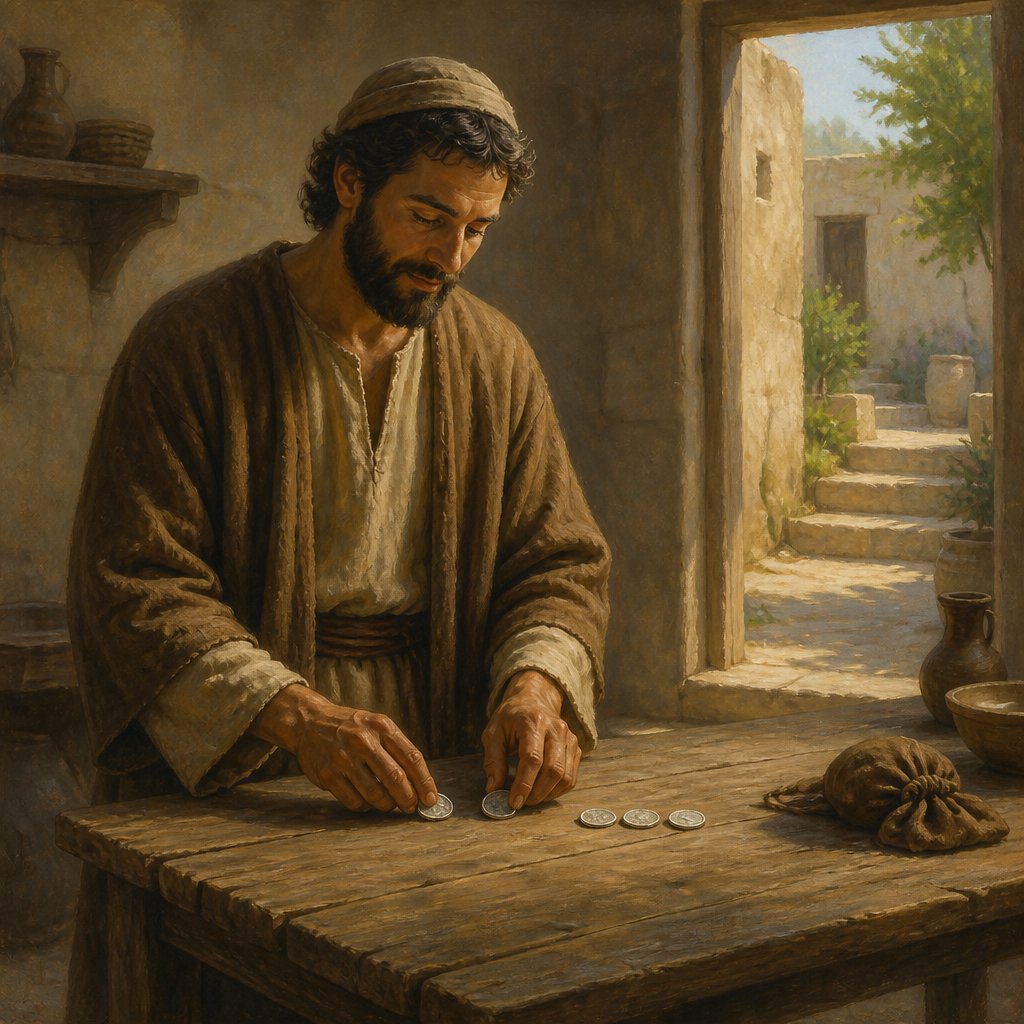
Matthew 25:17 in the King James Version of the Bible reads, "And likewise he that had received two, he also gained other two." This verse is part of the parable of the talents, which is a well-known and often-discussed passage in the Bible. The parable of the talents is found in Matthew 25:14-30 and is one of the most important and impactful teachings of Jesus Christ.
In the parable of the talents, a man, before going on a journey, entrusts his possessions to his servants. To one he gives five talents, to another two, and to another one, "to every man according to his several ability," as it says in verse 15. The man who received five talents immediately went and traded with them, and gained five more talents. Likewise, the man who received two talents also gained two more. However, the man who received one talent went and buried it in the ground. When the master returned, he settled accounts with his servants. The first two servants presented the talents they had gained, and the master commended them, saying, "Well done, good and faithful servant; thou hast been faithful over a few things, I will make thee ruler over many things: enter thou into the joy of thy lord" (Matthew 25:21). But the third servant, who had hidden his talent and had nothing to show for it, faced the master's wrath and was cast into outer darkness, where there was weeping and gnashing of teeth.
The parable of the talents has several important themes and teachings that have profound applications for our lives. One of the primary themes of this parable is stewardship and accountability. The master entrusted his possessions to his servants, and they were expected to use these resources wisely and to produce a return. This reflects the importance of using our God-given gifts and resources for the glory of God and for the benefit of others. We are all stewards of what God has given us, and we are called to use our talents, time, and resources in a way that honors God and furthers His kingdom.
Another theme of the parable of the talents is the concept of rewards and consequences. The faithful servants who used their talents wisely were rewarded and praised by their master. On the other hand, the servant who buried his talent faced harsh consequences for his negligence. This serves as a reminder that our actions have consequences, and we will be held accountable for how we have used the gifts and opportunities that God has given us. It also points to the importance of faithfulness and diligence in serving the Lord.
The parable of the talents also highlights the principle of multiplication. The servant who had received five talents gained five more, and the servant with two talents gained two more. This illustrates the potential for exponential growth when we use our talents and resources for God's purposes. It reminds us that when we are faithful with what we have been given, God can multiply our efforts and bring about abundance in our lives and in the lives of others.
The parable of the talents also has a broader context within the teachings of Jesus and the message of the Gospel. It emphasizes the importance of readiness and preparation for the coming of the Lord. The master's return represents the second coming of Christ, and the parable serves as a warning to be prepared and faithful in the expectation of Christ's return. It also speaks to the responsibility of using our gifts and resources in the service of God's kingdom and the urgency of making the most of the time we have been given.
In terms of symbolism, the talents in the parable can be interpreted as representing the various gifts and abilities that God has given to each of us. These can be spiritual gifts, natural talents, resources, or opportunities. The different amounts of talents given to the servants reflect the diversity of gifts and callings that God has distributed among His people. The master in the parable represents God, and the servants represent believers who are called to be faithful stewards of what God has entrusted to them.
In conclusion, the parable of the talents, including Matthew 25:17, contains profound truths and timeless lessons that have significant implications for our lives as Christians. It challenges us to consider how we are using our God-given gifts and resources, and it encourages us to be faithful, diligent, and prepared for the return of our Lord. As we meditate on this parable and apply its teachings to our lives, may we be inspired to use our talents for the glory of God, to be good stewards of what God has given us, and to eagerly await the day when we will hear our Master say, "Well done, good and faithful servant."
Have questions about Matthew 25:17?
Dive deeper into this scripture with Bible Chat — an AI-powered tool for exploring God's Word through conversation. Ask questions, get context, and grow in your understanding of the Bible.
Get Our Apps


Matthew 25:17 Artwork

Matthew 25:17 - "And likewise he that had received two, he also gained other two."
"And likewise he that had received two, he also gained other two." - Matthew 25:17

Matthew 25:25

Matthew 17:25 - "He saith, Yes. And when he was come into the house, Jesus prevented him, saying, What thinkest thou, Simon? of whom do the kings of the earth take custom or tribute? of their own children, or of strangers?"

Matthew 25: 14-25

Matthew 26:25

Matthew 25:23

Matthew 25:21

Matthew 16:25

matthew 25:31

Matthew 25:21

Matthew 17:17-18

Matthew 17:17-18

Matthew 25:23

Matthew 21:25

Matthew 25:25 - "And I was afraid, and went and hid thy talent in the earth: lo, there thou hast that is thine."

Genesis 25-17

Genesis 17-25

Matthew 25:11-13

Matthew 6:25 – 34

Matthew 25:4 - "But the wise took oil in their vessels with their lamps."

Matthew 17:20

Matthew 6:17

Matthew 17:20

Joshua 6:17-25

Numbers 25:17 - "Vex the Midianites, and smite them:"

Matthew 25:5 - "While the bridegroom tarried, they all slumbered and slept."

Matthew 24:25 - "Behold, I have told you before."

Matthew 25:7 - "Then all those virgins arose, and trimmed their lamps."

Matthew 25:3 - "They that were foolish took their lamps, and took no oil with them:"