What does Matthew 24:30 mean?
"And then shall appear the sign of the Son of man in heaven: and then shall all the tribes of the earth mourn, and they shall see the Son of man coming in the clouds of heaven with power and great glory." - Matthew 24:30
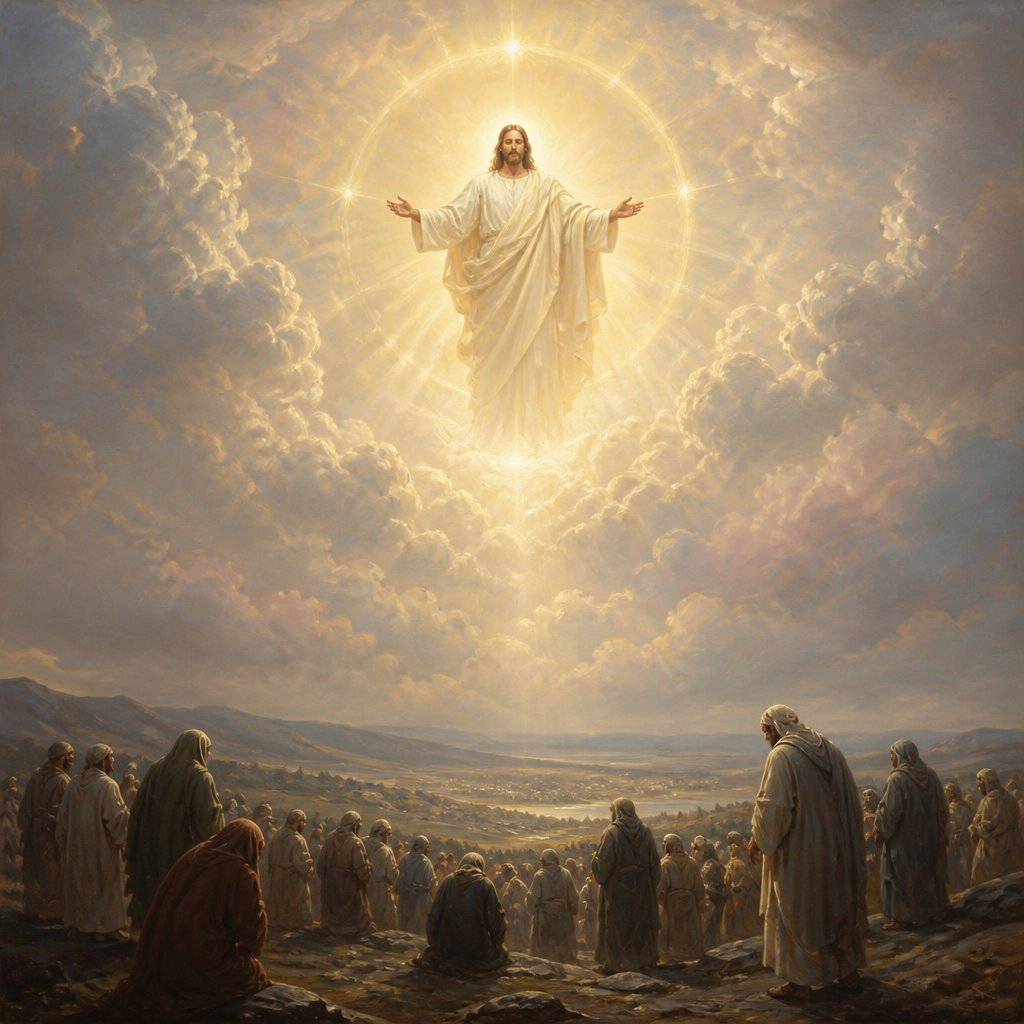
The Bible verse Matthew 24:30 in the King James Version (KJV) states, "And then shall appear the sign of the Son of man in heaven: and then shall all the tribes of the earth mourn, and they shall see the Son of man coming in the clouds of heaven with power and great glory." This verse is part of a larger discourse in the book of Matthew often referred to as the "Olivet Discourse." This discourse takes place on the Mount of Olives and is a discussion between Jesus and his disciples about the signs of the end times and the second coming of Christ.
The verse carries significant weight in terms of its eschatological implications, and it is filled with rich symbolism and meaning. To truly understand the depth of this verse, it is essential to consider its broader context within the chapter and the themes that run throughout the passage.
In the preceding verses, Jesus has been describing the signs that will precede his second coming. He speaks of wars, famines, earthquakes, and persecution. In verse 29, he describes the cosmic signs that will accompany his return, stating, "Immediately after the tribulation of those days shall the sun be darkened, and the moon shall not give her light, and the stars shall fall from heaven, and the powers of the heavens shall be shaken." It is in this context that the verse in question, Matthew 24:30, is situated.
The verse starts with "And then," indicating a sequence of events that will lead up to this moment. It speaks of the "sign of the Son of man in heaven," which suggests a visual manifestation or an unmistakable signal of Christ's imminent return. This sign will be seen by all the people of the earth, and it will lead to a universal mourning. The imagery of mourning suggests a recognition of the magnitude and significance of this event. The people of the earth will be confronted with the reality of Christ's return, and it will evoke a deep and profound grief among them.
The verse continues by describing the Son of man coming in the clouds of heaven with power and great glory. This imagery is powerful and evocative, drawing on the language of theophany and divine majesty. The clouds are a recurring motif in the Bible, often symbolizing the presence and glory of God. In this context, they signify the divine nature of Christ's return and his authority and sovereignty over all creation.
The themes addressed in this verse are central to Christian eschatology and provide believers with hope and assurance. The return of Christ is a fundamental tenet of the Christian faith, and it is a source of comfort and expectancy for believers. It represents the fulfillment of God's promises and the culmination of his redemptive plan for humanity.
The verse also carries a sense of warning and urgency. The signs of the end times are described as tumultuous and terrifying, and they serve as a call to readiness and preparation. As Jesus states in verse 42, "Watch therefore: for ye know not what hour your Lord doth come." This exhortation to watch and be vigilant is a reminder of the uncertainty of the timing of Christ's return and the need for constant spiritual readiness.
In terms of symbolism, the imagery of Christ coming in the clouds with power and great glory is laden with significance. The clouds represent the divine presence and the glory of God, harkening back to the Old Testament depictions of God's manifestation. The power and great glory with which Christ will come signify his sovereignty and authority as the King of kings and Lord of lords.
In conclusion, Matthew 24:30 is a verse of profound eschatological significance, conveying the imminent return of Christ in a blaze of divine glory. It speaks to the universal recognition of Christ's sovereignty and the fulfillment of God's redemptive plan. It also serves as a call to readiness and preparation for believers, urging them to watch and be vigilant. The verse is rich in symbolism and imagery, offering a glimpse of the awe-inspiring nature of Christ's return and the ultimate triumph of God's kingdom.
Have questions about Matthew 24:30?
Dive deeper into this scripture with Bible Chat — an AI-powered tool for exploring God's Word through conversation. Ask questions, get context, and grow in your understanding of the Bible.
Get Our Apps


Matthew 24:30 Artwork

Matthew 24:30-31

Matthew 24:30-31

Matthew 24:30-31

Matthew 24:30-31

Matthew 24:30-31

Matthew 24:30-31

Matthew 24:30-31

Matthew 24:30-31

Matthew 24:30-31

Matthew 24:30-31

"And then shall appear the sign of the Son of man in heaven: and then shall all the tribes of the earth mourn, and they shall see the Son of man coming in the clouds of heaven with power and great glory." - Matthew 24:30

Matthew 24:30 - "And then shall appear the sign of the Son of man in heaven: and then shall all the tribes of the earth mourn, and they shall see the Son of man coming in the clouds of heaven with power and great glory."
"And then shall appear the sign of the Son of man in heaven: and then shall all the tribes of the earth mourn, and they shall see the Son of man coming in the clouds of heaven with power and great glory." - Matthew 24:30

Matthew24:29-30

Genesis 24-30

Matthew 6:30

Matthew 5:30

Matthew 5:30

Matthew 24:35

Matthew 24:35

Matthew 24:35

Matthew 24:35

Matthew 24:35

Matthew 24:35

Matthew 24:35

Matthew 24:35

Matthew 24:35

Matthew 24:35

Joshua 24:30 the location of mountains

Matthew 24:15