What does Matthew 23:5 mean?
"But all their works they do for to be seen of men: they make broad their phylacteries, and enlarge the borders of their garments," - Matthew 23:5
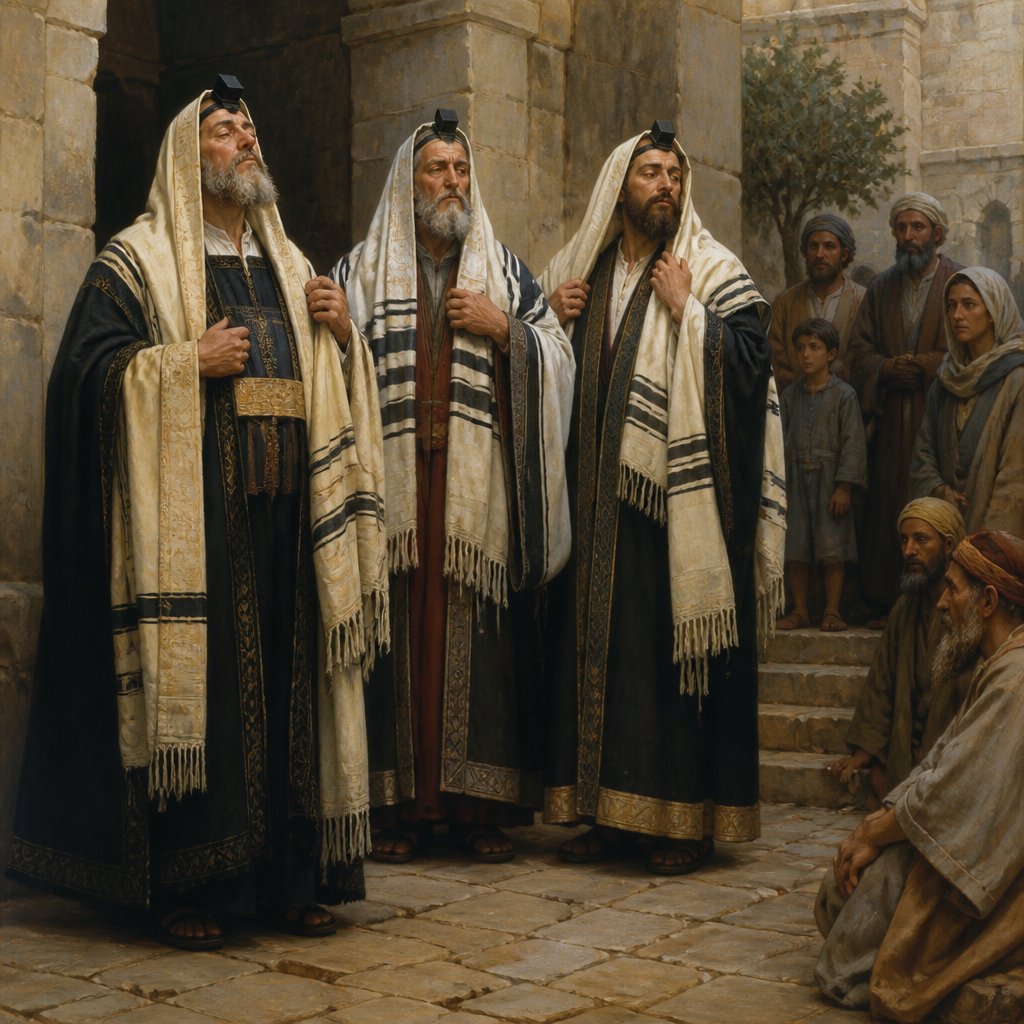
In Matthew 23:5, Jesus speaks to the scribes and Pharisees, saying, "But all their works they do for to be seen of men: they make broad their phylacteries, and enlarge the borders of their garments." This verse is part of a larger passage in which Jesus condemns the religious leaders of his time for their hypocritical and self-serving behavior.
To understand the deeper meaning and significance of this verse, it is important to examine the context in which it was spoken. In the preceding verses, Jesus issues a series of scathing rebukes to the scribes and Pharisees, condemning them for their pride, hypocrisy, and legalistic approach to religious observance. He accuses them of putting on a show of piety in order to gain honor and recognition from others, rather than seeking to genuinely serve God and his people.
The specific actions mentioned in verse 5 - the broadening of phylacteries and the enlargement of garment borders - were outward displays of religious devotion that the scribes and Pharisees engaged in to draw attention to themselves. Phylacteries were small boxes containing scripture passages, which were worn on the forehead and left arm during prayers as a symbol of devotion to God's word. Enlarging the borders of their garments was a way for the scribes and Pharisees to make themselves appear more pious and important.
This behavior reflects a broader theme in the teachings of Jesus, in which he consistently emphasizes the importance of humility, sincerity, and genuine love for God and others. Throughout the Gospels, Jesus repeatedly warns against the dangers of self-righteousness and the desire for human recognition and praise. In Matthew 6:1-6, for example, he instructs his followers to perform acts of righteousness in secret, rather than seeking the approval of others.
The broader cultural and historical context of first-century Judaism is also important for understanding the significance of this verse. The scribes and Pharisees held positions of religious authority and influence in Jewish society, and were revered by many for their strict adherence to religious laws and traditions. However, Jesus challenges their outward displays of religious observance and calls attention to the inner motivations of their hearts.
In addition to its historical context, the symbolism in this verse is rich and meaningful. The outward adornments of phylacteries and enlarged garment borders symbolize the scribes and Pharisees' focus on external appearances and their desire for public acclaim. By contrast, Jesus calls his followers to a deeper, more authentic expression of faith that emanates from a heart transformed by love and devotion to God.
Ultimately, Matthew 23:5 serves as a powerful reminder of the importance of sincerity and humility in our relationship with God. It challenges us to examine our own motivations and intentions, and to seek a genuine, inward transformation that is reflected in our actions and attitudes. The verse also speaks to the universal human tendency towards pride and the desire for recognition, and calls us to a higher standard of authenticity and selflessness in our pursuit of righteousness.
In conclusion, Matthew 23:5 is a poignant and challenging passage that confronts the self-serving and hypocritical behaviors of the religious leaders of Jesus's time. It calls us to examine our own hearts and motives, and to cultivate a genuine, inward commitment to God that is reflected in our actions and attitudes. The verse also embodies broader themes of humility, sincerity, and the danger of seeking human praise, which are foundational to the teachings of Jesus and carry deep significance for believers today.
Have questions about Matthew 23:5?
Dive deeper into this scripture with Bible Chat — an AI-powered tool for exploring God's Word through conversation. Ask questions, get context, and grow in your understanding of the Bible.
Get Our Apps


Matthew 23:5 Artwork

Matthew 23:5 - "But all their works they do for to be seen of men: they make broad their phylacteries, and enlarge the borders of their garments,"

Mathew 23:5 The
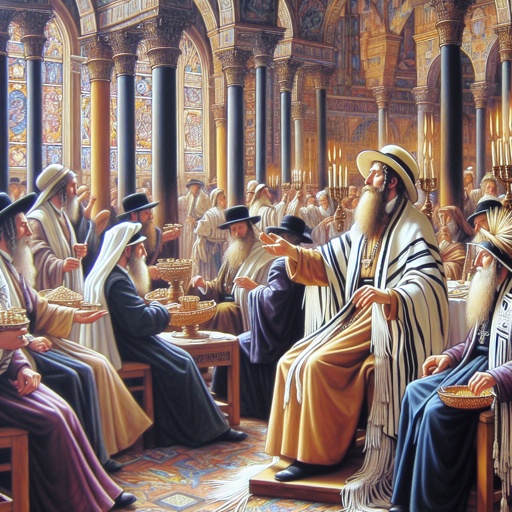
They do all their deeds to be seen by others. For they make their phylacteries broad and their fringes long, and they love the place of honour at feasts and the best seats in the synagogues and greetings in the marketplaces and being called rabbi by other.” Matthew 23:5
"But all their works they do for to be seen of men: they make broad their phylacteries, and enlarge the borders of their garments," - Matthew 23:5

Matthew 5:23 - "Therefore if thou bring thy gift to the altar, and there rememberest that thy brother hath ought against thee;"

Matthieu 5:23-26

Matthew 6:23

Matthew 5:23-24 - "Therefore, if you are offering your gift at the altar and there remember that your brother or sister has something against you, leave your gift there in front of the altar. First go and be reconciled to them; then come and offer your gift."

Matthew 25:23

Matthew 2:23

Matthew 15:23

Matthew 2:23

Matthew 23:12

Matthew 23:12
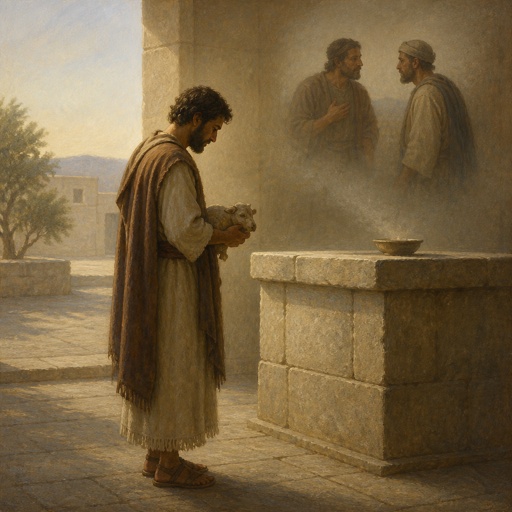
"Therefore if thou bring thy gift to the altar, and there rememberest that thy brother hath ought against thee;" - Matthew 5:23

Matthew 23:28

Matthew 2:23

Matthew 25:23

matthew 7:23

MATTHEW 28: 23

Matthew 2:23

Matthew 15:23

Matthew 23:28

Matthew 18:23-34

Matthew 18:23-34

Matthew 18:23-34

Matthew 18:23-34

Matthew 5:5 - "Blessed are the meek: for they shall inherit the earth."

Matthew 5:44

Matthew 5:44