What does Matthew 23:27 mean?
"Woe unto you, scribes and Pharisees, hypocrites! for ye are like unto whited sepulchres, which indeed appear beautiful outward, but are within full of dead men's bones, and of all uncleanness." - Matthew 23:27
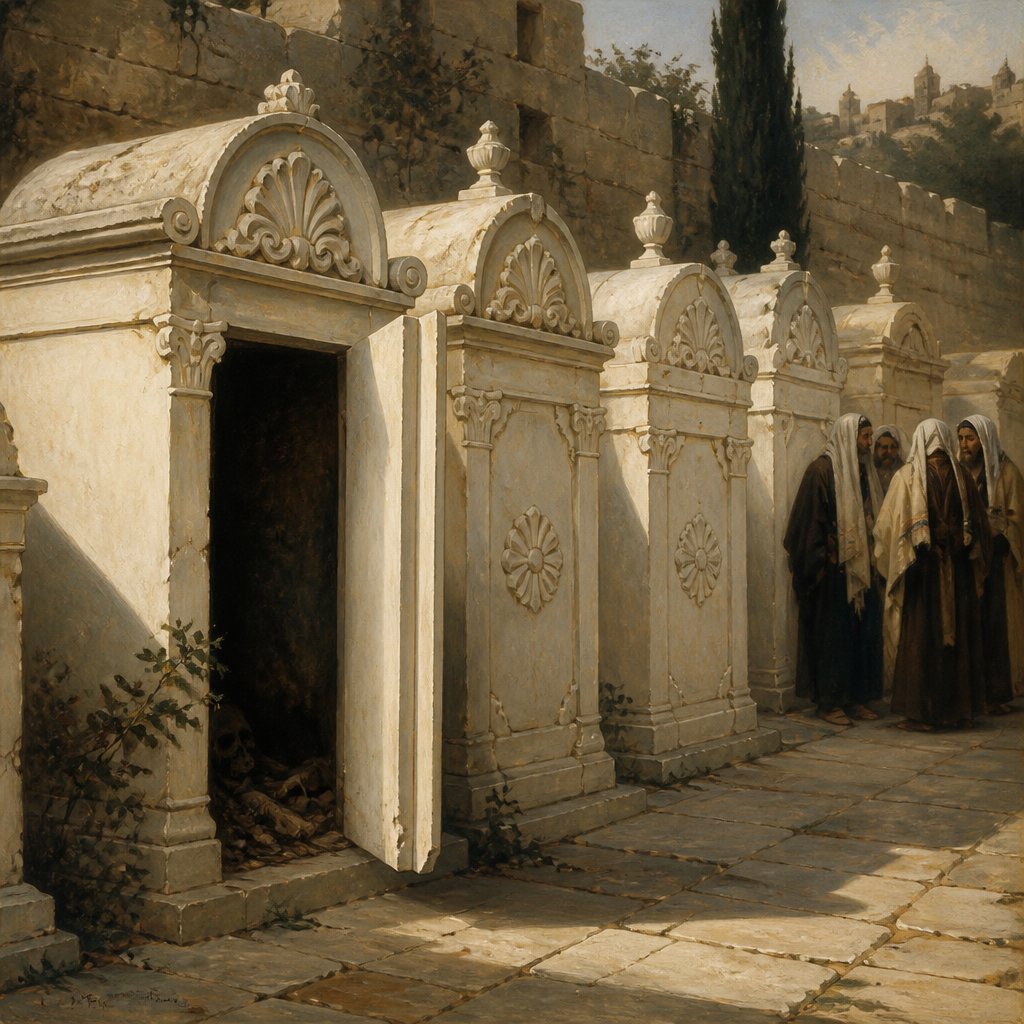
Matthew 23:27 (KJV) states, "Woe unto you, scribes and Pharisees, hypocrites! for ye are like unto whited sepulchres, which indeed appear beautiful outward, but are within full of dead men's bones, and of all uncleanness."
This verse is part of a series of seven "woes" that Jesus pronounced upon the scribes and Pharisees in Matthew 23. In these verses, Jesus sharply rebukes the religious leaders for their hypocrisy and self-righteousness. The metaphor of the "whited sepulchres" or "white-washed tombs" is particularly powerful, painting a vivid picture of the true nature of the scribes and Pharisees behind their outward appearance of piety and righteousness.
First, it is essential to understand the context of this verse within the broader message of Matthew 23. Throughout this chapter, Jesus condemns the scribes and Pharisees for their pride, hypocrisy, and legalism. These religious leaders were known for their outward displays of piety, meticulously following the ceremonial laws and traditions, and placing heavy burdens on others while neglecting justice, mercy, and faithfulness.
In verse 27, Jesus compares the scribes and Pharisees to "whited sepulchres" or "white-washed tombs." In Jewish tradition, a person who touched a tomb or a grave would become ceremonially unclean. To prevent this, tombs were whitewashed, making them highly visible and thus avoiding accidental contact with them. However, despite their clean, white appearance, the tombs contained decomposing bodies and were full of uncleanness.
This metaphor illustrates the true nature of the scribes and Pharisees. Outwardly, they appeared righteous and holy, but inwardly, they were full of hypocrisy and corruption. Their religious practices and traditions were merely a facade, masking their true spiritual condition.
The verse also represents a broader theme found throughout the New Testament, highlighting the importance of genuine repentance and inner transformation. Jesus often emphasized the concept of inner purity and righteousness, teaching that true religion is not merely an external display but a matter of the heart. He condemned those who focused solely on outward appearances while neglecting the inward reality of their hearts.
In addition to the theme of hypocrisy and inner purity, the metaphor of the "whited sepulchres" also carries significant symbolism. The tombs represent death and decay, symbolizing the spiritual death and moral corruption that lurked within the scribes and Pharisees. The whitewashing of the tombs represents the false righteousness and religious posturing that concealed their true nature. This symbolizes the danger of outward religious rituals and traditions that lack genuine spiritual substance.
Furthermore, the verse serves as a warning about the dangers of religious hypocrisy and self-righteousness. It reminds us that God looks beyond outward appearances and rituals, examining the condition of our hearts. As Jesus said elsewhere, "For out of the heart come evil thoughts, murder, adultery, sexual immorality, theft, false testimony, slander" (Matthew 15:19, NIV). True righteousness and holiness come from a transformed heart and genuine obedience to God, rather than superficial religious practices.
In conclusion, Matthew 23:27 is a powerful and convicting verse that exposes the hypocrisy and moral decay of the scribes and Pharisees. It serves as a timeless reminder of the importance of inward purity and genuine repentance, warning against the dangers of religious hypocrisy and self-righteousness. The verse challenges us to examine our own hearts and motives, reminding us that true righteousness comes from a transformed heart and a genuine relationship with God.
Have questions about Matthew 23:27?
Dive deeper into this scripture with Bible Chat — an AI-powered tool for exploring God's Word through conversation. Ask questions, get context, and grow in your understanding of the Bible.
Get Our Apps


Matthew 23:27 Artwork

Matthew 23:27 - "Woe unto you, scribes and Pharisees, hypocrites! for ye are like unto whited sepulchres, which indeed appear beautiful outward, but are within full of dead men's bones, and of all uncleanness."
"Woe unto you, scribes and Pharisees, hypocrites! for ye are like unto whited sepulchres, which indeed appear beautiful outward, but are within full of dead men's bones, and of all uncleanness." - Matthew 23:27

Matthew 27:23 - "And the governor said, Why, what evil hath he done? But they cried out the more, saying, Let him be crucified."

Matthew 27:46

Matthew 27:35

Matthew 24:27

Matthew 27:26

Matthew 6:23
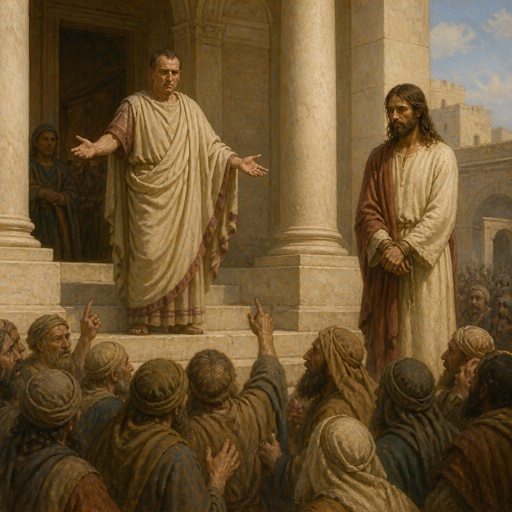
"And the governor said, Why, what evil hath he done? But they cried out the more, saying, Let him be crucified." - Matthew 27:23

Matthew 27:26

Matthew 27: 38

Exodus 23:27-28

Matthew 27:27 - "Then the soldiers of the governor took Jesus into the common hall, and gathered unto him the whole band of soldiers."

Matthew 25:23

Matthew 2:23

Matthew 15:23

Matthew 2:23

Matthew 23:12

Matthew 23:12

Matthew 7:24-27

Matthew 27:16 - "And they had then a notable prisoner, called Barabbas."

Matthew 27:36 - "And sitting down they watched him there;"

Matthew 2:23

Matthew 23:28

Matthew 25:23

MATTHEW 28: 23

Matthew 15:23

matthew 7:23

Matthew 2:23

Matthew 23:28