What does Matthew 23:24 mean?
"Ye blind guides, which strain at a gnat, and swallow a camel." - Matthew 23:24
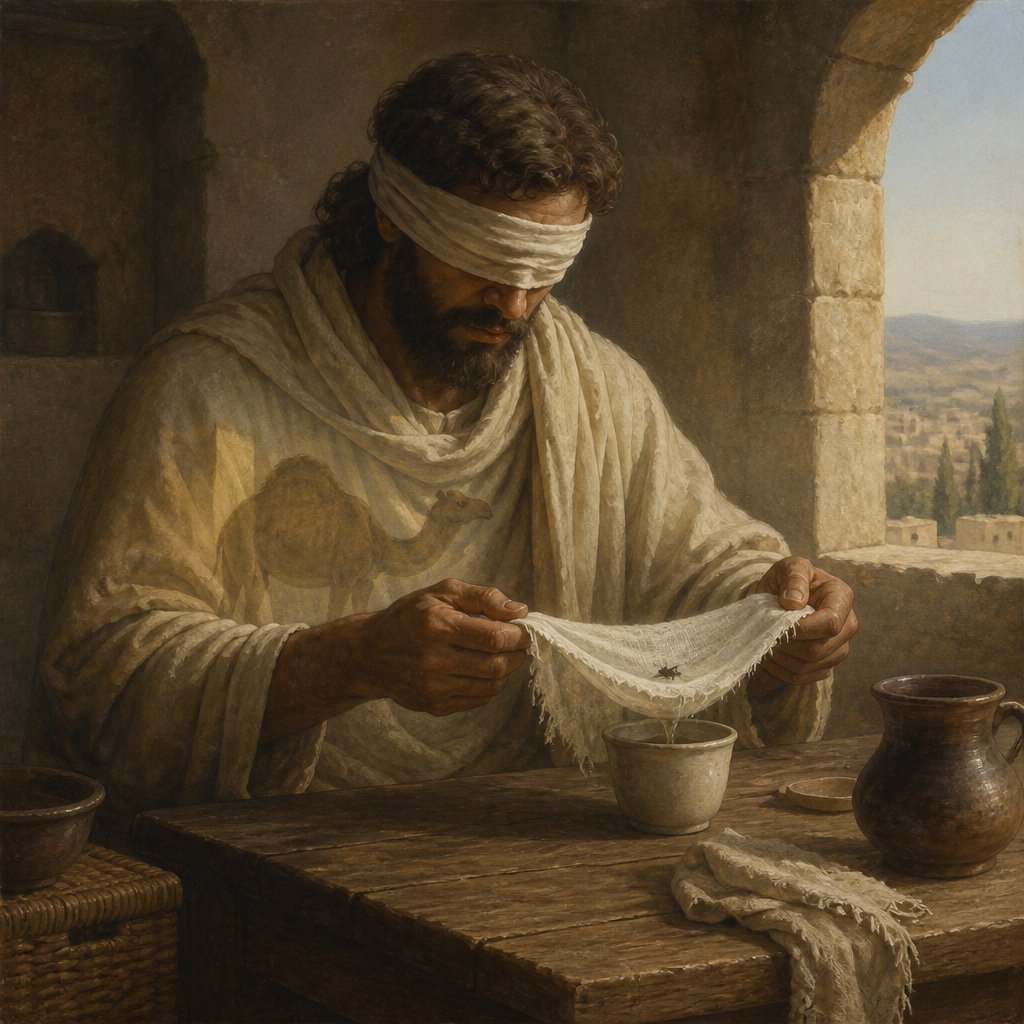
Matthew 23:24 (KJV) states, "Ye blind guides, which strain at a gnat, and swallow a camel." This verse is part of a larger passage in which Jesus is addressing a crowd and his disciples, as well as the religious leaders of the time, the scribes and Pharisees. In this passage, Jesus is rebuking the Pharisees for their hypocrisy and their focus on outward appearances rather than true righteousness.
The metaphor used in this verse is striking and impactful. Jesus accuses the Pharisees of being "blind guides," which suggests that they are leading others astray despite their own inability to see the truth. The imagery of "straining at a gnat, and swallowing a camel" further emphasizes this point. To strain at a gnat is to meticulously examine the smallest of details, while swallowing a camel is an absurd and impossible feat. This metaphor highlights the Pharisees' tendency to focus on minor issues while neglecting the larger, more important matters of justice, mercy, and faith.
This verse speaks to the larger theme of hypocrisy and self-righteousness that is present throughout the teachings of Jesus. The Pharisees were known for their strict adherence to religious laws and traditions, yet Jesus criticizes them for their lack of true understanding and compassion. They were more concerned with maintaining their outward appearance of piety than with genuinely seeking God and His will. This theme is relevant not only to the religious leaders of Jesus' time but also to contemporary believers who may be tempted to prioritize religious rituals and traditions over authentic faith and righteous living.
The context of this verse is also important in understanding its significance. At this point in the Gospel of Matthew, Jesus has entered Jerusalem and is engaging in a series of confrontations with the religious authorities. These confrontations ultimately lead to his crucifixion, making the criticisms of the Pharisees in this passage all the more pointed and poignant. Jesus is challenging the religious establishment and calling for a deeper, more heartfelt commitment to God and His kingdom.
In addition to its thematic and contextual significance, this verse also contains rich symbolism. The imagery of straining at a gnat and swallowing a camel serves as a powerful visual representation of the Pharisees' misguided priorities. The contrast between the small gnat and the large camel underscores the absurdity of their actions and the incongruity between their outward display of religious fervor and their inward lack of true righteousness.
Ultimately, this verse serves as a powerful indictment of hypocrisy and a call to authentic faith and righteousness. It challenges believers to examine their own hearts and actions, to prioritize mercy and justice over empty religious rituals, and to seek a deeper, more genuine connection with God. The vivid imagery and potent symbolism of this verse make it a memorable and impactful teaching from Jesus, one that continues to resonate with readers and inspire reflection and self-examination.
Have questions about Matthew 23:24?
Dive deeper into this scripture with Bible Chat — an AI-powered tool for exploring God's Word through conversation. Ask questions, get context, and grow in your understanding of the Bible.
Get Our Apps


Matthew 23:24 Artwork

Matthew 23:24 - "Ye blind guides, which strain at a gnat, and swallow a camel."
"Ye blind guides, which strain at a gnat, and swallow a camel." - Matthew 23:24

Matthew 24:23 - "Then if any man shall say unto you, Lo, here is Christ, or there; believe it not."
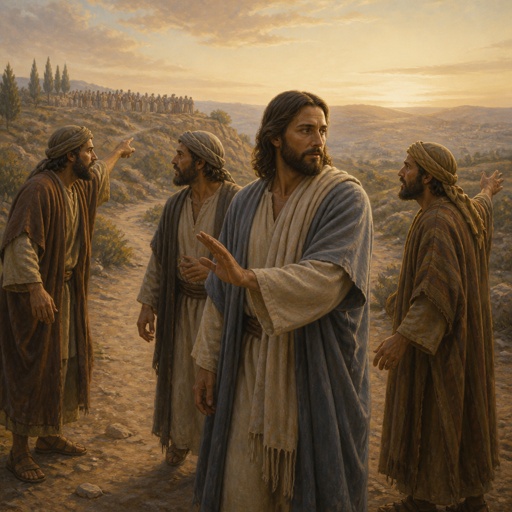
"Then if any man shall say unto you, Lo, here is Christ, or there; believe it not." - Matthew 24:23

Matthew 5:23-24 - "Therefore, if you are offering your gift at the altar and there remember that your brother or sister has something against you, leave your gift there in front of the altar. First go and be reconciled to them; then come and offer your gift."

Matthew 24:35

Matthew 24:35

Matthew 6:23

Matthew 24:35

Matthew 24:35

Matthew 24:35

Matthew 24:35

Matthew 24:35

Matthew 24:35

Matthew 24:35

Matthew 24:35

Matthew 24:27

Matthew 24:15

Matthew 6:24

Matthew 24:8

Matthew 25:23

Matthew 2:23

Matthew 15:23

Matthew 2:23

Matthew 23:12

Matthew 23:12

Genesis 24-23

Matthew 6:24

Matthew 6:24

Matthew 6:24