What does Matthew 22:21 mean?
"They say unto him, Caesar's. Then saith he unto them, Render therefore unto Caesar the things which are Caesar's; and unto God the things that are God's." - Matthew 22:21
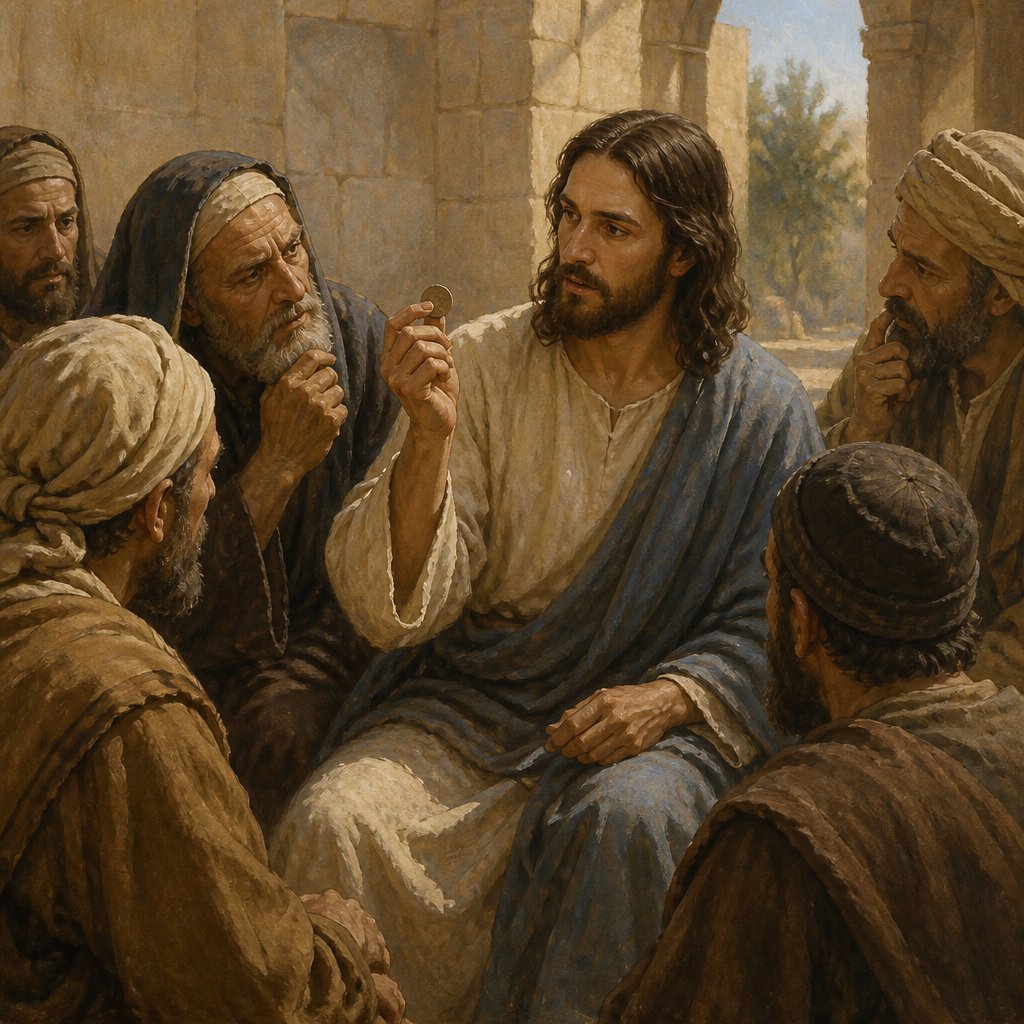
Matthew 22:21 (KJV) - "They say unto him, Caesar's. Then saith he unto them, Render therefore unto Caesar the things which are Caesar's; and unto God the things that are God's."
This verse is one of the most well-known and significant verses in the New Testament, spoken by Jesus in response to a question about paying taxes to the Roman authorities. It can be interpreted on various levels, addressing the relationship between the secular and the spiritual, the obligations of citizens to their government, and the distinction between earthly and heavenly authority.
In its historical context, this verse takes place during a time when the Jewish people were under Roman occupation, and taxes were a contentious issue. The Pharisees and Herodians, both groups with opposing political views, sought to trap Jesus with a question about whether it was lawful to pay taxes to Caesar. If Jesus said yes, he risked alienating the Jewish population, and if he said no, he would be perceived as a rebel against Roman authority. However, Jesus' response demonstrated wisdom and insight that transcended the political intrigue of his time.
The verse underscores the idea of dual citizenship – the responsibility to both earthly authority and divine authority. This concept has had a profound impact throughout history, informing the relationship between Christianity and politics in various contexts. Jesus acknowledges the legitimacy of human authority (Caesar's) while affirming the ultimate sovereignty of God. This teaching has been influential in shaping Christian perspectives on governance, justice, and moral obligation.
The phrase "Render unto Caesar the things that are Caesar's" has been widely interpreted as an endorsement of fulfilling one's civic duties, including paying taxes, obeying laws, and respecting those in authority. It implies that believers should be conscientious citizens, contributing to the good of society and promoting just governance. At the same time, it reminds Christians that while they have obligations to the state, their primary loyalty lies with God, and they must act in accordance with divine principles.
The second part of the verse, "and unto God the things that are God's," is equally significant. It emphasizes the spiritual realm and the paramount importance of honoring and serving God. In a broader sense, it suggests that there are certain aspects of life that are beyond the jurisdiction of earthly authorities and belong exclusively to God. This includes matters of faith, worship, morality, and the conscience. The verse thus points to the necessity of spiritual discernment, recognizing the proper domain of human institutions and the transcendence of God's kingdom.
The verse resonates with several key themes in Christian theology and ethics. It speaks to the tension between the secular and the sacred, the temporal and the eternal, and the individual and the community. It also addresses the idea of stewardship, emphasizing the need for discernment in the allocation of resources and the exercise of authority. Furthermore, it raises questions about the relationship between faith and politics, challenging believers to navigate their dual commitments with integrity and wisdom.
Symbolically, the coin mentioned in the verse represents the material concerns of the world. By acknowledging Caesar's image on the coin, Jesus draws attention to the limited authority of human rulers and the transient nature of worldly possessions. The concept of "rendering unto Caesar" can be seen as a metaphor for relinquishing what belongs to the temporal realm and recognizing the sovereignty of God in all aspects of life.
In sum, Matthew 22:21 encapsulates profound insights into the Christian approach to civic engagement, spiritual discernment, and the integration of faith and public life. It has been a source of guidance for believers navigating complex moral and political dilemmas throughout history, reminding them of their dual citizenship in the kingdom of God and the world. This verse continues to resonate as a timeless and timeless message of balance, responsibility, and allegiance, applicable to individuals and societies alike.
Have questions about Matthew 22:21?
Dive deeper into this scripture with Bible Chat — an AI-powered tool for exploring God's Word through conversation. Ask questions, get context, and grow in your understanding of the Bible.
Get Our Apps


Matthew 22:21 Artwork

Matthew 22:21 - "They say unto him, Caesar's. Then saith he unto them, Render therefore unto Caesar the things which are Caesar's; and unto God the things that are God's."
"They say unto him, Caesar's. Then saith he unto them, Render therefore unto Caesar the things which are Caesar's; and unto God the things that are God's." - Matthew 22:21

Matthew 9:21-22

Matthew 9:21-22

Matthew 9:21-22

Matthew 9:21-22

Matthew 9:21-22

Matthew 21:22 - "And all things, whatsoever ye shall ask in prayer, believing, ye shall receive."
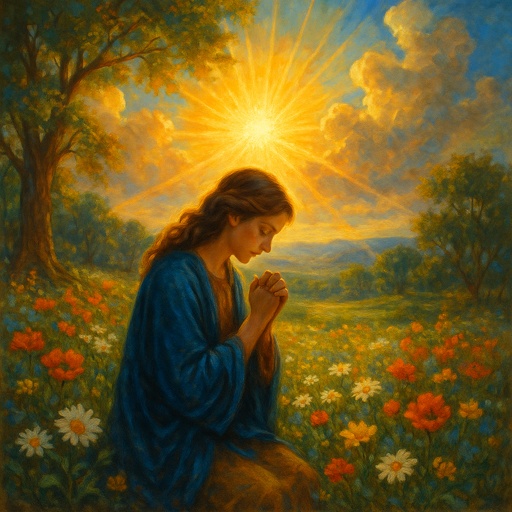
"And all things, whatsoever ye shall ask in prayer, believing, ye shall receive." - Matthew 21:22
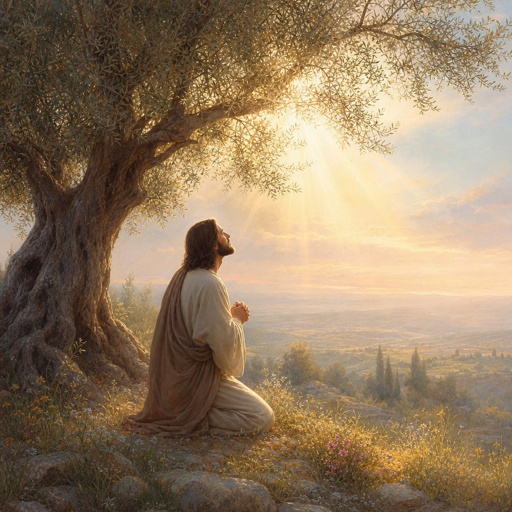
"And all things, whatsoever ye shall ask in prayer, believing, ye shall receive." - Matthew 21:22

Matthew 10:21-22 - "Brother will betray brother to death, and a father his child; children will rebel against their parents and have them put to death. You will be hated by everyone because of me, but the one who stands firm to the end will be saved."

Matthew 18:21-22 - "Then Peter came to Jesus and asked, “Lord, how many times shall I forgive my brother or sister who sins against me? Up to seven times?” Jesus answered, “I tell you, not seven times, but seventy-seven times."

Matthew 9:21

Matthew 21

Matthew 22:22 - "When they had heard these words, they marvelled, and left him, and went their way."

Matthew 6:22

Matthew 6:22

Matthew 25:21

Matthew 25:21

Matthew 6:22

Matthew 21:31

Matthew 21:25

Matthew 2:21

Matthew 5:21-22 - "You have heard that it was said to those of old, 'You shall not murder; and whoever murders will be liable to judgment.' But I say to you that everyone who is angry with his brother will be liable to judgment; whoever insults his brother will be liable to the council; and whoever says, 'You fool!' will be liable to the hell of fire."

Genesis 21:22

Genesis 22-21

Matthew 22:38 - "This is the first and great commandment."

Matthew 14:22-33

Matthew 21:1-11

Matthew 14:13-21