What does Matthew 22:18 mean?
"But Jesus perceived their wickedness, and said, Why tempt ye me, ye hypocrites?" - Matthew 22:18
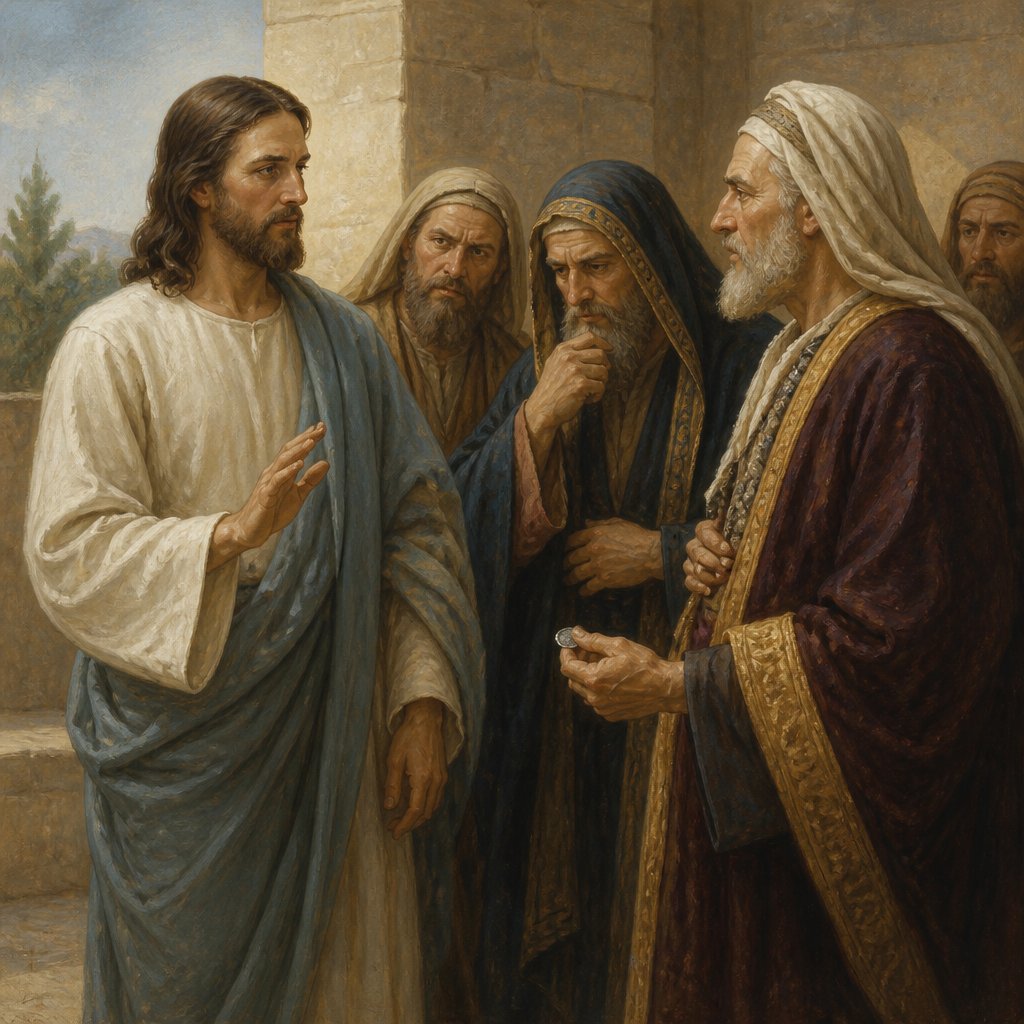
In Matthew 22:18, the King James Version (KJV) of the Bible states, "But Jesus perceived their wickedness, and said, Why tempt ye me, ye hypocrites?" This verse occurs within a larger passage in which the Pharisees are attempting to trap Jesus with a question about paying taxes to Caesar. This particular verse reveals Jesus' ability to see through the intentions and motives of those who were trying to manipulate and deceive him.
One of the recurring themes in the New Testament is the conflict between Jesus and the religious leaders of his time, particularly the Pharisees and the Sadducees. These factions often sought to undermine Jesus' authority or to discredit his teachings in the eyes of the people. In this passage, the Pharisees are attempting to test Jesus' allegiance to either Caesar or God by asking whether it is lawful to pay taxes to the Roman emperor. They were hoping to catch Jesus in a compromising position where he would either seem disloyal to the Roman authorities or opposed to the Jewish religious law.
Jesus' response to the Pharisees' question is both a rebuke and a challenge to their duplicity. By calling them "hypocrites," he is exposing their insincerity and their hidden agenda. In using this term, Jesus is highlighting the Pharisees' outward display of religious devotion and piety, while their true motivations are rooted in wickedness and deceit. This theme of hypocrisy and moral integrity is a central concern throughout the teachings of Jesus, as he frequently condemns those who outwardly adhere to religious practices but lack genuine faith and virtue in their hearts.
The broader context of this verse illuminates the tension between religious and secular authority, as well as the ethical responsibilities of individuals living under oppressive political regimes. In his response to the Pharisees, Jesus goes on to instruct them to "render … unto Caesar the things which are Caesar's; and unto God the things that are God's" (Matthew 22:21). This statement emphasizes the importance of recognizing and fulfilling one's obligations to both earthly authorities and divine principles. It also suggests that individuals can maintain their loyalty to God while still participating in secular society, so long as their actions align with moral and ethical standards.
In addition to its thematic significance, the verse in question also contains a layer of symbolism that reflects Jesus' divine insight and moral clarity. The fact that Jesus "perceived their wickedness" speaks to his supernatural ability to discern the inner thoughts and intentions of those around him. This gift of discernment demonstrates Jesus' unique authority and wisdom as the Son of God. Furthermore, the use of the term "hypocrites" serves as a powerful indictment of the Pharisees' spiritual emptiness and moral corruption, while also serving as a warning to others who might falsely claim religious piety for their own selfish purposes.
Overall, Matthew 22:18 presents a compelling commentary on the ethical and spiritual challenges faced by individuals living in a complex and often contradictory world. The verse underscores the importance of sincerity, integrity, and discernment in one's actions and intentions, while also highlighting Jesus' unwavering commitment to truth and righteousness in the face of deceit and manipulation. Additionally, the passage offers valuable insights into the intersection of religious faith and secular authority, and the ethical responsibilities that emerge from such a dynamic. Ultimately, this verse invites readers to reflect on their own attitudes and motivations, as well as to consider how they might uphold their convictions in a world fraught with moral ambiguity and conflicting loyalties.
Have questions about Matthew 22:18?
Dive deeper into this scripture with Bible Chat — an AI-powered tool for exploring God's Word through conversation. Ask questions, get context, and grow in your understanding of the Bible.
Get Our Apps


Matthew 22:18 Artwork

Matthew 22:18 - "But Jesus perceived their wickedness, and said, Why tempt ye me, ye hypocrites?"
"But Jesus perceived their wickedness, and said, Why tempt ye me, ye hypocrites?" - Matthew 22:18

Mathew 18:22

Matthew 18:22 - "Jesus saith unto him, I say not unto thee, Until seven times: but, Until seventy times seven."

Matthew 9:21-22

Matthew 18:21-22 - "Then Peter came to Jesus and asked, “Lord, how many times shall I forgive my brother or sister who sins against me? Up to seven times?” Jesus answered, “I tell you, not seven times, but seventy-seven times."

Matthew 9:21-22

Matthew 9:21-22

Matthew 9:21-22

Matthew 9:21-22

Matthew 22:22 - "When they had heard these words, they marvelled, and left him, and went their way."
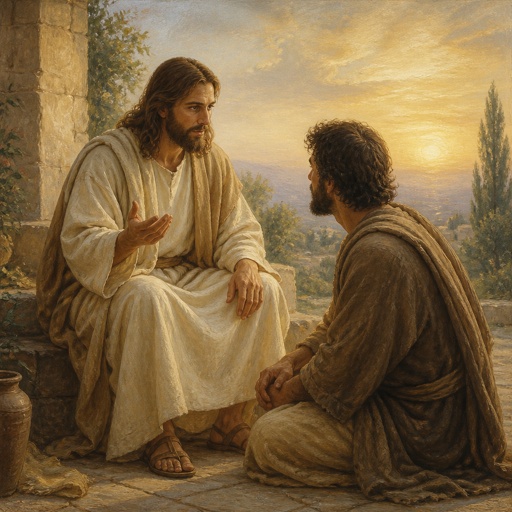
"Jesus saith unto him, I say not unto thee, Until seven times: but, Until seventy times seven." - Matthew 18:22

Matthew 6:22

Matthew 6:22

Matthew 6:22

Matthew 18:6

Matthew 18:10

Matthew 18:6

Matthew 18:20

Matthew 6:18

Matthew 22:38 - "This is the first and great commandment."

Matthew 14:22-33

Matthew 6:18

Matthew 18:20

Matthew 18:6

Matthew 18:20

Genesis 22-18

Psalm 22:18

Psalm 22:18

Genesis 18-22