What does Matthew 21:9 mean?
"And the multitudes that went before, and that followed, cried, saying, Hosanna to the Son of David: Blessed is he that cometh in the name of the Lord; Hosanna in the highest." - Matthew 21:9
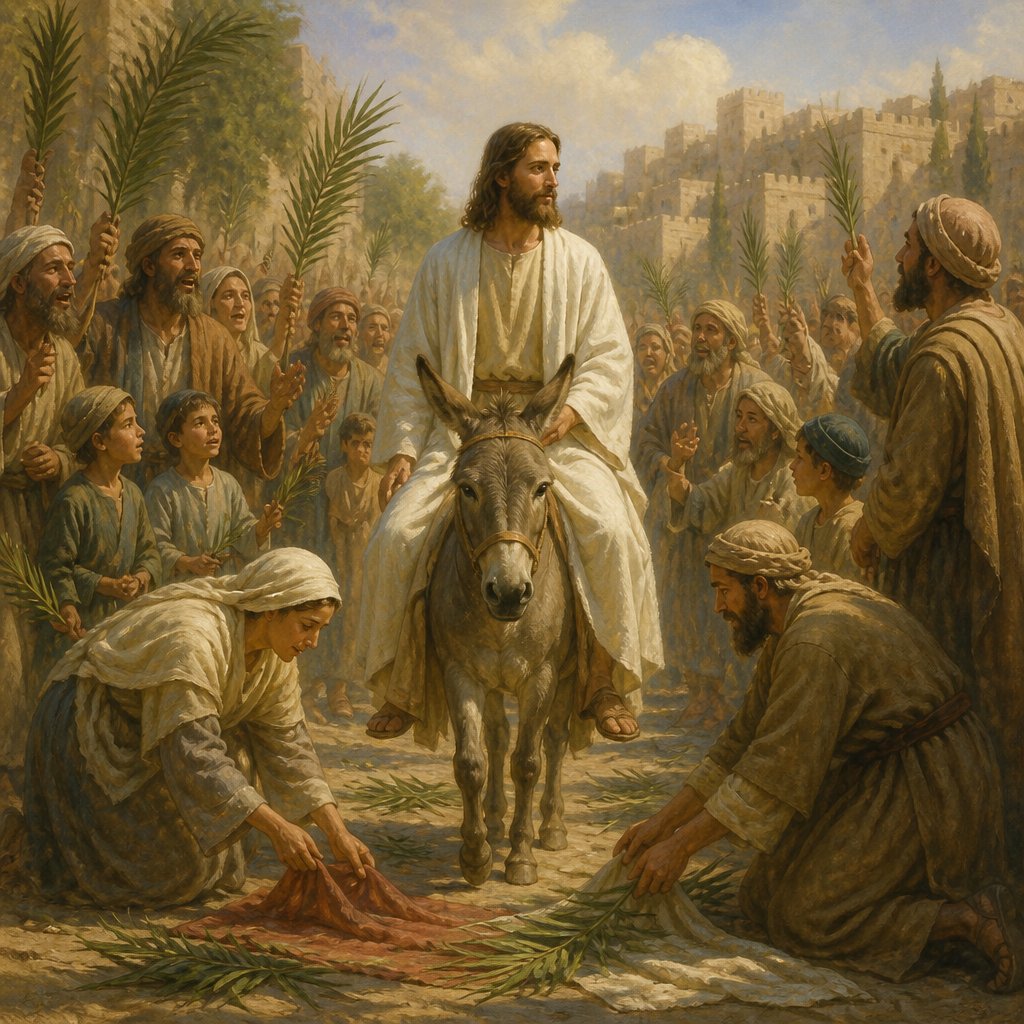
Matthew 21:9 (KJV) states, "And the multitudes that went before, and that followed, cried, saying, Hosanna to the son of David: Blessed is he that cometh in the name of the Lord; Hosanna in the highest."
This verse is a powerful proclamation of praise and worship to Jesus Christ as he enters Jerusalem. This event, known as the Triumphal Entry, is a significant moment in the life of Jesus and holds deep meaning in the Christian faith.
The verse begins with "And the multitudes that went before, and that followed, cried, saying," indicating a large crowd of people who were present during Jesus' entry into Jerusalem. This sets the scene for the following exclamation of praise and adoration that is about to take place.
The people cry out, "Hosanna to the son of David: Blessed is he that cometh in the name of the Lord; Hosanna in the highest." The word "Hosanna" is an expression of adoration and praise, often used in worship. It is a declaration of joy and jubilation, expressing a longing for salvation and deliverance. The crowd acknowledges Jesus as the "son of David," recognizing his royal lineage and Messianic identity. By proclaiming "Blessed is he that cometh in the name of the Lord," they are affirming Jesus as the long-awaited Messiah, the one who comes in the name of the Lord to bring salvation to God's people. "Hosanna in the highest" further emphasizes the exalted nature of Jesus and the praise and worship due to him.
The context of this verse is crucial to understanding its significance. Jesus' entry into Jerusalem was a fulfillment of Old Testament prophecy, specifically Zechariah 9:9, which says, "Rejoice greatly, O daughter of Zion; shout, O daughter of Jerusalem: behold, thy King cometh unto thee: he is just, and having salvation; lowly, and riding upon an ass, and upon a colt the foal of an ass." This prophecy foretold the coming of the Messiah, and the people's response to Jesus' entry showed their recognition of him as the promised King and Savior.
The themes present in this verse are abundant. Firstly, it emphasizes the kingship of Jesus Christ. The title "son of David" connects Jesus to the royal lineage of King David, affirming his rightful place as the King of Kings. This aligns with the larger theme of Jesus' sovereignty and his divine authority as the Messiah. The verse also highlights the theme of worship, as the crowd's exuberant praise and adoration demonstrate their acknowledgment of Jesus' divine nature and their desire to honor and glorify him.
Symbolism plays a significant role in this verse. The use of "Hosanna" as a declaration of praise and supplication carries deep symbolic meaning, signifying the people's recognition of Jesus as the source of salvation and their heartfelt longing for deliverance. The reference to the "son of David" symbolizes Jesus' royal lineage and his fulfillment of Old Testament prophecies regarding the coming Messiah. Additionally, the act of Jesus entering Jerusalem riding on a donkey symbolizes humility and peace, in contrast to the typical image of a conquering king on a war horse. This symbolizes Jesus' mission to bring about spiritual liberation and peace through humility and servanthood.
In conclusion, Matthew 21:9 (KJV) encapsulates the profound moment of Jesus' Triumphal Entry into Jerusalem, capturing the overwhelming praise and adoration of the people as they recognize him as the long-awaited Messiah and King. This verse holds deep theological and symbolic significance, conveying themes of royalty, worship, and salvation, while also providing a powerful portrayal of Jesus' divine nature and mission.
Have questions about Matthew 21:9?
Dive deeper into this scripture with Bible Chat — an AI-powered tool for exploring God's Word through conversation. Ask questions, get context, and grow in your understanding of the Bible.
Get Our Apps


Matthew 21:9 Artwork

Matthew 21:9 - "And the multitudes that went before, and that followed, cried, saying, Hosanna to the Son of David: Blessed is he that cometh in the name of the Lord; Hosanna in the highest."
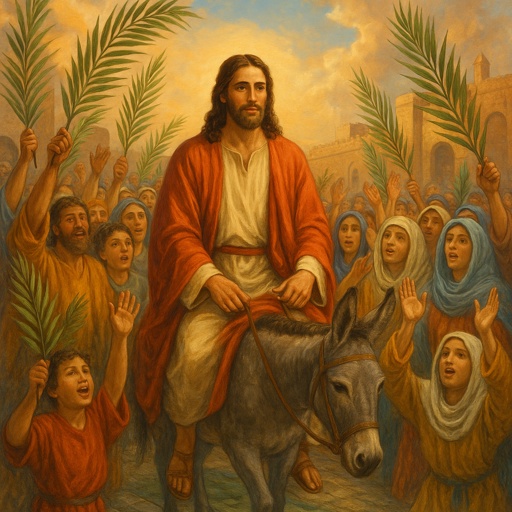
"And the multitudes that went before, and that followed, cried, saying, Hosanna to the Son of David: Blessed is he that cometh in the name of the Lord; Hosanna in the highest." - Matthew 21:9
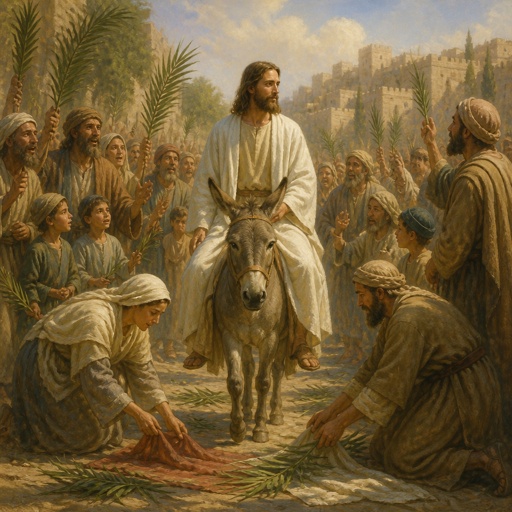
"And the multitudes that went before, and that followed, cried, saying, Hosanna to the Son of David: Blessed is he that cometh in the name of the Lord; Hosanna in the highest." - Matthew 21:9

Matthew 9:21

Matthew 9:21-22

Matthew 9:21-22

Matthew 9:21-22

Matthew 9:21-22

Matthew 9:21-22

Matthew 9:21 - "For she said within herself, If I may but touch his garment, I shall be whole."
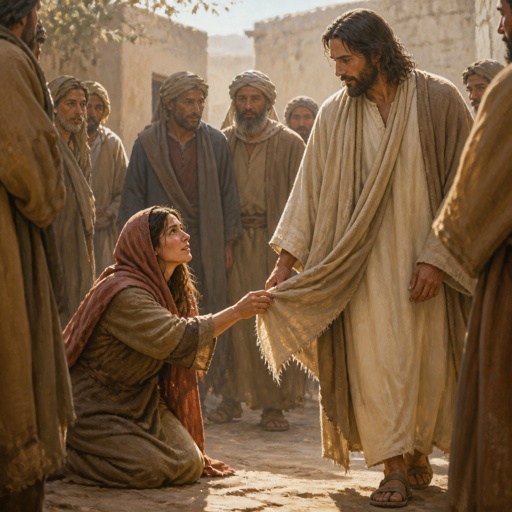
"For she said within herself, If I may but touch his garment, I shall be whole." - Matthew 9:21

Matthew 21

Matthew 25:21

Matthew 25:21

Matthew 21:31

Matthew 21:25

Matthew 2:21

Matthew 21:1-11

Matthew 14:13-21

Matthew 17:14-21

Matthew 21:21 Philippians 4:6-7 Ephesians 6:10-18 Put the words on the photo

Matthew 12:21 - "And in his name shall the Gentiles trust."

Matthew 17:21 - "Howbeit this kind goeth not out but by prayer and fasting."

Matthew 6:21 - "For where your treasure is, there will your heart be also."

Matthew 21:6 - "And the disciples went, and did as Jesus commanded them,"

Matthew 2:9

Matthew 9:9 - "¶ And as Jesus passed forth from thence, he saw a man, named Matthew, sitting at the receipt of custom: and he saith unto him, Follow me. And he arose, and followed him."

Matthew 2:9

Matthew 21:11 - "And the multitude said, This is Jesus the prophet of Nazareth of Galilee."

Matthew 21:18 - "Now in the morning as he returned into the city, he hungered."