What does Matthew 21:22 mean?
"And all things, whatsoever ye shall ask in prayer, believing, ye shall receive." - Matthew 21:22
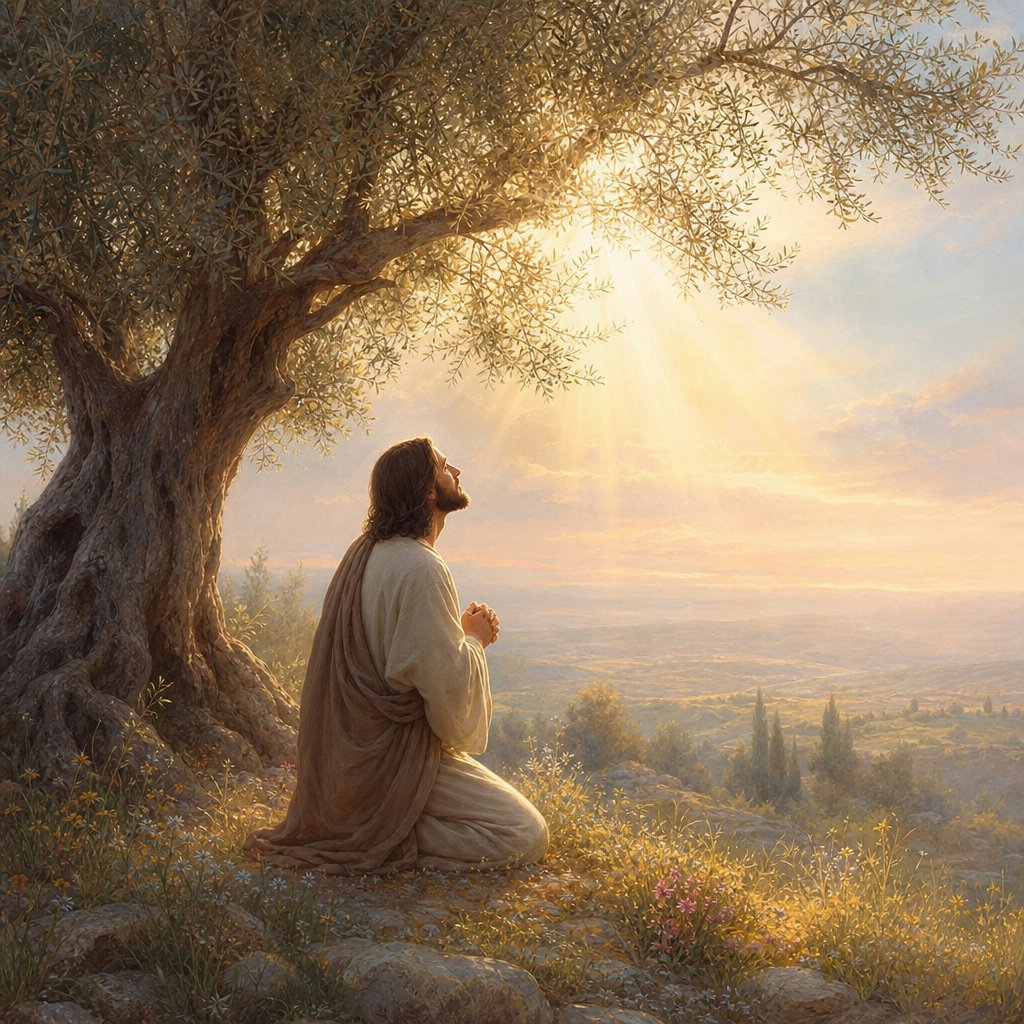
Matthew 21:22 in the King James Version reads, “And all things, whatsoever ye shall ask in prayer, believing, ye shall receive.” Its meaning comes into focus when it is heard where Jesus spoke it, why he spoke it, and what he had just done in front of his disciples.
In Matthew 21 Jesus has entered Jerusalem in a way that openly signals his kingship, yet he immediately turns that royal authority toward the cleansing of the temple. The chapter shows him confronting hollow religion, corrupt worship, and fruitless profession. In that setting Jesus comes upon a fig tree “and found nothing thereon, but leaves only,” and he says, “Let no fruit grow on thee henceforward for ever. And presently the fig tree withered away.” When the disciples marvel at the sudden withering, Jesus teaches them about faith: “If ye have faith, and doubt not…ye shall say unto this mountain, Be thou removed, and be thou cast into the sea; it shall be done.” Matthew 21:22 follows directly after that statement, so the verse is not a detached slogan about getting whatever one wants; it is the concluding sentence of a lesson about faith in God in the midst of a moment of judgment on fruitlessness and a call to true spiritual reality.
The immediate theme, therefore, is believing prayer. “Ask in prayer” presumes a living relationship with God rather than mere religious form, which fits the chapter’s contrast between outward show and inward truth. The earlier picture of the fig tree is symbolic: it had leaves, an appearance of life, but no fruit, the substance that should have matched the appearance. The withering is a acted parable of divine judgment on empty profession and unproductive religion. Against that backdrop, Christ’s promise about prayer is not a promise to empower spiritual pretence; it is spoken to disciples being trained for genuine faith and genuine fruit. Prayer “believing” is prayer that proceeds from trust, not from display, and it stands in contrast to the barren fig tree’s show without substance.
The wording “all things, whatsoever” is sweeping, and it is meant to encourage confidence rather than timidity. Yet Jesus qualifies the asking in two ways within the verse itself. First, it is “in prayer,” meaning the request is brought to God as God, not seized as a right by the asker. Prayer is an act of dependence; it acknowledges God’s authority and the petitioner’s need. Second, it is “believing,” and in the surrounding lines Jesus joins believing with the absence of doubt. In this context “believing” is not a technique for getting outcomes but a posture of the heart that takes God at his word and relies upon his power. Christ has just demonstrated authority in judgment and in the temple; the disciples are being shown that the God who judges hypocrisy and rules his house also hears his people, and that faith lays hold on him rather than on appearances.
The chapter’s wider context deepens this. Jesus has healed in the temple and received praise there, while religious leaders were “sore displeased.” He then teaches in parables that expose the leaders’ refusal to do God’s will despite their religious position. So Matthew 21:22 also implicitly contrasts two kinds of response to God: one that resists him while maintaining a religious façade, and one that comes to him in believing prayer. In other words, the promise is not a blanket endorsement of human desires; it is part of Christ’s formation of disciples who will bear fruit, do the Father’s will, and act in faith rather than in mere outward religion.
Symbolically, the “mountain” in the verse just before Matthew 21:22 evokes what is humanly immovable. In Scripture, mountains can represent overwhelming obstacles, entrenched powers, or daunting impossibilities. Jesus is teaching that God’s power is not limited by what seems fixed and unchangeable. When Matthew 21:22 says, “ye shall receive,” it brings that imagery down into the daily practice of prayer: the God who can wither a fig tree at a word and who can remove what looks immovable is able to answer his people. The verse is meant to cultivate confidence that prayer is not empty speech but real communion with a living God who acts.
At the same time, the moral and spiritual atmosphere of the chapter suggests the kind of “all things” Christ is pressing toward. The temple is being purified; worship is being corrected; hypocrisy is being judged; obedience is being demanded; fruit is being sought. Read with that context, believing prayer is aligned with God’s purposes. The disciple who has heard Jesus condemn fruitlessness and cleanse God’s house is being shaped to ask in ways that accord with that same kingdom work: for real fruit, for true worship, for deliverance from hypocrisy, for the doing of God’s will. That alignment is not imposed from outside the verse, but flows from where the verse sits in the narrative and what Jesus is addressing.
So the significance of Matthew 21:22 is that Jesus is placing prayer at the center of fruitful discipleship. He offers not a magical formula but a kingdom assurance: when a disciple comes to God in prayer with true faith, the disciple is not speaking into a void. God hears, and God can answer. The verse calls the reader away from barren leaves toward living trust, away from religious appearance toward spiritual reality, and into a confident dependence on God that expects him to act because he is God.
Have questions about Matthew 21:22?
Dive deeper into this scripture with Bible Chat — an AI-powered tool for exploring God's Word through conversation. Ask questions, get context, and grow in your understanding of the Bible.
Get Our Apps


Matthew 21:22 Artwork

Matthew 21:22 - "And all things, whatsoever ye shall ask in prayer, believing, ye shall receive."
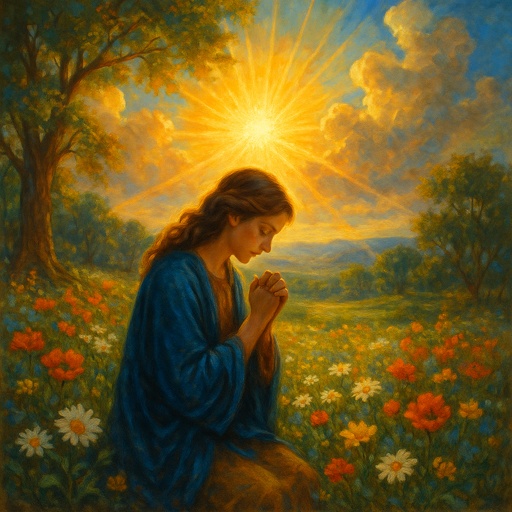
"And all things, whatsoever ye shall ask in prayer, believing, ye shall receive." - Matthew 21:22
"And all things, whatsoever ye shall ask in prayer, believing, ye shall receive." - Matthew 21:22

Matthew 9:21-22

Matthew 9:21-22

Matthew 9:21-22

Matthew 9:21-22

Matthew 9:21-22

Matthew 22:21 - "They say unto him, Caesar's. Then saith he unto them, Render therefore unto Caesar the things which are Caesar's; and unto God the things that are God's."

Matthew 10:21-22 - "Brother will betray brother to death, and a father his child; children will rebel against their parents and have them put to death. You will be hated by everyone because of me, but the one who stands firm to the end will be saved."

Matthew 18:21-22 - "Then Peter came to Jesus and asked, “Lord, how many times shall I forgive my brother or sister who sins against me? Up to seven times?” Jesus answered, “I tell you, not seven times, but seventy-seven times."

Matthew 9:21

Matthew 21

Matthew 22:22 - "When they had heard these words, they marvelled, and left him, and went their way."

Matthew 6:22

Matthew 6:22

Matthew 25:21

Matthew 25:21

Matthew 6:22

Matthew 21:31

Matthew 21:25

Matthew 2:21

Matthew 5:21-22 - "You have heard that it was said to those of old, 'You shall not murder; and whoever murders will be liable to judgment.' But I say to you that everyone who is angry with his brother will be liable to judgment; whoever insults his brother will be liable to the council; and whoever says, 'You fool!' will be liable to the hell of fire."

Genesis 21:22

Genesis 22-21

Matthew 22:38 - "This is the first and great commandment."

Matthew 14:22-33

Matthew 21:1-11

Matthew 14:13-21

Matthew 22:37-39