What does Matthew 1:3 mean?
"And Judas begat Phares and Zara of Thamar; and Phares begat Esrom; and Esrom begat Aram;" - Matthew 1:3
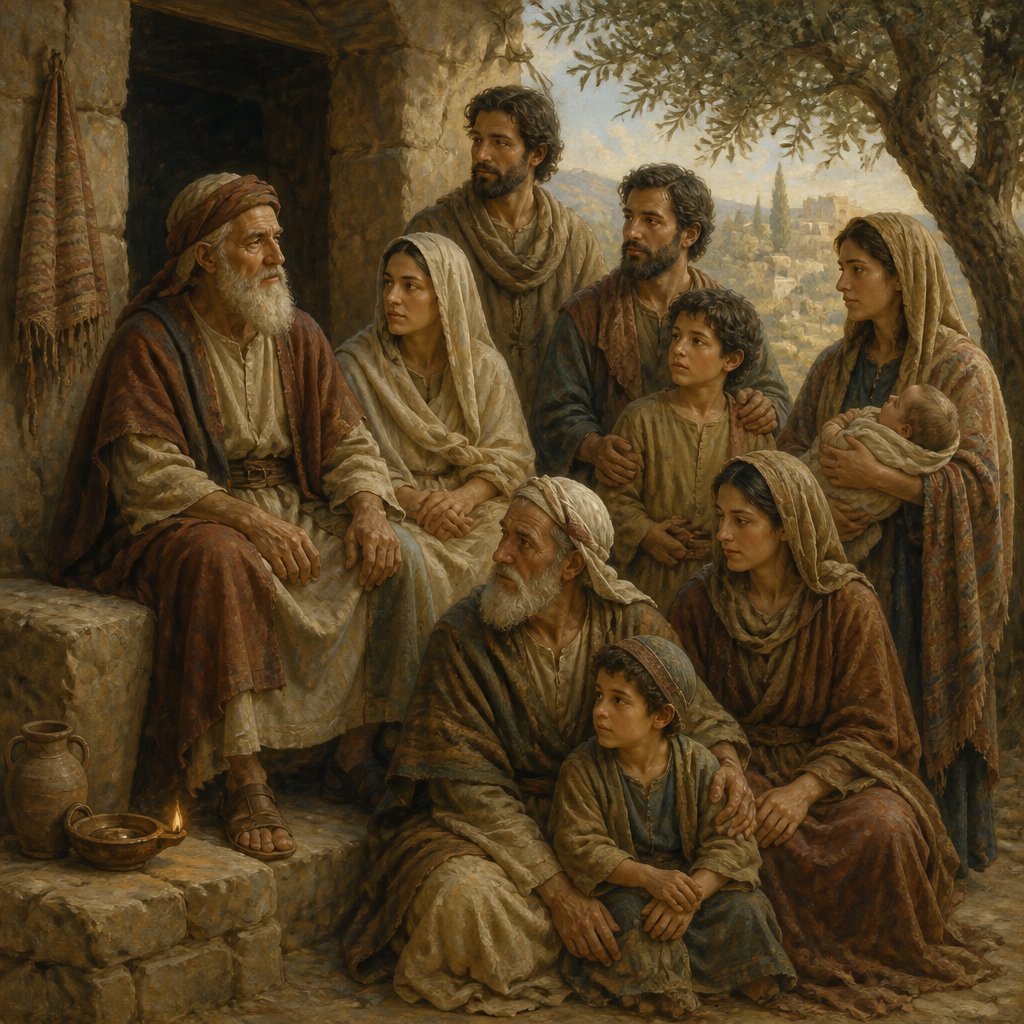
"Judah begat Phares and Zara of Thamar; and Phares begat Esrom; and Esrom begat Aram;"
The genealogy of Jesus Christ in the book of Matthew is a pivotal aspect of the Gospel, connecting the Old Testament to the New Testament and showing the fulfillment of God's promises through generations. In this verse, the lineage from Judah to Phares, Zara, Esrom, and Aram is highlighted, tracing the royal lineage of Jesus back to Judah, the son of Jacob and Leah. This verse sets the stage for the coming of Jesus as the Messiah, who would fulfill the prophecies and promises of God.
The theme of lineage and ancestry is prominent throughout the Bible, particularly in the Old Testament. The genealogy of Jesus is significant as it establishes his rightful place as the heir to the throne of David, fulfilling the prophecy from the book of Isaiah: "For unto us a child is born, unto us a son is given: and the government shall be upon his shoulder: and his name shall be called Wonderful, Counsellor, The mighty God, The everlasting Father, The Prince of Peace" (Isaiah 9:6, KJV). By tracing Jesus' lineage back to Judah, Matthew emphasizes his royal descent and the fulfillment of the promises made to the house of David.
The mention of Tamar, the mother of Phares and Zara, is also noteworthy. Tamar's story is told in the book of Genesis, where she is depicted as a woman who took matters into her own hands to ensure her place in the lineage of Judah. This inclusion in Jesus' genealogy serves as a reminder that God's plan includes all people, even those who have experienced disgrace or made mistakes. It also foreshadows the inclusion of Gentiles in the kingdom of God, as Tamar was a Canaanite woman who became part of the lineage of Jesus.
The symbolism in this verse is deeply rooted in the Old Testament and the covenant that God made with his people. The genealogy serves as a reminder of God's faithfulness to his promises and his sovereignty over history. It also points to the significance of Jesus as the fulfillment of God's plan for salvation.
The context of this verse is important in understanding its relevance to the overall narrative of the Gospel of Matthew. The genealogy of Jesus appears at the beginning of the book, serving as a prelude to his birth and ministry. By tracing Jesus' lineage back to Judah and ultimately to Abraham, Matthew establishes his credentials as the long-awaited Messiah, who would bring salvation not only to the people of Israel but to all nations.
In conclusion, Matthew 1:3 holds great significance in the overarching narrative of the Gospel of Matthew. It serves as a link between the Old Testament and the New Testament, highlighting the fulfillment of God's promises through generations. The theme of lineage and ancestry underscores Jesus' rightful place as the long-awaited Messiah, while the inclusion of Tamar in the genealogy symbolizes God's inclusion of all people in his plan for salvation. This verse sets the stage for the coming of Jesus and emphasizes the faithfulness of God to his promises throughout history.
Have questions about Matthew 1:3?
Dive deeper into this scripture with Bible Chat — an AI-powered tool for exploring God's Word through conversation. Ask questions, get context, and grow in your understanding of the Bible.
Get Our Apps


Matthew 1:3 Artwork

Matthew 1:3 - "And Judas begat Phares and Zara of Thamar; and Phares begat Esrom; and Esrom begat Aram;"
"And Judas begat Phares and Zara of Thamar; and Phares begat Esrom; and Esrom begat Aram;" - Matthew 1:3

Matthew 11:3

Matthew 3:1 - "In those days came John the Baptist, preaching in the wilderness of Judaea,"

Matthew 3:11

Matthew 3:16

Matthew 3:11

Matthew 3:11

Matthew 3:11

Matthew 3:11
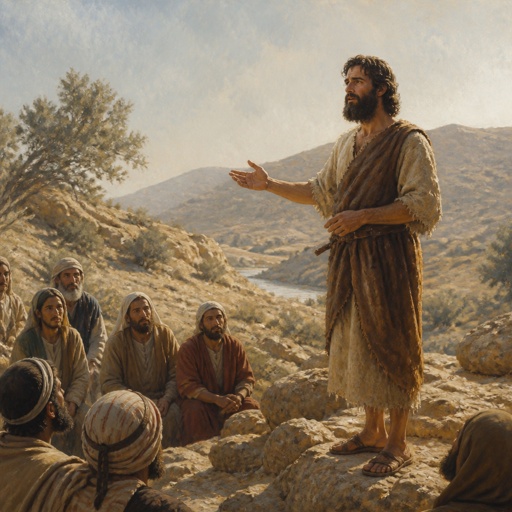
"In those days came John the Baptist, preaching in the wilderness of Judaea," - Matthew 3:1

Matthew 3:16

Matthew 3:16

Matthew 3:11

Matthew 3:11-12

Matthew 3:11-12

Matthew 3:12

Matthew 3:12

Matthew 3:11

Matthew 3:11

Matthew 3:11

matthew 20:3

Matthew 3:12

Matthew 10:3 - "Philip, and Bartholomew; Thomas, and Matthew the publican; James the son of Alphaeus, and Lebbaeus, whose surname was Thaddaeus;"

Matthew 3:13-17

Matthew 2:3-4

Matthew 2:3-4

Matthew 2:3-4

Matthew 2:3-4

Matthew 3:2 - "And saying, Repent ye: for the kingdom of heaven is at hand."