What does Matthew 1:14 mean?
"And Azor begat Sadoc; and Sadoc begat Achim; and Achim begat Eliud;" - Matthew 1:14
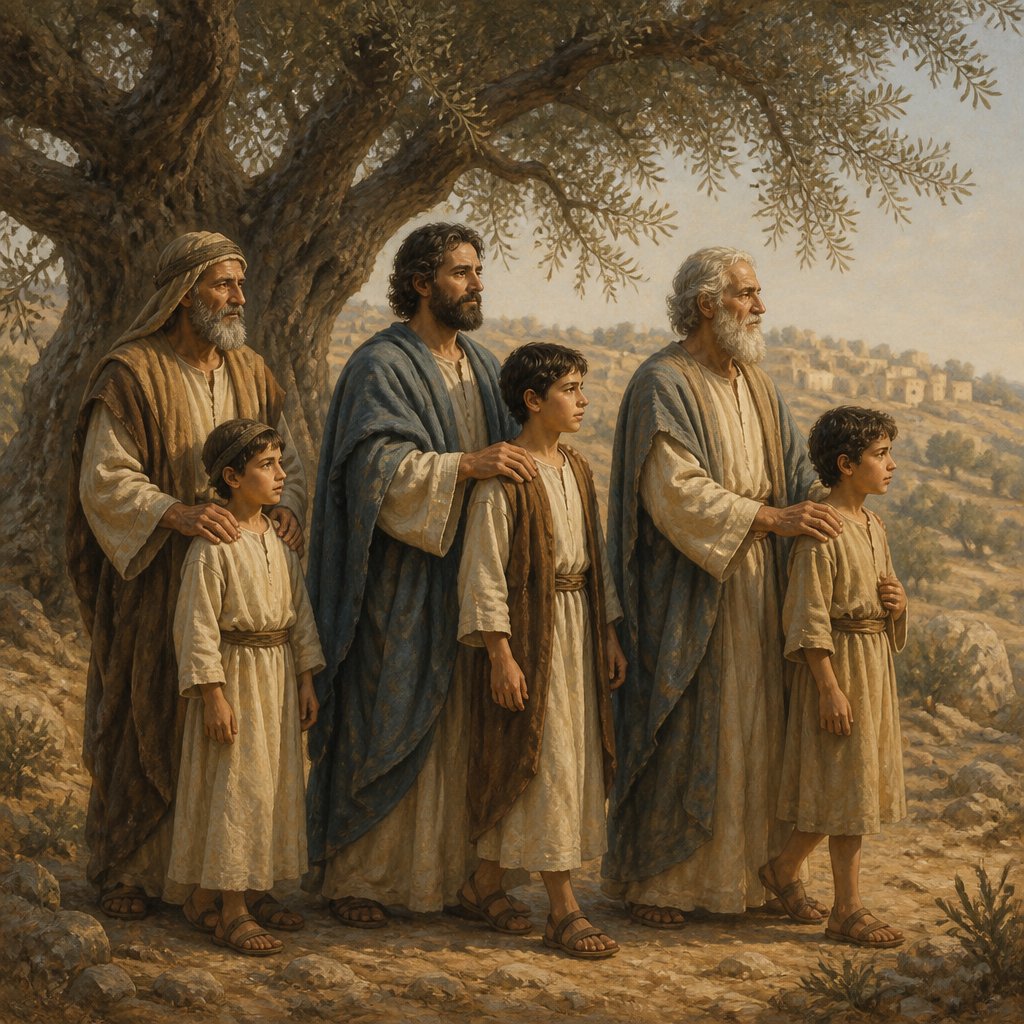
Matthew 1:14 (KJV) states: "And Azor begat Sadoc; and Sadoc begat Achim; and Achim begat Eliud;"
This verse is part of the genealogy of Jesus Christ as recorded in the book of Matthew. Genealogies were important in Hebrew culture as they established a person's physical and legal descent, as well as their inheritance rights. In the case of Jesus, the genealogy was crucial in establishing his Davidic lineage, as the Old Testament prophesied that the Messiah would be a descendant of King David.
In understanding the significance of this verse, it is important to consider its place within the broader context of the genealogy of Jesus. Matthew traces the lineage of Jesus from Abraham through David down to Joseph, the husband of Mary, who gave birth to Jesus. The genealogy establishes Jesus' legal right to the throne of David, fulfilling the prophecy of the Messiah in the Old Testament.
The mention of Azor, Sadoc, Achim, and Eliud in this verse may seem insignificant at first glance, but each name holds meaning and significance within the genealogy of Jesus. These names serve as a reminder of God's faithfulness to fulfill His promises and purposes through the lineage of His chosen people.
Azor, Sadoc, Achim, and Eliud are part of the chain of generations that ultimately leads to the birth of Jesus. Each name represents a link in the fulfillment of God's plan for salvation. It is a reminder that God works through generations, faithfully leading His people towards the fulfillment of His promises.
In a broader sense, the genealogy of Jesus serves to highlight the overarching theme of God's faithfulness and sovereignty. It demonstrates how God meticulously orchestrated the events of history to bring about the birth of Jesus, the long-awaited Messiah. It emphasizes the continuity of God's plan throughout generations and the unfolding of His redemptive purposes.
The genealogy also underscores the humanity of Jesus, as it traces his ancestry through a long line of individuals. This serves as a reminder that Jesus, though divine, was also fully human, sharing in the lineage and history of his people.
Moreover, the genealogy of Jesus reflects the theme of fulfillment of prophecy. Throughout the Old Testament, there were numerous prophecies about the coming of the Messiah, and the genealogy in Matthew 1 serves as a testament to the fulfillment of these prophecies in the person of Jesus Christ.
Furthermore, the genealogy of Jesus also emphasizes the universal nature of God's redemptive plan. It is significant to note that the genealogy includes both Jews and Gentiles, highlighting God's plan to bring salvation to all people. This is in line with the broader theme of biblical theology, which emphasizes God's inclusive love for all humanity.
In addition to the thematic significance, the genealogy of Jesus also holds symbolic value. It symbolizes the continuity of God’s redemptive plan throughout history, as well as the fulfillment of His promises. It stands as a testament to God's faithfulness and sovereignty in orchestrating the events of history to bring about the birth of Jesus, the Savior of the world.
In conclusion, Matthew 1:14, as part of the genealogy of Jesus, carries significant thematic, contextual, and symbolic meanings. It serves as a reminder of God's faithfulness, the fulfillment of prophecy, the humanity and divinity of Jesus, and the universal nature of God's redemptive plan. As such, it holds a central place in the narrative of Jesus' birth and serves as a testament to God's sovereign and redemptive work throughout history.
Have questions about Matthew 1:14?
Dive deeper into this scripture with Bible Chat — an AI-powered tool for exploring God's Word through conversation. Ask questions, get context, and grow in your understanding of the Bible.
Get Our Apps


Matthew 1:14 Artwork

Matthew 1:14 - "And Azor begat Sadoc; and Sadoc begat Achim; and Achim begat Eliud;"
"And Azor begat Sadoc; and Sadoc begat Achim; and Achim begat Eliud;" - Matthew 1:14

Matthew 1:4 - "And Aram begat Aminadab; and Aminadab begat Naasson; and Naasson begat Salmon;"

Matthew 5:14

Matthew 6:14

Matthew 5:14

Matthew 14:22-33
"And Aram begat Aminadab; and Aminadab begat Naasson; and Naasson begat Salmon;" - Matthew 1:4

Matthew 14:1 - "At that time Herod the tetrarch heard of the fame of Jesus,"
"At that time Herod the tetrarch heard of the fame of Jesus," - Matthew 14:1

Matthew 7:13-14

Matthew 7:13-14

Matthew 7:13-14

Matthew 7:13-14

Matthew 7:13-14

Matthew 7:13-14

Matthew 7:13-14

Matthew 7:13-14

Matthew 7:13-14

Matthew 7:13-14

Matthew 7:13-14

matthew 2:14

Matthew 7:13-14

Matthew 7:13-14

Matthew 7:13-14

Matthew 7:13-14

Matthew 7:13-14

Matthew 7:13-14

Matthew 7:13-14

Matthew 7:13-14