What does Matthew 19:9 mean?
"And I say unto you, Whosoever shall put away his wife, except it be for fornication, and shall marry another, committeth adultery: and whoso marrieth her which is put away doth commit adultery." - Matthew 19:9
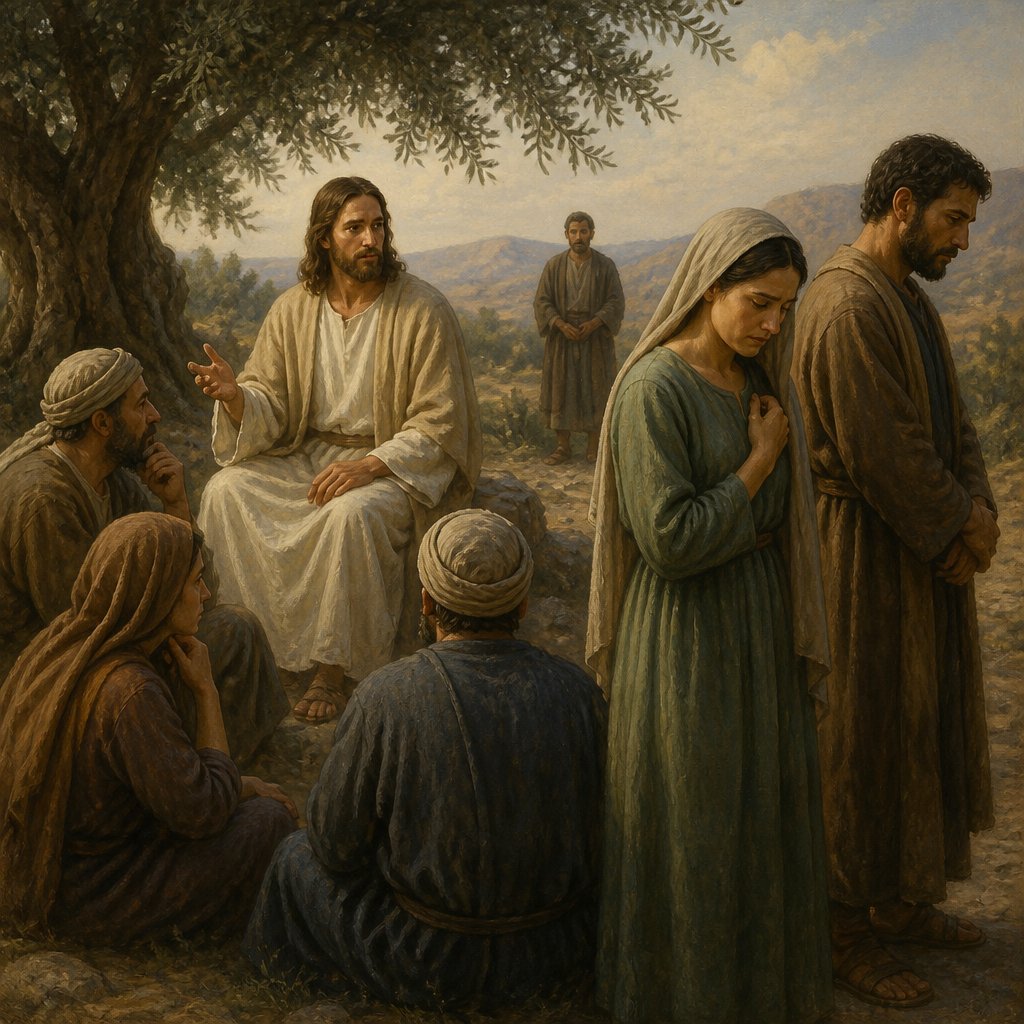
Matthew 19:9 in the King James Version (KJV) of the Bible states, "And I say unto you, Whosoever shall put away his wife, except it be for fornication, and shall marry another, committeth adultery: and whoso marrieth her which is put away doth commit adultery."
This verse is part of a larger conversation between Jesus and the Pharisees about divorce. In this passage, Jesus is affirming the sanctity of marriage and addressing the issue of divorce within the Jewish community. The verse is powerful and presents a strict stance on the topic of divorce, but it also provides insight into the values and beliefs of the time.
The theme of marriage and divorce is central to this verse, and it reflects the teachings and values of Jesus as well as the laws of the Jewish community. In the ancient Jewish tradition, marriage was considered a sacred and binding covenant between a man and a woman, and divorce was not a commonly accepted practice. Jesus's words in this verse emphasize the importance of honoring this covenant and the severity of breaking it.
One of the key themes in this verse is the concept of adultery. By stating that anyone who divorces their spouse and marries another person is committing adultery, Jesus is reaffirming the seriousness of the marriage covenant. Adultery was a grave offense in Jewish society, and it was condemned by both religious and secular authorities. Jesus's words in this verse serve as a reminder of the moral and ethical standards that were expected within the community.
Another important theme in this verse is the importance of faithfulness and commitment within marriage. Jesus makes it clear that divorce should only be considered in cases of fornication, which refers to sexual immorality or unfaithfulness within the marriage. By addressing this specific circumstance, Jesus acknowledges the reality of human weakness and the potential for betrayal within relationships. However, he also emphasizes that faithfulness and commitment are essential components of a healthy and strong marriage.
The context of this verse is also significant in understanding its meaning and implications. During the time of Jesus, divorce was a controversial and debated issue within Jewish society. The Pharisees, who were religious leaders and experts in Jewish law, often questioned Jesus about matters of morality and religious practice. In this instance, they were testing Jesus by asking him about his views on divorce, hoping to challenge his teachings or discredit him.
By responding with the words found in Matthew 19:9, Jesus not only defends the sanctity of marriage but also challenges the prevailing attitudes towards divorce. In doing so, he sets a high standard for his followers, urging them to prioritize fidelity and commitment within marriage.
The symbolism in this verse is evident in the language and imagery used by Jesus. The reference to adultery carries a powerful symbolic weight, representing not only the violation of marital vows but also the breach of trust and the desecration of a sacred union. By using this strong imagery, Jesus conveys the severity of divorce and the importance of upholding the sanctity of marriage.
In conclusion, Matthew 19:9 in the King James Version of the Bible presents a profound and impactful message about the sanctity of marriage and the seriousness of divorce. Jesus's teachings emphasize the values of fidelity, commitment, and ethical conduct within relationships, and they challenge the prevailing attitudes towards marriage and divorce in ancient Jewish society. The verse serves as a reminder of the moral and spiritual significance of marriage and prompts reflection on the values and principles that underpin healthy and fulfilling relationships.
Have questions about Matthew 19:9?
Dive deeper into this scripture with Bible Chat — an AI-powered tool for exploring God's Word through conversation. Ask questions, get context, and grow in your understanding of the Bible.
Get Our Apps


Matthew 19:9 Artwork

Matthew 19:9 - "And I say unto you, Whosoever shall put away his wife, except it be for fornication, and shall marry another, committeth adultery: and whoso marrieth her which is put away doth commit adultery."
"And I say unto you, Whosoever shall put away his wife, except it be for fornication, and shall marry another, committeth adultery: and whoso marrieth her which is put away doth commit adultery." - Matthew 19:9

Matthew 9:19 - "And Jesus arose, and followed him, and so did his disciples."

"And Jesus arose, and followed him, and so did his disciples." - Matthew 9:19

matthew 28:19

Matthew 19:26

matthew 28:19

Matthew 19:13

Matthew 19:19 - "Honour thy father and thy mother: and, Thou shalt love thy neighbour as thyself."

Matthew 28:19-20

Matthew 9:21

Matthew 9:21-22

Matthew 28:19-20

Matthew 28: 19-20

Matthew 19:16-17

Matthew 28:19-20

Matthew 9:21-22

Matthew 9:21-22

Matthew 9:21-22

Matthew 9:21-22

Matthew 2:9

Matthew 9:9 - "¶ And as Jesus passed forth from thence, he saw a man, named Matthew, sitting at the receipt of custom: and he saith unto him, Follow me. And he arose, and followed him."

Matthew 2:9

Matthew 19:2 - "And great multitudes followed him; and he healed them there."

Matthew 19:30 - "But many that are first shall be last; and the last shall be first."

Genesis 19-9

Matthew 6:9-13

Matthew 19:15 - "And he laid his hands on them, and departed thence."

Matthew 9:37-38

Matthew 26:19 - "And the disciples did as Jesus had appointed them; and they made ready the passover."