What does Matthew 19:16-17 mean?
"And, behold, one came and said unto him, Good Master, what good thing shall I do, that I may have eternal life? And he said unto him, Why callest thou me good? there is none good but one, that is, God: but if thou wilt enter into life, keep the commandments." - Matthew 19:16-17
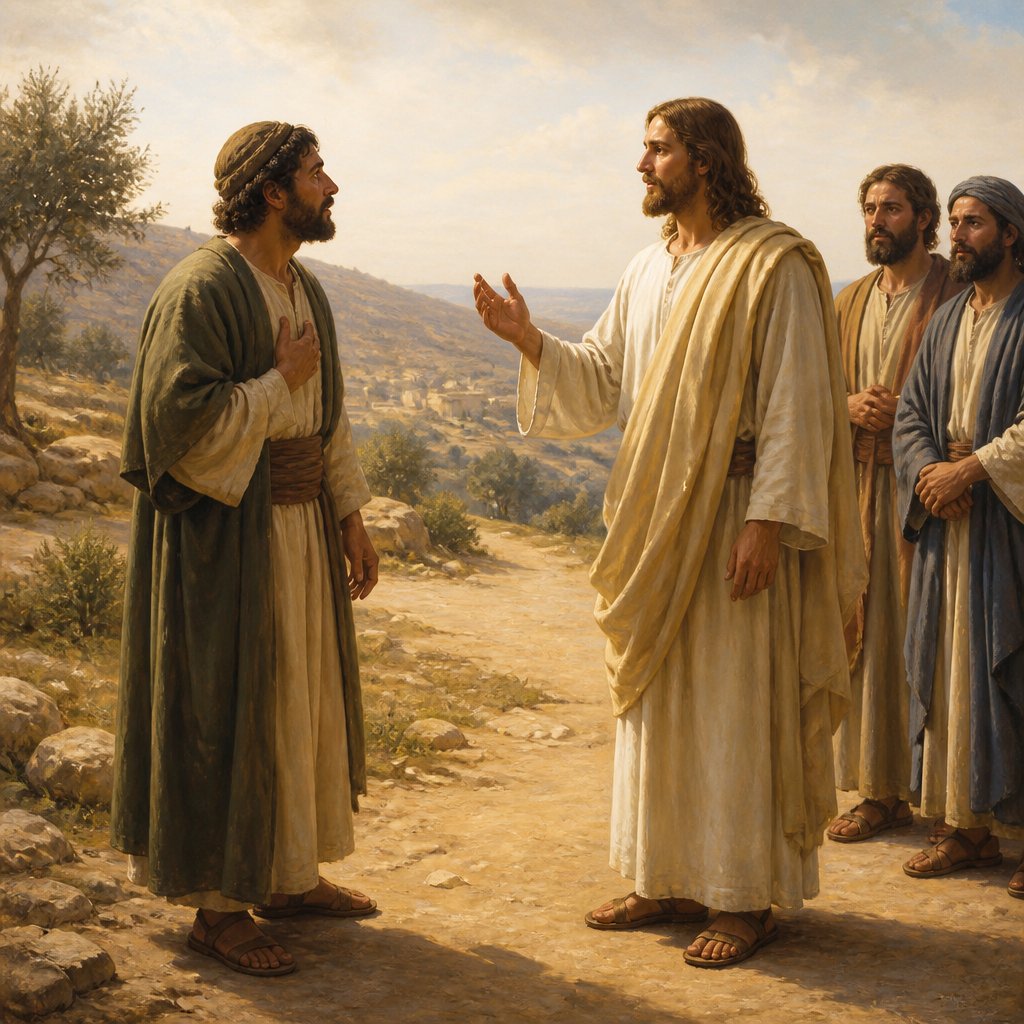
Matthew 19:16-17 in the King James Version reads: "And, behold, one came and said unto him, Good Master, what good thing shall I do, that I may have eternal life? And he said unto him, Why callest thou me good? there is none good but one, that is, God: but if thou wilt enter into life, keep the commandments."
This passage of scripture is both profound and challenging, as it captures a pivotal moment in Jesus' ministry and contains timeless wisdom that continues to speak to the hearts of believers today. In this passage, a young man comes to Jesus seeking the key to obtaining eternal life. The fact that this young man approaches Jesus and addresses him as "Good Master" reveals the level of reverence and respect he holds for Jesus as a teacher and spiritual authority.
The young man's question about what good thing he should do to obtain eternal life is a reflection of the prevalent belief at the time that eternal life could be earned through the performance of good deeds and the observance of religious laws. This mindset was deeply ingrained in the religious culture of the day, and the young man's inquiry reflects the human tendency to seek assurance of salvation through one's own efforts and achievements.
Jesus' response to the young man's question is both revealing and challenging. He first questions the young man's use of the title "Good Master", pointing out that only God is truly good. This assertion not only serves to highlight the divine nature of Jesus as the Son of God, but also challenges the young man to reconsider his perception of goodness and righteousness.
Following this, Jesus directs the young man's attention to the commandments as the pathway to eternal life. By emphasizing the importance of keeping the commandments, Jesus underscores the vital role of obedience to God's law in the pursuit of righteousness and true worship. At the same time, Jesus' response serves as a reminder that no one can achieve righteousness and eternal life by their own merit or good works alone.
The deeper meaning of this passage lies in its relevance to the broader themes of salvation, faith, and human nature. The young man's quest for eternal life mirrors the universal human longing for spiritual fulfillment and the yearning for assurance of one's standing before God. His approach to Jesus reflects the common tendency to seek spiritual enlightenment through worldly means and religious ritualism.
Jesus' response, on the other hand, challenges the conventional understanding of righteousness and salvation by pointing to the supremacy of God's goodness and the necessity of obedience to His commandments. In doing so, Jesus exposes the insufficiency of human effort and the need for divine grace in the attainment of eternal life.
Moreover, the exchange between Jesus and the young man holds symbolic significance as it underscores the central message of the gospel – that eternal life is a gift of God's grace, received through faith in Christ and demonstrated through obedience to His commandments. It serves as a reminder that true righteousness and spiritual wholeness cannot be achieved through human striving, but are made possible through the redemptive work of Christ and the transformative power of the Holy Spirit.
In the broader context of Matthew's gospel, this passage also highlights the tension between religious legalism and the liberating truth of the gospel. Throughout his ministry, Jesus consistently challenged the prevailing religious norms and legalistic interpretations of the law, emphasizing the importance of inward transformation and genuine relationship with God.
In conclusion, Matthew 19:16-17 encapsulates profound truths about the nature of salvation, the human quest for spiritual fulfillment, and the divine standards of righteousness. Through this encounter with the young man, Jesus invites believers to reexamine their understanding of goodness, righteousness, and eternal life, and to recognize the futility of seeking salvation apart from God's grace and the redemptive work of Christ. This timeless message continues to resonate with believers today, calling them to embrace the gift of salvation offered through faith in Jesus and obedience to His commands.
Have questions about Matthew 19:16-17?
Dive deeper into this scripture with Bible Chat — an AI-powered tool for exploring God's Word through conversation. Ask questions, get context, and grow in your understanding of the Bible.
Get Our Apps


Matthew 19:16-17 Artwork

Matthew 19:16-17

Matthew 19:16-17 - "Just then a man came up to Jesus and asked, “Teacher, what good thing must I do to get eternal life?” “Why do you ask me about what is good?” Jesus replied. “There is only One who is good. If you want to enter life, keep the commandments.”"
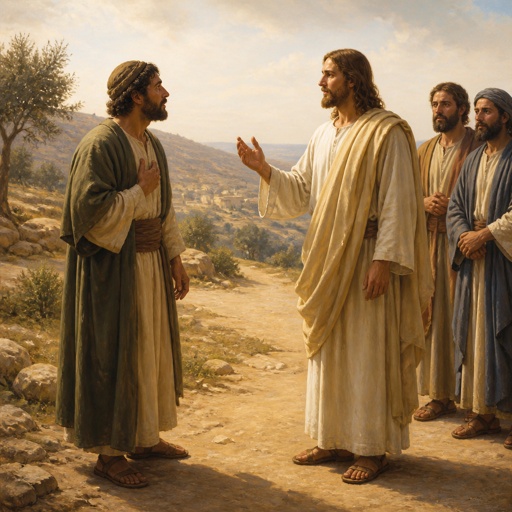
"Just then a man came up to Jesus and asked, “Teacher, what good thing must I do to get eternal life?” “Why do you ask me about what is good?” Jesus replied. “There is only One who is good. If you want to enter life, keep the commandments.”" - Matthew 19:16-17

Matthew 17:16 - "And I brought him to thy disciples, and they could not cure him."

Matthew 17:19 - "Then came the disciples to Jesus apart, and said, Why could not we cast him out?"

"And I will give unto thee the keys of the kingdom of heaven: and whatsoever thou shalt bind on earth shall be bound in heaven: and whatsoever thou shalt loose on earth shall be loosed in heaven." - Matthew 16:19

Matthew 19:16 - "¶ And, behold, one came and said unto him, Good Master, what good thing shall I do, that I may have eternal life?"

Matthew 19:17 - "And he said unto him, Why callest thou me good? there is none good but one, that is, God: but if thou wilt enter into life, keep the commandments."
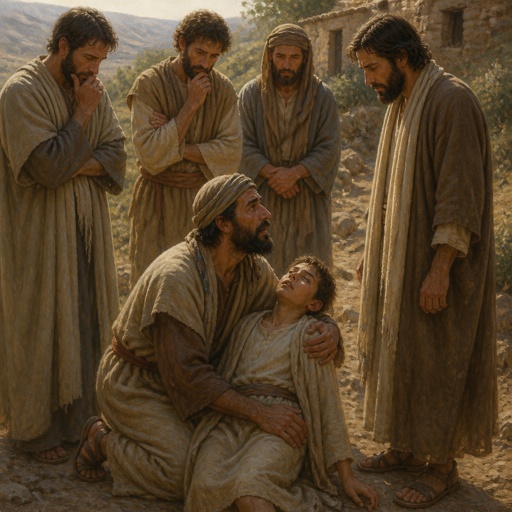
"And I brought him to thy disciples, and they could not cure him." - Matthew 17:16

"Then came the disciples to Jesus apart, and said, Why could not we cast him out?" - Matthew 17:19

Matthew 16:17 - "And Jesus answered and said unto him, Blessed art thou, Simon Bar-jona: for flesh and blood hath not revealed it unto thee, but my Father which is in heaven."

Matthew 16:19 - "And I will give unto thee the keys of the kingdom of heaven: and whatsoever thou shalt bind on earth shall be bound in heaven: and whatsoever thou shalt loose on earth shall be loosed in heaven."

"Then came the disciples to Jesus apart, and said, Why could not we cast him out?" - Matthew 17:19

Matthew 11:16-17 - "But to what shall I compare this generation? It is like children sitting in the marketplaces and calling to their playmates, 'We played the flute for you, and you did not dance; we sang a dirge, and you did not mourn.'"

Proverbs 6:16-19 (KJVA) 16 These six things doth the LORD hate: yea, seven are an abomination unto him: 17 A proud look, a lying tongue, and hands that shed innocent blood, 18 An heart that deviseth wicked imaginations, feet that be swift in running to mischief, 19 A false witness that speaketh lies, and he that soweth discord among brethren.

Proverbs 6:16-19 (KJVA) 16 These six things doth the LORD hate: yea, seven are an abomination unto him: 17 A proud look, a lying tongue, and hands that shed innocent blood, 18 An heart that deviseth wicked imaginations, feet that be swift in running to mischief, 19 A false witness that speaketh lies, and he that soweth discord among brethren.
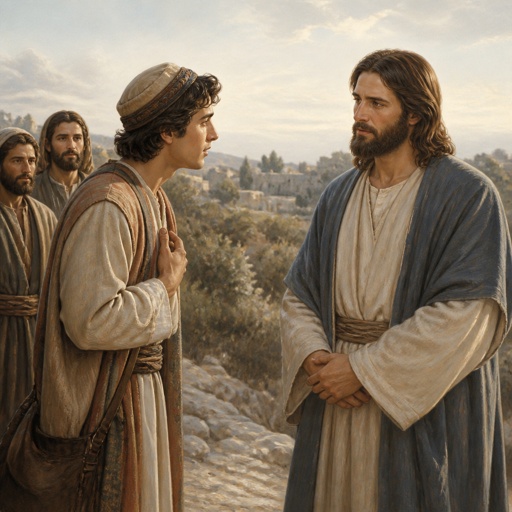
"¶ And, behold, one came and said unto him, Good Master, what good thing shall I do, that I may have eternal life?" - Matthew 19:16

Matthew 17:17-18

Matthew 17:17-18

Matthew 3:16

matthew 28:19

Matthew 19:26

matthew 28:19

Matthew 3:16

Matthew 3:16

Matthew 17:20

Matthew 6:17

Matthew 17:20

Luke 10:17-19

Matthew 19:13