What does Matthew 17:12 mean?
"But I say unto you, That Elias is come already, and they knew him not, but have done unto him whatsoever they listed. Likewise shall also the Son of man suffer of them." - Matthew 17:12
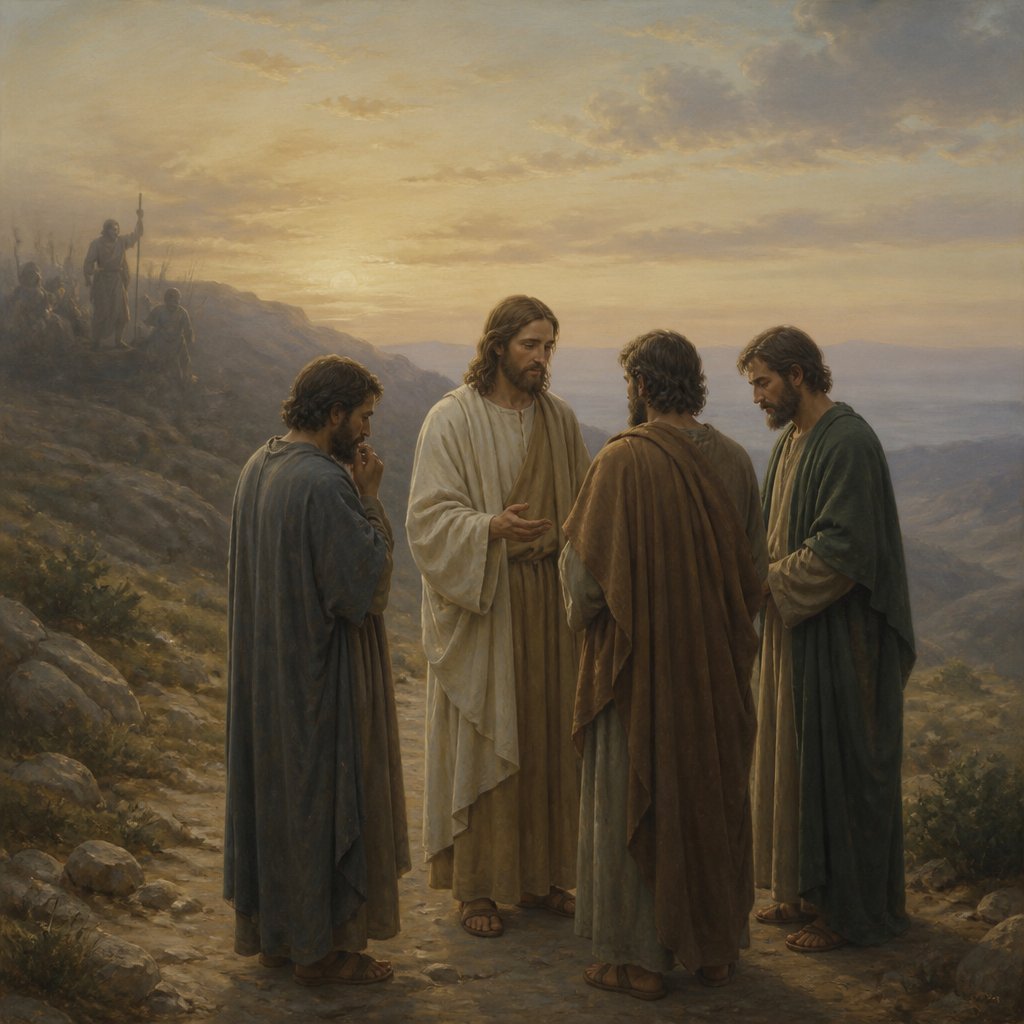
Matthew 17:12 in the King James Version of the Bible states, "But I say unto you, That Elias is come already, and they knew him not, but have done unto him whatsoever they listed. Likewise shall also the Son of man suffer of them."
This verse is part of a larger passage in the New Testament, which describes the transfiguration of Jesus. In this event, Jesus takes Peter, James, and John up onto a high mountain, where he is transfigured into a glorified state, and Moses and Elijah appear and talk with him (Matthew 17:1-9). As they are descending the mountain, the disciples ask Jesus about a prophecy from the Old Testament that Elijah would come before the Messiah (Malachi 4:5). Jesus responds with the verse in question, speaking about the coming of Elijah and the suffering that the Son of Man (Jesus himself) will endure.
The verse has several important themes, including prophecy, fulfillment, suffering, and the misunderstanding of the people. The prophecy of the coming of Elijah before the Messiah had been a topic of much discussion and anticipation among the Jews. Many had expected a literal return of Elijah before the arrival of the Messiah. Jesus, in responding to his disciples, refers to John the Baptist as the fulfillment of the prophecy concerning the return of Elijah. John the Baptist came in the spirit and power of Elijah, fulfilling the prophecy in Malachi and preparing the way for the ministry of Jesus (Matthew 11:14).
The verse also emphasizes the theme of suffering, as Jesus speaks about how the Son of Man will suffer at the hands of the people, paralleling the suffering that John the Baptist also experienced. This points to the imminent crucifixion and death of Jesus, which was a central aspect of his mission on earth and the means by which he achieved salvation for humanity. The suffering of the Son of Man is a significant theme throughout the New Testament, and this verse foreshadows the events that would come to pass in Jesus' crucifixion and resurrection.
Another important theme in this verse is the idea of misunderstanding and rejection. Jesus mentions that the people did not recognize or understand the true identity and mission of John the Baptist, and similarly, they would not recognize or understand the true nature of the Son of Man. This points to the spiritual blindness and hardness of heart that often prevents people from recognizing the work of God and the fulfillment of prophecies.
In terms of context, this verse is situated within the broader narrative of the gospel of Matthew, which portrays Jesus as the fulfillment of the Old Testament prophecies and the promised Messiah. The transfiguration event, which precedes this verse, serves as a powerful demonstration of Jesus' divinity and his connection to the Old Testament figures of Moses and Elijah. This verse reinforces the connection between Jesus, John the Baptist, and the prophecies of the Old Testament, highlighting the continuity of God's plan of salvation throughout history.
Symbolically, the verse conveys the idea of continuity and fulfillment, as Jesus affirms the fulfillment of the prophecy regarding the coming of Elijah and his own impending suffering. It also highlights the theme of rejection and misunderstanding, as the people fail to recognize the true significance of the prophets and ultimately reject Jesus himself.
In conclusion, Matthew 17:12 is a verse that contains rich thematic and theological significance. It speaks to the fulfillment of Old Testament prophecies, the suffering of the Son of Man, and the tendency of people to misunderstand and reject the work of God. As part of the larger narrative of the gospel of Matthew, this verse contributes to the portrait of Jesus as the fulfillment of God's plan of salvation and the long-awaited Messiah.
Have questions about Matthew 17:12?
Dive deeper into this scripture with Bible Chat — an AI-powered tool for exploring God's Word through conversation. Ask questions, get context, and grow in your understanding of the Bible.
Get Our Apps


Matthew 17:12 Artwork

Matthew 17:12 - "But I say unto you, That Elias is come already, and they knew him not, but have done unto him whatsoever they listed. Likewise shall also the Son of man suffer of them."
"But I say unto you, That Elias is come already, and they knew him not, but have done unto him whatsoever they listed. Likewise shall also the Son of man suffer of them." - Matthew 17:12

Matthew 12:17 - "That it might be fulfilled which was spoken by Esaias the prophet, saying,"
"That it might be fulfilled which was spoken by Esaias the prophet, saying," - Matthew 12:17

Matthew 17:17-18

Matthew 17:17-18

Matthew 17:20

Matthew 6:17

Matthew 17:20

Matthew 3:11-12

Matthew 19:16-17

Matthew 6:17-18

Matthew 17:14-21

Matthew 17:14-15

Matthew 3:13-17

Matthew 3:11-12

Matthew 3:12

Matthew 3:12

Matthew 23:12

Matthew 7:12

Matthew 23:12

Matthew 7:12

Matthew 3:12

Matthew 2:17 - "Then was fulfilled that which was spoken by Jeremy the prophet, saying,"

Matthew 17:21 - "Howbeit this kind goeth not out but by prayer and fasting."

Genesis 17-12

Matthew 2:1-12

Matthew 12:36-37

Matthew 5:1 a 12

Matthew 5:8-12