What does Matthew 16:14 mean?
"And they said, Some say that thou art John the Baptist: some, Elias; and others, Jeremias, or one of the prophets." - Matthew 16:14
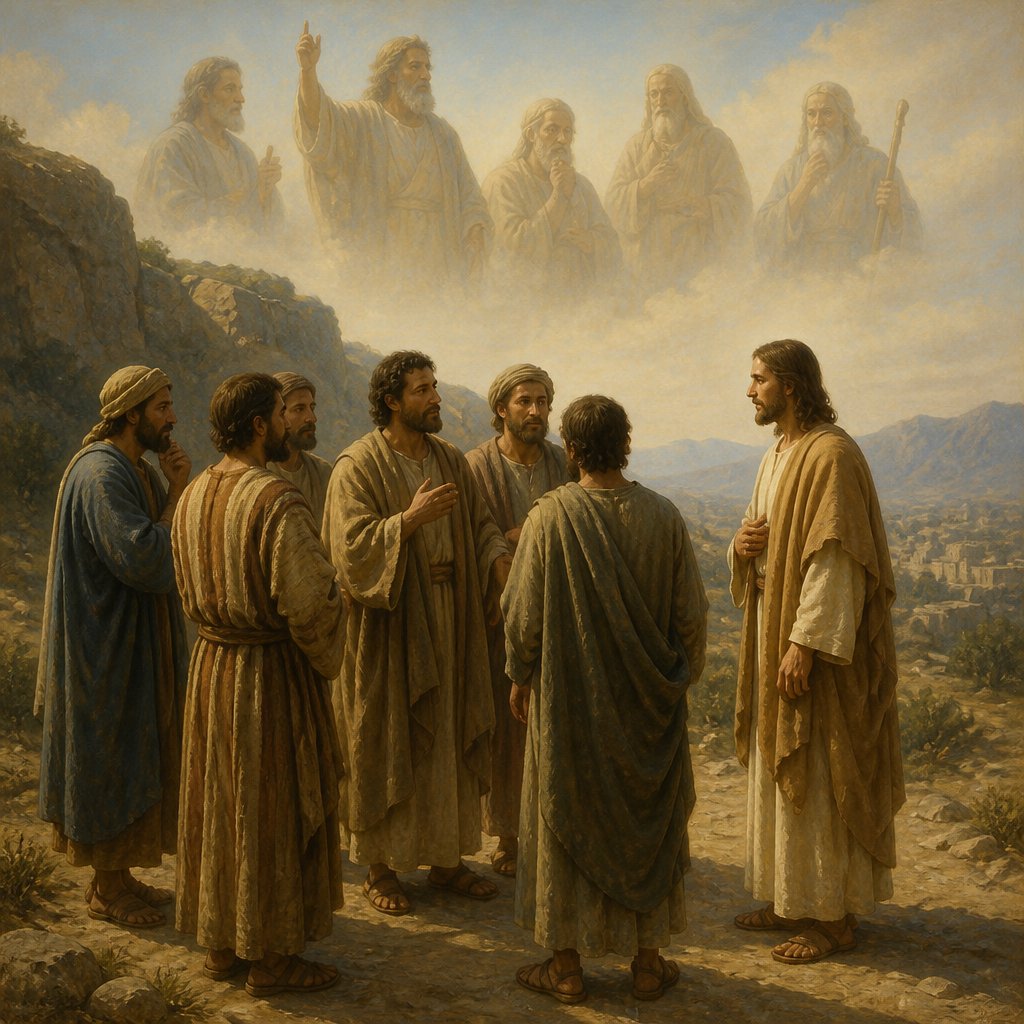
Matthew 16:14 in the King James Version of the Bible reads, "And they said, Some say that thou art John the Baptist: some, Elias; and others, Jeremias, or one of the prophets." This verse comes from a passage in the New Testament where Jesus asks His disciples who people say He is. This question serves as a key moment in Jesus’ ministry, prompting His disciples to consider His identity and their own beliefs.
The context of this verse is critical to understanding its meaning. In the preceding verses, Jesus and His disciples are in the region of Caesarea Philippi, and Jesus asks His disciples who people say the Son of Man is. The disciples report the various opinions about Jesus’ identity – that some think He is John the Baptist, others think He is Elijah, Jeremiah, or one of the prophets. Jesus then turns to His disciples and asks them directly, "But whom say ye that I am?" (Matthew 16:15, KJV).
The question of Jesus' identity is central to the narrative of the Gospel of Matthew. Throughout the Gospels, Jesus’ identity is a key theme – who He is, His purpose, and the nature of His ministry. In this passage, Jesus is not only asking the disciples to consider who the people say He is, but also to confess their own faith in Him. Peter, speaking on behalf of the disciples, responds in the next verse, "Thou art the Christ, the Son of the living God" (Matthew 16:16, KJV).
The themes present in this verse include the recognition of Jesus as the promised Messiah and the Son of God. The disciples' differing opinions about Jesus' identity reflect the confusion and uncertainty that surrounded Jesus during His ministry. Some compared Him to John the Baptist, who had been beheaded, while others compared Him to the great prophets Elijah and Jeremiah. In Jewish tradition, it was believed that Elijah or one of the prophets would return before the coming of the Messiah, so the people's opinions suggest that they recognized Jesus' significance but were uncertain about His true identity.
The symbolism in this verse is rich and multilayered. Firstly, the mention of John the Baptist, a figure known for his fiery preaching and call to repentance, could signify that some people saw Jesus as a prophet or a preacher of righteousness. The reference to Elijah and Jeremiah could symbolize the belief that Jesus was a messianic figure or a restorer of Israel's fortunes, as both Elijah and Jeremiah were associated with the restoration of Israel in Jewish tradition.
Furthermore, the variety of opinions about Jesus' identity at that time highlights the diversity of beliefs and expectations regarding the Messiah among the Jewish people. Some expected a political deliverer who would overthrow the Roman occupation, while others longed for a spiritual leader who would bring about a renewal of faith and an era of justice and righteousness.
Overall, Matthew 16:14 is a pivotal verse in the Gospel of Matthew because it marks a turning point in Jesus' ministry. It challenges both the disciples and the readers to consider who Jesus is and to confess their own faith in Him. The varying opinions about Jesus' identity reflect the uncertainty and diversity of beliefs that surrounded Him, while also hinting at the deeper significance of His role as the promised Messiah and the Son of God.
Have questions about Matthew 16:14?
Dive deeper into this scripture with Bible Chat — an AI-powered tool for exploring God's Word through conversation. Ask questions, get context, and grow in your understanding of the Bible.
Get Our Apps


Matthew 16:14 Artwork

Matthew 16:14 - "And they said, Some say that thou art John the Baptist: some, Elias; and others, Jeremias, or one of the prophets."

"And they said, Some say that thou art John the Baptist: some, Elias; and others, Jeremias, or one of the prophets." - Matthew 16:14

Matthew 14:16 - "But Jesus said unto them, They need not depart; give ye them to eat."

Sermon on the mount Matthew 5 14-16 Let your light shine

"But Jesus said unto them, They need not depart; give ye them to eat." - Matthew 14:16

Matthew 3:16

Matthew 3:16

Matthew 3:16

Matthew 7:13-14

Matthew 7:13-14

Matthew 7:13-14

Matthew 7:13-14

Matthew 7:13-14

Matthew 7:13-14

Matthew 7:13-14

Matthew 16:25

Matthew 7:13-14

Matthew 7:13-14

Matthew 7:13-14

Matthew 7:13-14

Matthew 16:16 - "And Simon Peter answered and said, Thou art the Christ, the Son of the living God."

Matthew 5:14

Matthew 6:14

Matthew 5:14

matthew 2:14

Matthew 7:13-14

Matthew 7:13-14

Matthew 7:13-14

Matthew 7:13-14

Matthew 7:13-14