What does Matthew 16:10 mean?
"Neither the seven loaves of the four thousand, and how many baskets ye took up?" - Matthew 16:10
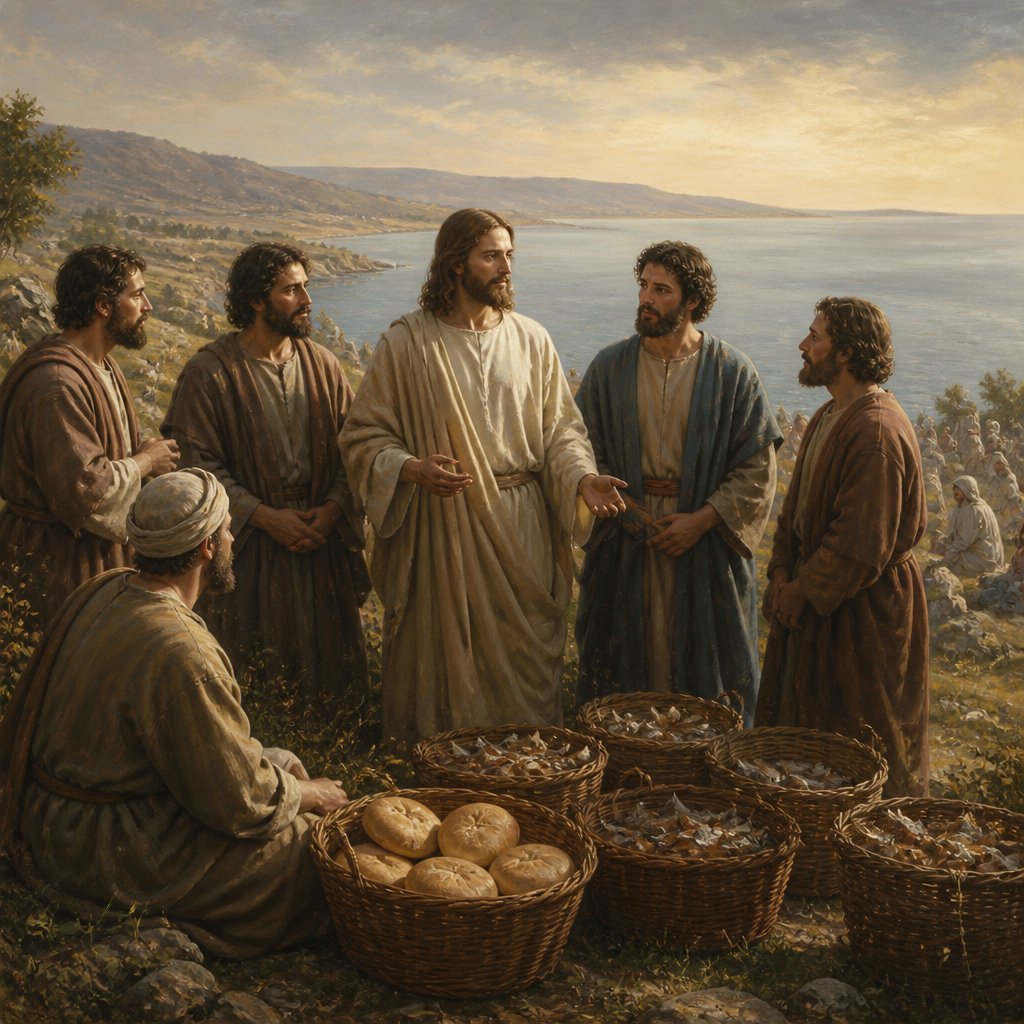
The Bible verse Matthew 16:10 from the King James Version (KJV) states: "Neither the seven loaves of the four thousand, and how many baskets ye took up?" This verse is part of a larger passage in which Jesus is addressing his disciples after they had witnessed him perform the miracle of feeding the four thousand with just seven loaves of bread and a few small fish.
In this verse, Jesus is challenging his disciples to reflect on the miracles they have just witnessed. He is asking them to consider the significance of the seven loaves of bread and the abundance of baskets of leftovers that were collected after the crowd had been fed. Jesus is using this question to prompt his disciples to think about the deeper meaning behind the miracles, and to strengthen their faith in his divine power.
The context of this verse is important for understanding its deeper significance. Prior to this event, Jesus had already performed the miracle of feeding five thousand with just five loaves of bread and two fish. In that instance, there were twelve baskets of leftovers collected, symbolizing the twelve disciples and the abundance of God's provision. Now, with the feeding of the four thousand, the disciples were witnesses to yet another miraculous provision, this time with seven loaves and an abundance of baskets collected as well.
The theme of abundance and provision is central to this verse. Throughout the Bible, food and bread are often used as symbols of God's provision for his people. In this instance, the seven loaves of bread serve as a symbol of God's abundant provision, and the baskets of leftovers represent his overflowing blessing. Jesus is challenging his disciples to recognize and appreciate the abundance of God's provision in their lives, and to have faith in his ability to provide for their needs.
Another important theme in this verse is faith. Jesus is using the miracles of the feeding of the five thousand and the four thousand to strengthen the faith of his disciples. By asking them to reflect on the significance of these miracles, Jesus is encouraging them to deepen their understanding of his divine power and to trust in his ability to provide for them. This theme of faith and trust in God's provision is a recurring theme throughout the Bible and is emphasized in this verse.
The symbolism in this verse is also significant. The number seven often represents completeness or perfection in the Bible, and the seven loaves of bread can be seen as a symbol of God's perfect provision. The collection of baskets of leftovers further emphasizes this theme of abundance and God's overflowing blessings. The disciples' experience of witnessing these miracles serves as a powerful reminder of God's faithfulness and ability to provide for their needs.
In conclusion, Matthew 16:10 from the King James Version of the Bible is a powerful and thought-provoking verse that challenges readers to reflect on the significance of the miracles of Jesus. It emphasizes the themes of abundance, provision, faith, and the symbolism of God's overflowing blessings. This verse serves as a reminder of God's faithfulness and his ability to provide for his people, and encourages believers to have faith in his divine power.
Have questions about Matthew 16:10?
Dive deeper into this scripture with Bible Chat — an AI-powered tool for exploring God's Word through conversation. Ask questions, get context, and grow in your understanding of the Bible.
Get Our Apps


Matthew 16:10 Artwork

Matthew 16:10 - "Neither the seven loaves of the four thousand, and how many baskets ye took up?"
"Neither the seven loaves of the four thousand, and how many baskets ye took up?" - Matthew 16:10

Matthew 10:16 - "¶ Behold, I send you forth as sheep in the midst of wolves: be ye therefore wise as serpents, and harmless as doves."

Matthew 10:16 “Behold, I send you out as sheep in the midst of wolves. Therefore be wise as serpents and harmless as doves

Matthew 3:16

Matthew 3:16

Matthew 3:16

matthew 15 matthew 15:10

Matthew 16:25
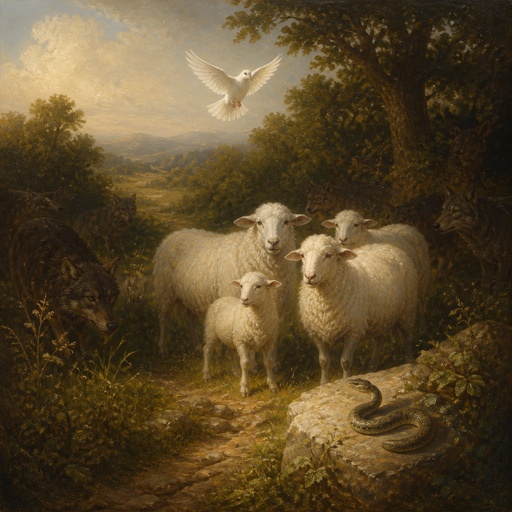
"¶ Behold, I send you forth as sheep in the midst of wolves: be ye therefore wise as serpents, and harmless as doves." - Matthew 10:16

Matthew 16:16 - "And Simon Peter answered and said, Thou art the Christ, the Son of the living God."

Matthew 1:10

Matthew 18:10

Matthew 1:10

Matthew 19:16-17

Matthew 4:10

Matthew 27:16 - "And they had then a notable prisoner, called Barabbas."

Matthew 10:3 - "Philip, and Bartholomew; Thomas, and Matthew the publican; James the son of Alphaeus, and Lebbaeus, whose surname was Thaddaeus;"

for the workman is worthy his meat Matthew 10:10

for the workman is worthy of his meat Matthew 10:10

for the workman is worthy of his meat Matthew 10:10

for the workman is worthy of his meat Matthew 10:10

for the disciple is worthy of his meat Matthew 10:10

for the workman is worthy of his meat Matthew 10:10

for the workman is worthy of his meat Matthew 10:10

Matthew 12:16 - "And charged them that they should not make him known:"

Matthew 24:16 - "Then let them which be in Judaea flee into the mountains:"

Matthew 13:16 - "But blessed are your eyes, for they see: and your ears, for they hear."

Matthew 1:1-16 Jesus geneology.

Matthew 10:2…Matthew 10:2 These are the names of the twelve apostles: first, Simon (who is called Peter) and his brother Andrew; James son of Zebedee, and his brother John