What does Matthew 15:31 mean?
"Insomuch that the multitude wondered, when they saw the dumb to speak, the maimed to be whole, the lame to walk, and the blind to see: and they glorified the God of Israel." - Matthew 15:31
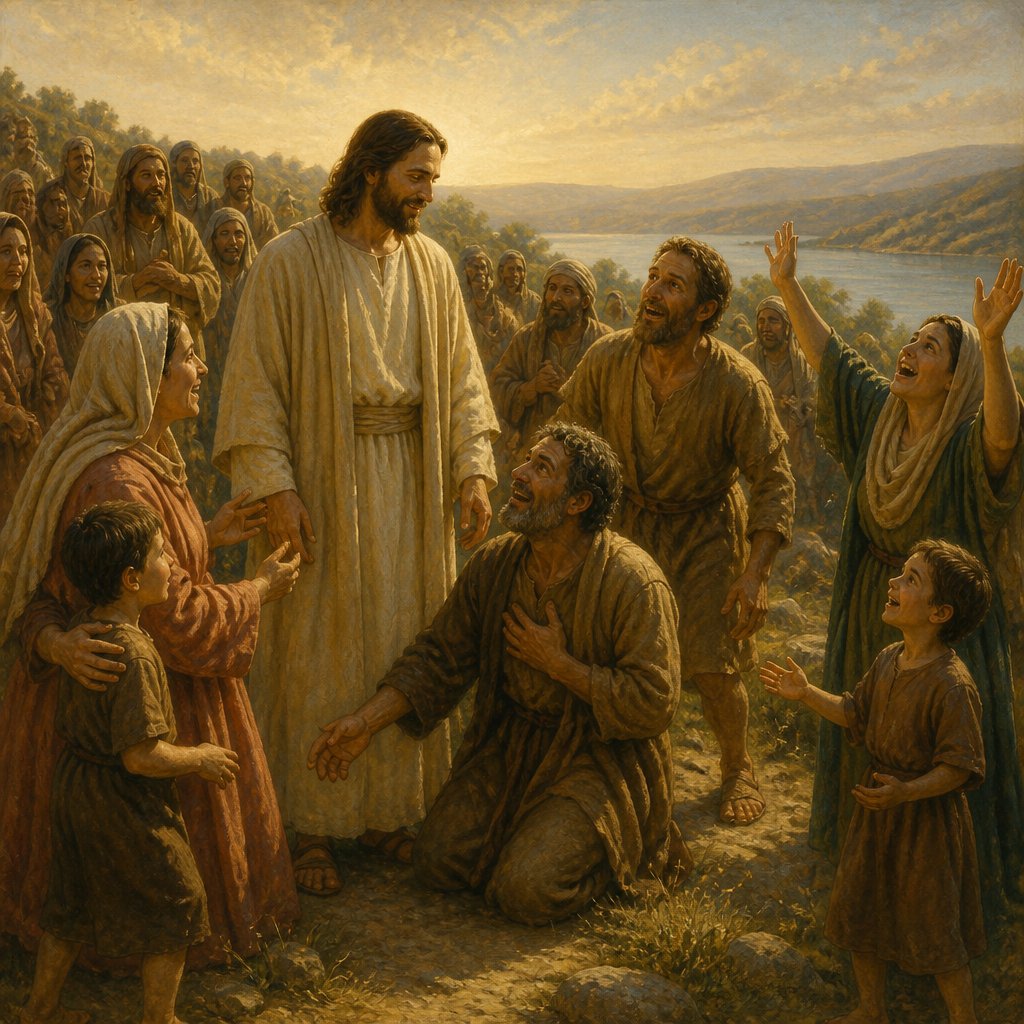
The Bible verse Matthew 15:31 from the King James Version (KJV) reads, "Insomuch that the multitude wondered, when they saw the dumb to speak, the maimed to be whole, the lame to walk, and the blind to see: and they glorified the God of Israel." This verse is found in the context of Jesus healing many people who were suffering from various ailments and disabilities. It is part of a larger passage where Jesus demonstrates his compassion and power by healing the sick and performing miracles.
The immediate context of this verse is important in understanding its significance. Earlier in the chapter, Jesus engages in a debate with the Pharisees and scribes about the tradition of the elders and the importance of keeping God's commandments. Jesus uses this opportunity to teach his disciples and the crowds about the true nature of defilement, emphasizing that what defiles a person comes from within, from the heart, rather than from external sources. He explains that it is what comes out of the mouth that defiles a person, and proceeds to teach about faith and healing.
In this verse, the phrase "Insomuch that the multitude wondered" indicates the astonishment and amazement of the people witnessing these miraculous healings. The impact of Jesus' healing ministry was so profound that the crowd was left in awe and wonder. The specific miracles mentioned in the verse – the dumb speaking, the maimed being made whole, the lame walking, and the blind seeing – depict the diversity of the healings that Jesus performed. These miracles exemplify the power and compassion of Jesus as the divine healer who is able to restore and transform lives. The reaction of the crowd – glorifying the God of Israel – is a response of praise and acknowledgment of the divine source of these miraculous acts.
This verse holds several important themes that are prevalent throughout the Gospel of Matthew. First and foremost, it demonstrates the power and authority of Jesus as the Son of God. The miracles performed by Jesus illustrate his divine nature and his ability to heal and restore lives. These miracles are a demonstration of the kingdom of God breaking into the world, bringing restoration and wholeness. Additionally, the theme of faith is also evident in this verse. The crowd's response to the miraculous healings reflects a recognition of the power of God at work through Jesus, inspiring a response of awe, wonder, and praise.
Symbolically, the healing miracles in this verse represent the spiritual healing and restoration that Jesus brings to individuals. The healing of the dumb signifies the restoration of speech and communication, while the healing of the maimed represents physical wholeness. The lame walking and the blind seeing are symbolic of the restoration of mobility and sight, bringing about a sense of freedom and independence. These physical healings also serve as a metaphor for the spiritual healing and restoration that Jesus brings to those who are spiritually broken, blind, or deaf.
Overall, Matthew 15:31 conveys a message of hope, faith, and the transformative power of Jesus' healing ministry. The miracles performed by Jesus serve as a profound demonstration of his divine nature and the compassionate love of God. This verse continues to inspire and encourage believers to trust in the power of Jesus to bring about healing and restoration, both physically and spiritually.
Have questions about Matthew 15:31?
Dive deeper into this scripture with Bible Chat — an AI-powered tool for exploring God's Word through conversation. Ask questions, get context, and grow in your understanding of the Bible.
Get Our Apps


Matthew 15:31 Artwork

Matthew 15:31 - "Insomuch that the multitude wondered, when they saw the dumb to speak, the maimed to be whole, the lame to walk, and the blind to see: and they glorified the God of Israel."
"Insomuch that the multitude wondered, when they saw the dumb to speak, the maimed to be whole, the lame to walk, and the blind to see: and they glorified the God of Israel." - Matthew 15:31

Matthew 15:29-31 - "Matthew 15:29-31: Jesus left there and went along the Sea of Galilee. Then he went up on a mountainside and sat down. Great crowds came to him, bringing the lame, the blind, the crippled, the mute and many others, and laid them at his feet; and he healed them. The people were amazed when they saw the mute speaking, the crippled made well, the lame walking and the blind seeing. And they praised the God of Israel."

Hosea 3:1-5

matthew 25:31

Matthew 21:31

matthew 15 matthew 15:10

Matthew 24:30-31

Matthew 24:30-31

Matthew 24:30-31

Matthew 24:30-31

Matthew 24:30-31

Matthew 24:30-31

Matthew 24:30-31

Matthew 24:30-31

Matthew 24:30-31

Matthew 24:30-31

Joshua 15:31 - "And Ziklag, and Madmannah, and Sansannah,"

numbers 31:14-15

Matthew 10:31 - "Fear ye not therefore, ye are of more value than many sparrows."

Matthew 9:31 - "But they, when they were departed, spread abroad his fame in all that country."

Acts 15:31 - "Which when they had read, they rejoiced for the consolation."

Proverbs 15:31 - "The ear that heareth the reproof of life abideth among the wise."

Matthew 23:31 - "Wherefore ye be witnesses unto yourselves, that ye are the children of them which killed the prophets."

"And Ziklag, and Madmannah, and Sansannah," - Joshua 15:31

Matthew 26:15

Matthew 26:15

Matthew 15:23

Matthew 24:15

Matthew 15:15 - "Then answered Peter and said unto him, Declare unto us this parable."