What does Matthew 15:1 mean?
"Then came to Jesus scribes and Pharisees, which were of Jerusalem, saying," - Matthew 15:1
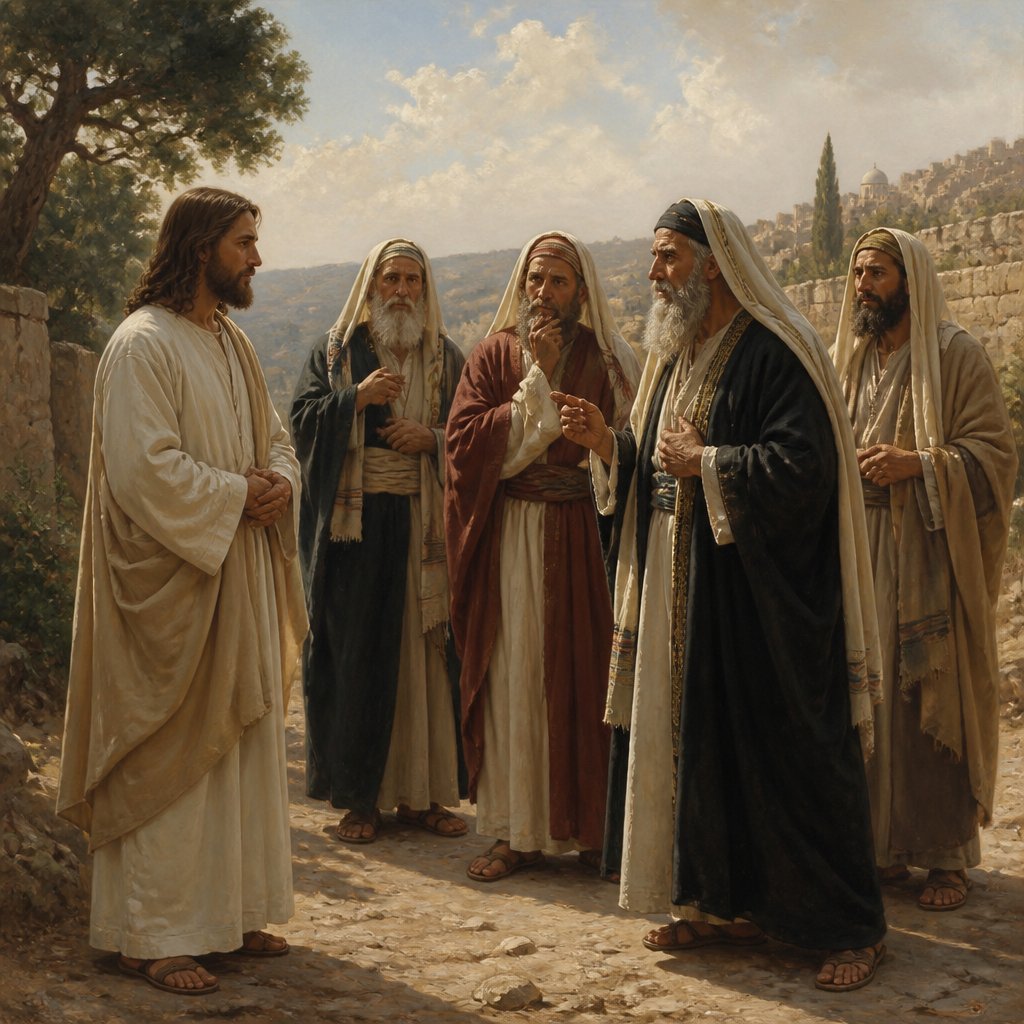
Matthew 15:1 from the King James Version of the Bible reads, "Then came to Jesus scribes and Pharisees, which were of Jerusalem, saying,". This verse is the beginning of a passage in which the religious leaders of the time confront Jesus about his disciples' failure to follow certain traditional practices. As with many passages in the Bible, this verse can be interpreted in a variety of ways, and it is important to consider the historical and cultural context in order to fully understand its meaning and significance.
In this verse, the scribes and Pharisees, who were influential religious figures in Jewish society, are approaching Jesus and questioning him about the behavior of his disciples. This interaction sets the stage for a larger conversation about the differences between religious tradition and true spiritual righteousness. It also demonstrates the ongoing tension between Jesus and the religious authorities of his time.
One of the key themes of this verse is the tension between tradition and true faith. The scribes and Pharisees were concerned that Jesus' disciples were not following the traditional rituals and practices that were considered essential to maintaining religious purity. They were quick to point out the perceived shortcomings of Jesus and his followers, which highlights their focus on external rules and regulations rather than on the inner condition of the heart. This theme of the contrast between external religiosity and internal righteousness is a central theme throughout the teachings of Jesus.
Another important theme in this verse is the conflict between Jesus and the religious establishment. Throughout the gospels, Jesus often clashed with the religious authorities of his time, challenging their interpretations of the law and their understanding of spiritual matters. This verse is just one example of many in which Jesus is confronted by the scribes and Pharisees, and it sets the stage for a larger conversation about the true nature of faith and righteousness.
The context of this verse is also crucial to understanding its significance. At the time of Jesus, the religious leaders were considered to be the ultimate authority on matters of faith and practice. They were the ones who interpreted and enforced the laws and traditions that governed Jewish life. By challenging these authorities, Jesus was taking a bold and controversial stand that ultimately led to his crucifixion.
In terms of symbolism, this verse can be seen as representative of the broader conflict between the old and the new. The scribes and Pharisees represent the old way of doing things, the strict adherence to tradition and legalistic interpretation of the law. Jesus, on the other hand, represents a new way, one that emphasizes the spirit of the law over the letter, and focuses on the condition of the heart rather than external observances.
In conclusion, Matthew 15:1 is a pivotal verse that sets the stage for a larger conversation about the nature of faith, righteousness, and the conflict between tradition and true spirituality. The tension between Jesus and the religious authorities of his time is on full display in this verse, and its themes of tradition, conflict, and symbolism are crucial to understanding the broader message of Jesus' teachings.
Have questions about Matthew 15:1?
Dive deeper into this scripture with Bible Chat — an AI-powered tool for exploring God's Word through conversation. Ask questions, get context, and grow in your understanding of the Bible.
Get Our Apps


Matthew 15:1 Artwork

Matthew 15 : 1-20

Matthew 15:1 - "Then came to Jesus scribes and Pharisees, which were of Jerusalem, saying,"
"Then came to Jesus scribes and Pharisees, which were of Jerusalem, saying," - Matthew 15:1

Matthew 1:15 - "And Eliud begat Eleazar; and Eleazar begat Matthan; and Matthan begat Jacob;"

matthew 15 matthew 15:10
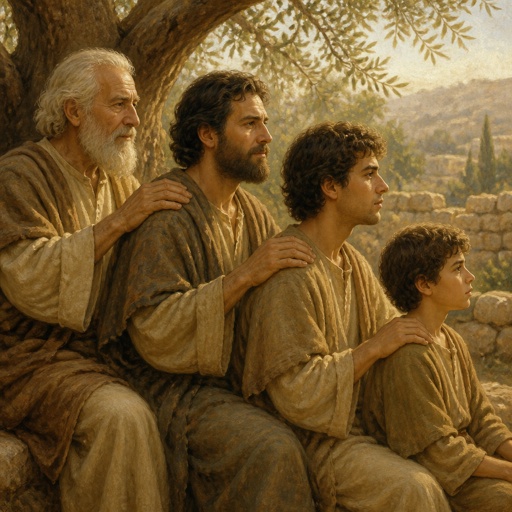
"And Eliud begat Eleazar; and Eleazar begat Matthan; and Matthan begat Jacob;" - Matthew 1:15

Matthew 26:15

Matthew 26:15

Matthew 15:23

Matthew 24:15

Matthew 15:15 - "Then answered Peter and said unto him, Declare unto us this parable."

Matthew 5:15

Matthew 15:23

Matthew 5:15

Matthew 17:14-15

Matthew 15:35 - "And he commanded the multitude to sit down on the ground."

Matthew 11:15 - "He that hath ears to hear, let him hear."

Matthew 15:16 - "And Jesus said, Are ye also yet without understanding?"

Matthew 19:15 - "And he laid his hands on them, and departed thence."

Matthew 15:21 - "¶ Then Jesus went thence, and departed into the coasts of Tyre and Sidon."

Matthew 15:9 - "But in vain they do worship me, teaching for doctrines the commandments of men."

Matthew 15:7 - "Ye hypocrites, well did Esaias prophesy of you, saying,"

Luke 6:15 - "Matthew and Thomas, James the son of Alphaeus, and Simon called Zelotes,"

Matthew 15:25 - "Then came she and worshipped him, saying, Lord, help me."

Matthew 15:10 - "¶ And he called the multitude, and said unto them, Hear, and understand:"

Matthew 15:38 - "And they that did eat were four thousand men, beside women and children."

Matthew 15:20 - "These are the things which defile a man: but to eat with unwashen hands defileth not a man."

Matthew 15:39 - "And he sent away the multitude, and took ship, and came into the coasts of Magdala."

Matthew 15:26 - "But he answered and said, It is not meet to take the children's bread, and to cast it to dogs."

Matthew 16:15 - "He saith unto them, But whom say ye that I am?"