What does Matthew 13:43 mean?
"Then shall the righteous shine forth as the sun in the kingdom of their Father. Who hath ears to hear, let him hear." - Matthew 13:43
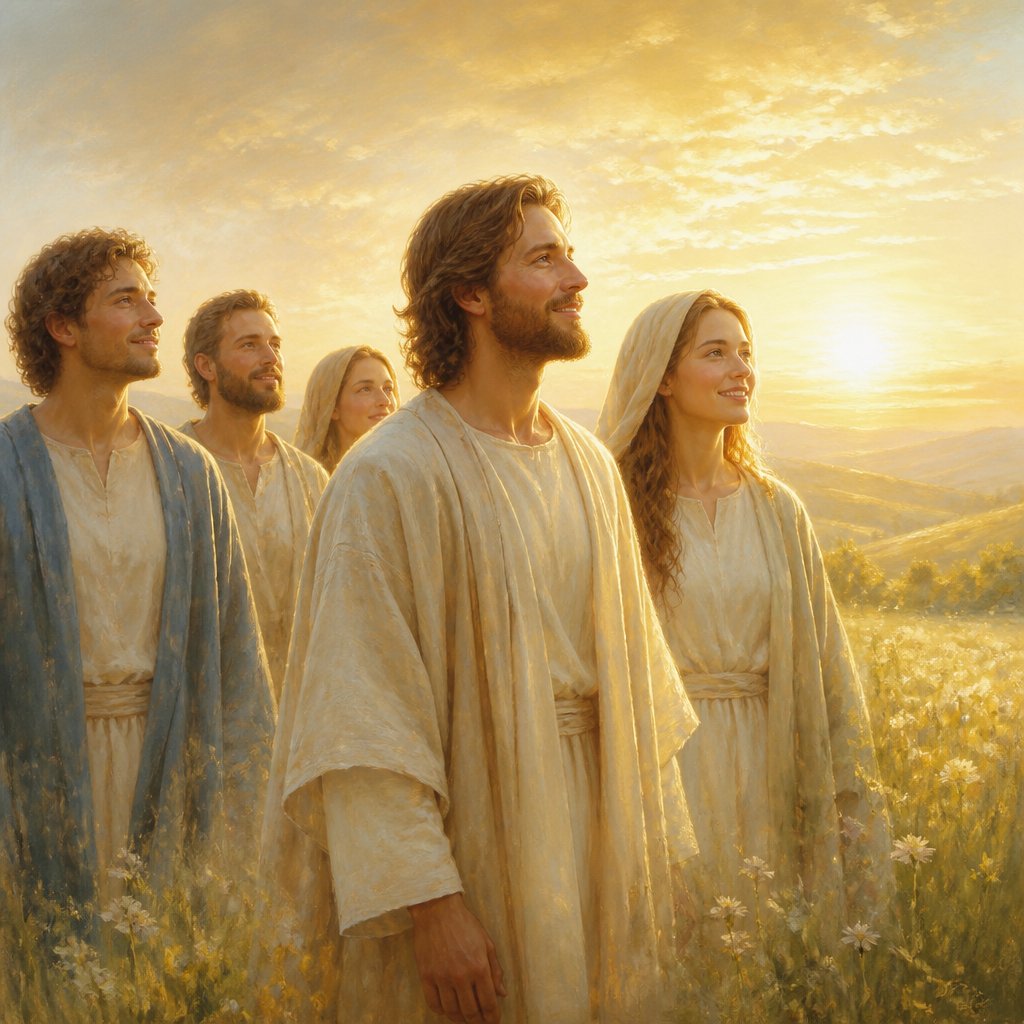
Matthew 13:43 (KJV) states, "Then shall the righteous shine forth as the sun in the kingdom of their Father. Who hath ears to hear, let him hear."
This verse is a part of Jesus' parable of the wheat and the tares, which is found in Matthew 13:24-30 and 36-43. In this parable, Jesus uses the metaphor of a field to illustrate the coexistence of righteousness and wickedness in the world, as well as the final judgment that will separate the two. The specific verse, Matthew 13:43, speaks to the ultimate destiny of the righteous.
The verse begins with the phrase, "Then shall the righteous shine forth as the sun in the kingdom of their Father." This imagery of shining forth like the sun suggests a radiant and glorious transformation of the righteous. It emphasizes not only the purity and brilliance of the righteous but also their visibility and prominence in the kingdom of God. Furthermore, the mention of "the kingdom of their Father" emphasizes the familial relationship between God and the righteous, indicating an intimate and close bond with the Father.
The latter part of the verse, "Who hath ears to hear, let him hear," calls for spiritual discernment and understanding. It speaks to the importance of grasping the deeper spiritual truths embedded in Jesus' teachings. This phrase is a recurring motif in the New Testament, often used by Jesus to prompt his listeners to pay attention and comprehend the spiritual significance of his words.
In the broader context of the parable of the wheat and the tares, Matthew 13:43 serves as the culmination of the narrative, highlighting the ultimate fate of the righteous. The parable itself illustrates the coexistence of good and evil in the present age and the patience of God in allowing both to exist until the final judgment. The separation of the righteous and the wicked is depicted as a harvest, where the wheat (representing the righteous) is gathered into the barn, while the tares (representing the wicked) are gathered and burned.
One of the key themes found in Matthew 13:43 is the concept of eschatological judgment. The verse portrays the ultimate vindication and exaltation of the righteous in the eschaton, where they will shine like the sun in the kingdom of God. This theme underscores the Christian belief in a final reckoning, where God will separate the righteous from the wicked and establish His eternal kingdom.
Furthermore, the verse conveys the motif of reward and retribution based on one's deeds. It emphasizes the future glory and honor that await the righteous as a result of their faithfulness and obedience to God. This echoes the broader Biblical theme of divine recompense, where the righteous are granted blessings and inheritance in the kingdom of God.
Symbolically, the image of the righteous shining forth as the sun evokes a sense of illumination, radiance, and purity. It symbolizes the transformative and glorious nature of the righteous in the presence of God. Additionally, the sun has been traditionally associated with power, authority, and majesty, further emphasizing the exalted status of the righteous in the kingdom of God.
In conclusion, Matthew 13:43 from the King James Version of the Bible encapsulates the eschatological hope and the ultimate vindication of the righteous. It conveys the profound theological themes of divine judgment, reward and retribution, and the glorious transformation of the righteous in the kingdom of God. As a part of Jesus' parable of the wheat and the tares, this verse provides a powerful and evocative portrayal of the future destiny of the righteous in the eschaton.
Have questions about Matthew 13:43?
Dive deeper into this scripture with Bible Chat — an AI-powered tool for exploring God's Word through conversation. Ask questions, get context, and grow in your understanding of the Bible.
Get Our Apps


Matthew 13:43 Artwork

Matthew 13:43 - "Then shall the righteous shine forth as the sun in the kingdom of their Father. Who hath ears to hear, let him hear."

"Then shall the righteous shine forth as the sun in the kingdom of their Father. Who hath ears to hear, let him hear." - Matthew 13:43
"Then shall the righteous shine forth as the sun in the kingdom of their Father. Who hath ears to hear, let him hear." - Matthew 13:43

Acts 13:43

Matthew 26:43 - "And he came and found them asleep again: for their eyes were heavy."

Matthew 13:41-43 - "The Son of Man will send out his angels, and they will weed out of his kingdom everything that causes sin and all who do evil. They will throw them into the blazing furnace, where there will be weeping and gnashing of teeth. Then the righteous will shine like the sun in the kingdom of their Father. Whoever has ears, let them hear."

Matthew 22:43 - "He saith unto them, How then doth David in spirit call him Lord, saying,"

Genesis 43:13 - "Take also your brother, and arise, go again unto the man:"

Matthew 25:43 - "I was a stranger, and ye took me not in: naked, and ye clothed me not: sick, and in prison, and ye visited me not."

Matthew 5:43 - "¶ Ye have heard that it hath been said, Thou shalt love thy neighbour, and hate thine enemy."

Matthew 12:43 - "When the unclean spirit is gone out of a man, he walketh through dry places, seeking rest, and findeth none."

Matthew 27:43 - "He trusted in God; let him deliver him now, if he will have him: for he said, I am the Son of God."

Matthew 21:43 - "Therefore say I unto you, The kingdom of God shall be taken from you, and given to a nation bringing forth the fruits thereof."

Jeremiah 43:13 - "He shall break also the images of Beth-shemesh, that is in the land of Egypt; and the houses of the gods of the Egyptians shall he burn with fire."

Matthew 13

Matthew 24:43 - "But know this, that if the goodman of the house had known in what watch the thief would come, he would have watched, and would not have suffered his house to be broken up."

"And he came and found them asleep again: for their eyes were heavy." - Matthew 26:43

Isaiah 43:13 - "Yea, before the day was I am he; and there is none that can deliver out of my hand: I will work, and who shall let it?"

Matthew 8:13

Matthew 8:13

Matthew 8:13

Matthew 13

Matthew 7:13-14

Matthew 7:13-14

Matthew 7:13-14

Matthew 7:13-14

Matthew 7:13-14

Matthew 7:13-14

Matthew 7:13-14

Matthew 7:13-14