What does Matthew 13:26 mean?
"But when the blade was sprung up, and brought forth fruit, then appeared the tares also." - Matthew 13:26
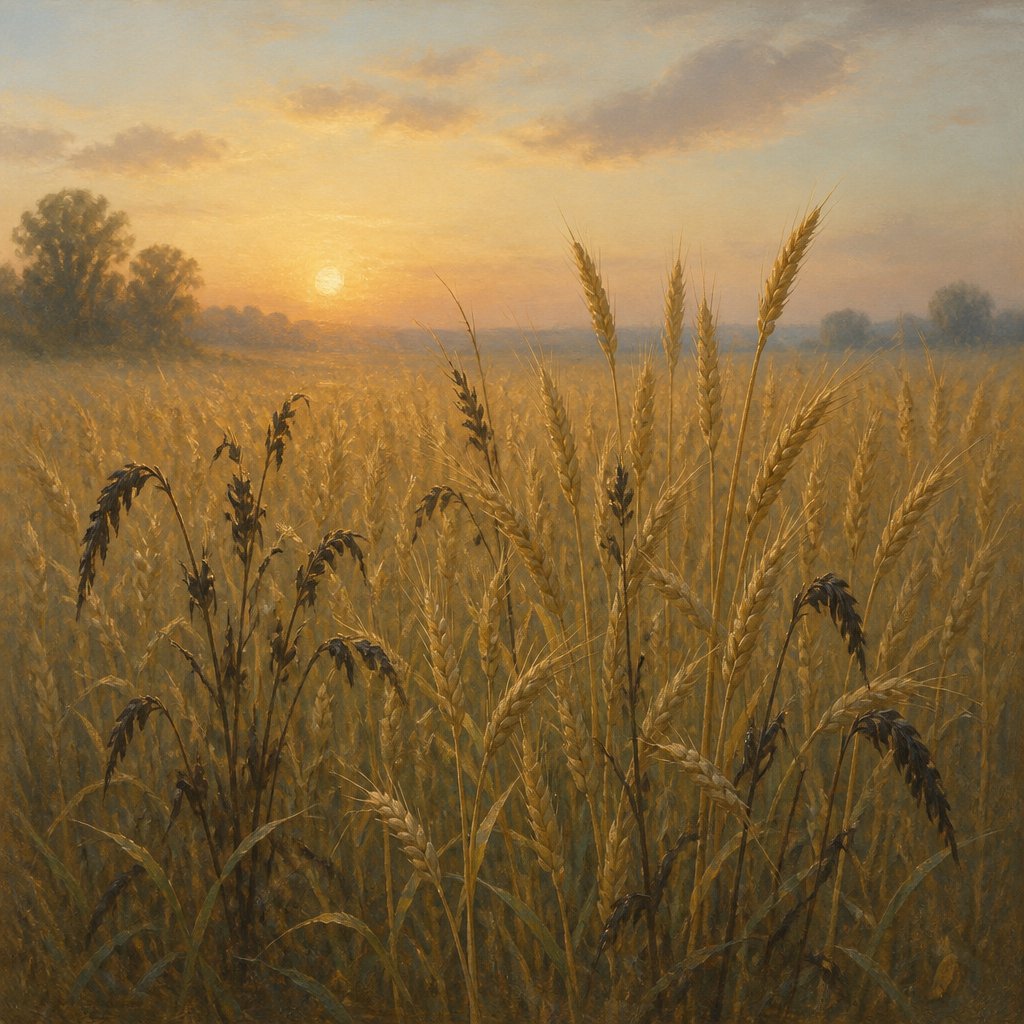
The Bible verse Matthew 13:26 from the King James Version (KJV) states, "But when the blade was sprung up, and brought forth fruit, then appeared the tares also." This verse is part of the Parable of the Wheat and the Tares, which is found in Matthew 13:24-43. This parable is one of the most well-known and widely discussed parables in the New Testament, and it conveys several important themes and lessons.
The Parable of the Wheat and the Tares begins with Jesus telling a story about a man who sows good seed in his field. While everyone is sleeping, an enemy comes and sows tares, or weeds, among the wheat. As the wheat and the tares grow together, the servants of the man ask him if they should go and pull up the tares. However, the man tells them to let the wheat and the tares grow together until the harvest, at which time the reapers will gather the tares and burn them, and the wheat will be gathered into the man's barn.
The verse Matthew 13:26 comes in the explanation of the parable, where Jesus says, "But when the blade was sprung up, and brought forth fruit, then appeared the tares also." This verse highlights the fact that the tares only become apparent when the wheat has already begun to grow and bear fruit. In the same way, in life, good and evil often coexist, and the negative influences can become apparent only after something good has already been established.
One of the central themes of the Parable of the Wheat and the Tares is the concept of judgment and the ultimate division between good and evil. This parable teaches that there will come a time when the righteous will be separated from the wicked, and each will receive their due reward. It emphasizes the reality of divine judgment and the consequences of one's actions. This theme is particularly important in the Christian faith, as it underscores the belief in the accountability of individuals before God.
Another theme present in this parable is the idea of patience and perseverance in the face of adversity. The man in the parable instructs his servants to allow the wheat and the tares to grow together until the harvest, rather than immediately pulling up the tares. This teaches a lesson about forbearance and the need to trust in God's timing. It encourages believers to be patient in the midst of trials and tribulations, knowing that God will ultimately bring about justice and righteousness.
Symbolism is also an integral part of this parable. The wheat represents the righteous, those who belong to the kingdom of God, while the tares represent the unrighteous, those who belong to the kingdom of darkness. The field symbolizes the world, and the enemy who sows the tares represents the devil. This imagery serves to illustrate the spiritual battle between good and evil, and the ongoing struggle that exists within the world. It also conveys the message that the presence of evil does not nullify the existence of good, and that God's kingdom will ultimately prevail over all darkness and wickedness.
The context of this parable is also significant. It is part of a series of parables that Jesus tells in Matthew 13, which are often referred to as the "Kingdom Parables." These parables use metaphorical language and imagery to convey profound spiritual truths about the nature of the kingdom of God. The Parable of the Wheat and the Tares specifically addresses the issue of false believers within the church and the importance of discerning true disciples from those who merely appear to be outwardly religious.
In conclusion, the verse Matthew 13:26 and the Parable of the Wheat and the Tares offer rich and meaningful insights into the nature of judgment, patience, and spiritual discernment. It serves as a reminder of the ultimate division between good and evil and the promise of God's justice. It also encourages believers to remain steadfast in their faith and to trust in God's sovereignty. The symbolism and context of this parable further deepen its significance and make it a powerful and enduring lesson for all Christians.
Have questions about Matthew 13:26?
Dive deeper into this scripture with Bible Chat — an AI-powered tool for exploring God's Word through conversation. Ask questions, get context, and grow in your understanding of the Bible.
Get Our Apps


Matthew 13:26 Artwork

Matthew 13:26 - "But when the blade was sprung up, and brought forth fruit, then appeared the tares also."
"But when the blade was sprung up, and brought forth fruit, then appeared the tares also." - Matthew 13:26
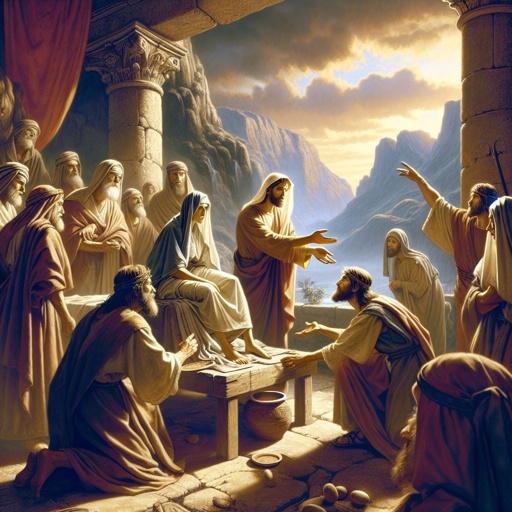
Matthew 26:13 - "Verily I say unto you, Wheresoever this gospel shall be preached in the whole world, there shall also this, that this woman hath done, be told for a memorial of her."

Matthew 26:25

Matthew 26:15

Matthew 19:26

Matthew 26:15

Matthew 27:26

Matthew 27:26

Matthew 26:53

Matthew 26:65

Matthew 26:41

Matthew 26:53

Matthew 26:26 - "¶ And as they were eating, Jesus took bread, and blessed it, and brake it, and gave it to the disciples, and said, Take, eat; this is my body."

Matthew 13

Matthew 8:13

Matthew 8:13

Matthew 8:13

Matthew 13

Matthew 22:26 - "Likewise the second also, and the third, unto the seventh."

Matthew 9:26 - "And the fame hereof went abroad into all that land."

Matthew 26:54 - "But how then shall the scriptures be fulfilled, that thus it must be?"

Matthew 7:13-14

Matthew 7:13-14

Matthew 7:13-14

Matthew 7:13-14

Matthew 7:13-14

Matthew 7:13-14

Matthew 7:13-14

Matthew 26:6 - "¶ Now when Jesus was in Bethany, in the house of Simon the leper,"