What does Matthew 13:25 mean?
"But while men slept, his enemy came and sowed tares among the wheat, and went his way." - Matthew 13:25
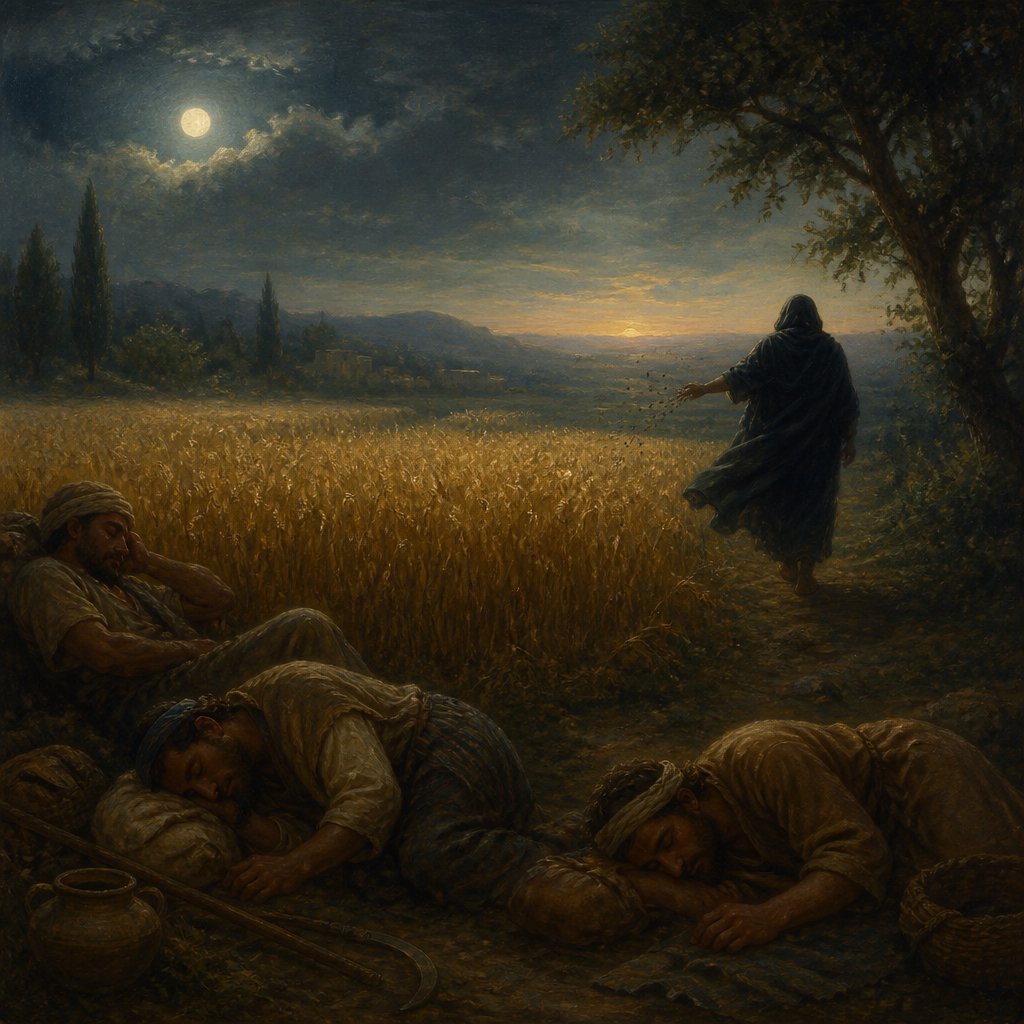
Matthew 13:25 (KJV): "But while men slept, his enemy came and sowed tares among the wheat, and went his way."
This verse comes from one of Jesus' parables, known as the Parable of the Wheat and the Tares. In this parable, Jesus uses the imagery of a farmer sowing good seed in his field, only to have an enemy come and sow weeds, or "tares," among the wheat. The parable goes on to explain that the farmer, when asked if he should pull up the weeds, decides to let them grow alongside the wheat until the harvest, when they will be separated and the weeds burned.
This parable is rich with meaning and symbolism, and it offers several important lessons about the nature of good and evil, the kingdom of God, and the ultimate judgment. In order to fully understand the profound message of this parable, it is important to explore its themes, context, and symbolism in detail.
One of the primary themes of this parable is the coexistence of good and evil in the world. The wheat represents the children of the kingdom of God, who are good and righteous, while the tares represent the children of the evil one, who are wicked and sinful. This parable illustrates how these two opposing forces exist side by side in the world, often intermingling and intertwined. It serves as a reminder that the presence of evil does not negate the presence of good, and vice versa. Additionally, it calls attention to the reality that evil can often imitate or masquerade as good, making it difficult to discern between the two.
Another important theme of the Parable of the Wheat and the Tares is the concept of divine judgment. The parable emphasizes that there will come a time of reckoning when the wheat and the tares will be separated, with the wheat being gathered into the barn and the tares being burned. This is a powerful metaphor for the final judgment, where God will separate the righteous from the wicked, and each will receive their just reward or punishment. The parable serves as a warning that though evil may seem to prosper and coexist with good in the present, a time of ultimate accountability and separation is coming.
The context of this parable is also significant. In the verses preceding and following this parable, Jesus explains that he speaks in parables so that those with receptive hearts and ears will understand his teachings, while those with hardened hearts will remain blind to the truth. In verses 36-43, Jesus provides an interpretation of the parable to his disciples, further emphasizing the importance of understanding its message.
The symbolism in this parable is profound and multi-layered. The sower of the good seed represents Jesus, the Son of Man, who sows the children of the kingdom in the world. The enemy who sows the tares represents the devil, who seeks to sabotage and corrupt the work of God. The field is the world, and the harvest represents the end of the age when the righteous and the wicked will be separated. The presence of the tares among the wheat symbolizes the coexistence of good and evil in the world, while the ultimate separation and judgment represent God's final authority over all creation.
In conclusion, Matthew 13:25, as part of the Parable of the Wheat and the Tares, is a profound and thought-provoking teaching of Jesus that addresses the complex nature of good and evil, divine judgment, and the kingdom of God. It challenges believers to discern between good and evil, to persevere in the face of opposition, and to trust in the ultimate justice and sovereignty of God. This parable continues to be a timeless and relevant reminder of the spiritual realities that Christians face in the world, and it offers hope and assurance in the promise of God's final triumph over evil.
Have questions about Matthew 13:25?
Dive deeper into this scripture with Bible Chat — an AI-powered tool for exploring God's Word through conversation. Ask questions, get context, and grow in your understanding of the Bible.
Get Our Apps


Matthew 13:25 Artwork

Matthew 13:25 - "But while men slept, his enemy came and sowed tares among the wheat, and went his way."
"But while men slept, his enemy came and sowed tares among the wheat, and went his way." - Matthew 13:25

Matthew 25:11-13

Matthew 25:13 - "Watch therefore, for ye know neither the day nor the hour wherein the Son of man cometh."

Matthew 25:25

Matthew 25: 14-25
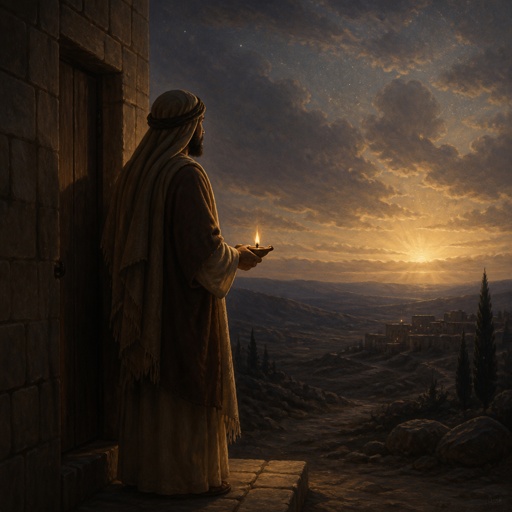
"Watch therefore, for ye know neither the day nor the hour wherein the Son of man cometh." - Matthew 25:13

Matthew 26:25

Matthew 16:25

Matthew 25:21

Matthew 25:23

matthew 25:31

Matthew 25:21

Matthew 25:23

Matthew 21:25

Matthew 25:25 - "And I was afraid, and went and hid thy talent in the earth: lo, there thou hast that is thine."

Matthew 6:25 – 34

Matthew 13

Matthew 25:4 - "But the wise took oil in their vessels with their lamps."

Matthew 8:13

Matthew 8:13

Matthew 8:13

Matthew 13

Genesis 25-13

Matthew 7:13-14

Matthew 7:13-14

Matthew 7:13-14

Matthew 7:13-14

Matthew 7:13-14

Matthew 7:13-14