What does Matthew 12:32 mean?
"And whosoever speaketh a word against the Son of man, it shall be forgiven him: but whosoever speaketh against the Holy Ghost, it shall not be forgiven him, neither in this world, neither in the world to come." - Matthew 12:32
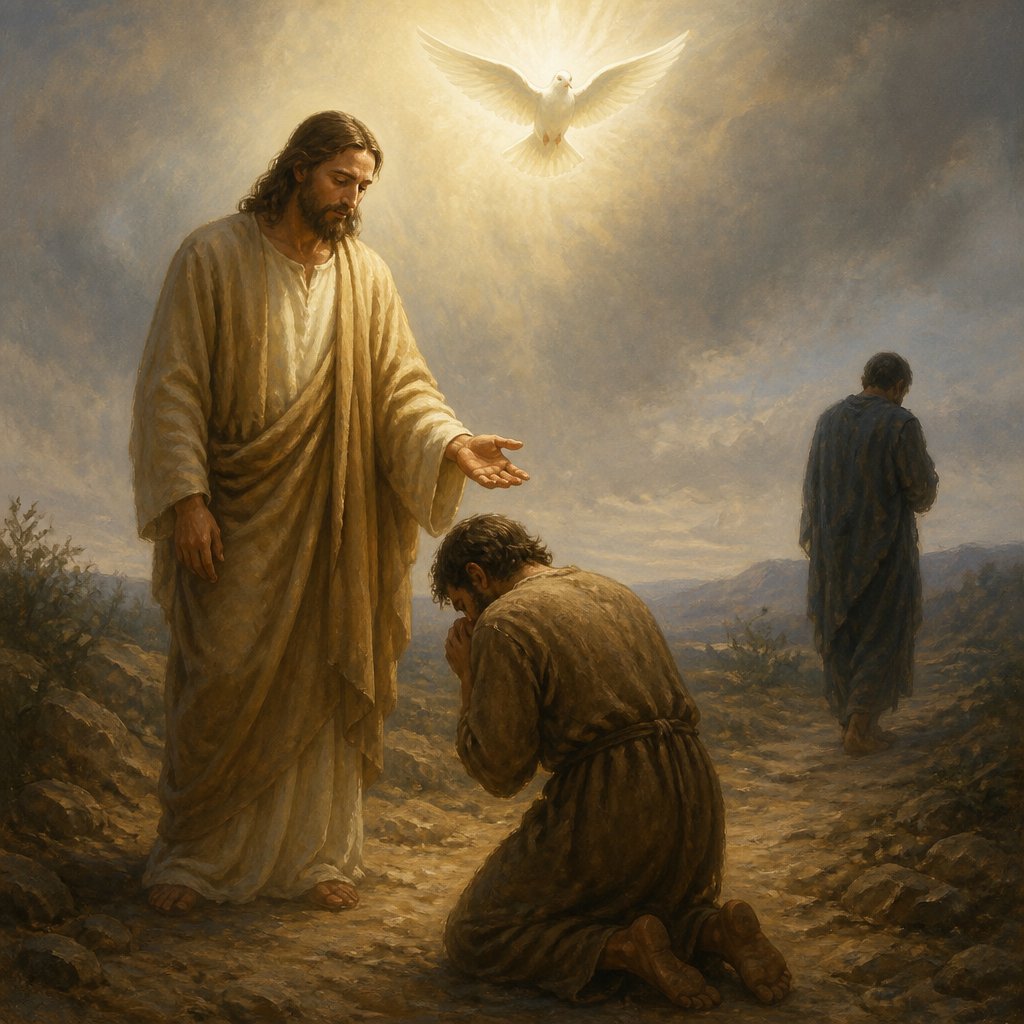
In Matthew 12:32, Jesus makes a statement that has perplexed and troubled many people over the years: "And whosoever speaketh a word against the Son of man, it shall be forgiven him: but whosoever speaketh against the Holy Ghost, it shall not be forgiven him, neither in this world, neither in the world to come." This verse has been the subject of much debate and interpretation among Christians, and its meaning is not always clear.
The context of this verse is important in understanding its meaning. In the preceding verses, the Pharisees had accused Jesus of using the power of Beelzebub, the prince of the devils, to cast out demons. Jesus responds by explaining that a kingdom divided against itself cannot stand, and that if he casts out demons by the Spirit of God, then the kingdom of God has come upon them. He also warns the Pharisees about blaspheming against the Holy Spirit, which is the unforgivable sin.
The theme of forgiveness and the unforgivable sin is central to the meaning of this verse. Jesus is making a distinction between speaking against the Son of man (referring to himself) and speaking against the Holy Spirit. He is saying that those who speak against him can be forgiven, but those who speak against the Holy Spirit cannot. This raises the question of what it means to blaspheme against the Holy Spirit and why it is unforgivable.
To understand this, it is important to consider the role of the Holy Spirit in the Christian faith. The Holy Spirit is often understood as the presence and power of God at work in the world, guiding and empowering believers. The Holy Spirit is also seen as the Spirit of truth, who convicts people of sin and leads them to repentance and faith in Jesus Christ. To blaspheme against the Holy Spirit, then, is to reject the convicting work of the Spirit and to stubbornly refuse to repent and believe in Jesus Christ.
This raises the question of why blasphemy against the Holy Spirit is unforgivable. The unforgivable nature of this sin is not due to any limitation on God's part, but rather to the hardness and stubbornness of the human heart. The unforgivable sin is ultimately a rejection of the forgiveness and mercy that God offers through Jesus Christ. It is a refusal to accept the grace of God and be reconciled to Him.
The symbolism in this verse is also significant. The contrast between speaking against the Son of man and speaking against the Holy Spirit highlights the importance of the Holy Spirit in the work of God in the world. The unforgivable nature of blasphemy against the Holy Spirit serves as a sobering warning about the consequences of rejecting the work of the Spirit and refusing to repent and believe in Jesus Christ.
In conclusion, Matthew 12:32 is a challenging and thought-provoking verse that raises questions about forgiveness, the work of the Holy Spirit, and the nature of the unforgivable sin. It reminds us of the importance of responding to the convicting work of the Spirit and being open to God's forgiveness and grace. It also serves as a warning about the danger of hardening our hearts and persisting in unbelief. Ultimately, this verse points us to the need for humility, repentance, and faith in Jesus Christ.
Have questions about Matthew 12:32?
Dive deeper into this scripture with Bible Chat — an AI-powered tool for exploring God's Word through conversation. Ask questions, get context, and grow in your understanding of the Bible.
Get Our Apps


Matthew 12:32 Artwork

Matthew 12:32 - "And whosoever speaketh a word against the Son of man, it shall be forgiven him: but whosoever speaketh against the Holy Ghost, it shall not be forgiven him, neither in this world, neither in the world to come."
"And whosoever speaketh a word against the Son of man, it shall be forgiven him: but whosoever speaketh against the Holy Ghost, it shall not be forgiven him, neither in this world, neither in the world to come." - Matthew 12:32

Matthew 8:32

Matthew 8:32

Matthew 8:32

Matthew 23:32 - "Fill ye up then the measure of your fathers."

Matthew 14:32 - "And when they were come into the ship, the wind ceased."

Matthew 12:31-32 - "And so I tell you, every kind of sin and slander can be forgiven, but blasphemy against the Spirit will not be forgiven. Anyone who speaks a word against the Son of Man will be forgiven, but anyone who speaks against the Holy Spirit will not be forgiven, either in this age or in the age to come."

Matthew 9:32 - "¶ As they went out, behold, they brought to him a dumb man possessed with a devil."

Matthew 26:32 - "But after I am risen again, I will go before you into Galilee."

Matthew 22:32 - "I am the God of Abraham, and the God of Isaac, and the God of Jacob? God is not the God of the dead, but of the living."

Isaiah 32:12 - "They shall lament for the teats, for the pleasant fields, for the fruitful vine."

Nehemiah 12:32 - "And after them went Hoshaiah, and half of the princes of Judah,"

Matthew 27:32 - "And as they came out, they found a man of Cyrene, Simon by name: him they compelled to bear his cross."

Matthew 3:11-12

Matthew 20:32 - "And Jesus stood still, and called them, and said, What will ye that I shall do unto you?"

Matthew 3:11-12

Deuteronomy 32:12 - "So the LORD alone did lead him, and there was no strange god with him."

"Fill ye up then the measure of your fathers." - Matthew 23:32

"And when they were come into the ship, the wind ceased." - Matthew 14:32

Matthew 3:12

Matthew 3:12

Matthew 23:12

Matthew 7:12

Matthew 23:12

Luke 12:32 - "Fear not, little flock; for it is your Father's good pleasure to give you the kingdom."

Matthew 7:12

Matthew 3:12

Matthew 6:32 - "(For after all these things do the Gentiles seek:) for your heavenly Father knoweth that ye have need of all these things."
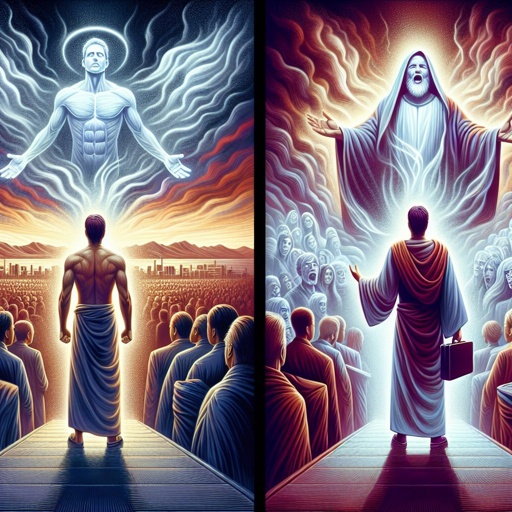
Matthew 10:32 - "Whosoever therefore shall confess me before men, him will I confess also before my Father which is in heaven."