What does Matthew 12:14 mean?
"¶ Then the Pharisees went out, and held a council against him, how they might destroy him." - Matthew 12:14
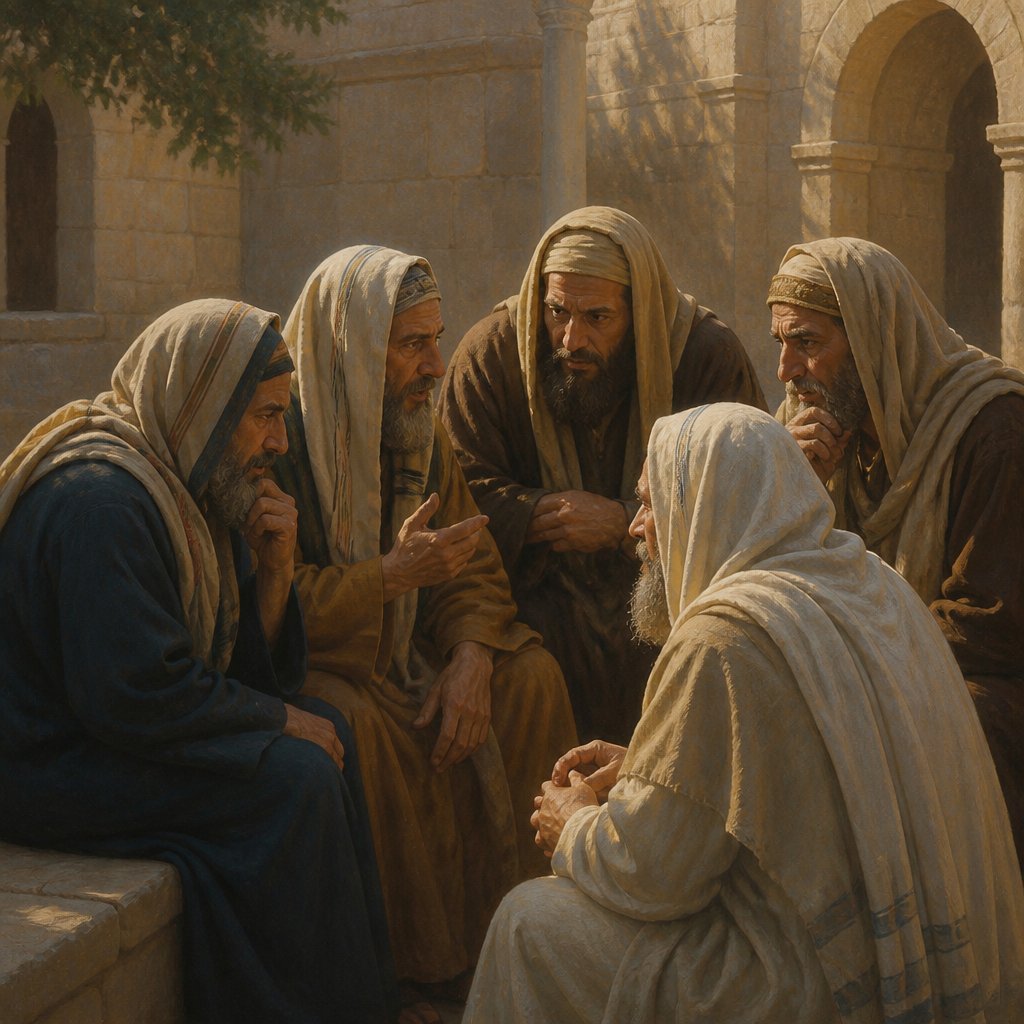
In Matthew 12:14, the King James Version of the Bible reads: "Then the Pharisees went out, and held a council against him, how they might destroy him." This verse is part of a larger passage that recounts a series of confrontations between Jesus and the religious authorities of his time.
To understand the full significance of this verse, it is important to consider the broader context in which it occurs. In the preceding verses, Jesus performs a miracle by healing a man with a withered hand on the Sabbath. This act of healing, which takes place in the synagogue, incites the Pharisees to begin plotting against Jesus. Their focus on the Sabbath reflects the rigid legalism and hypocritical priorities of the religious establishment of the time.
The verse in question, then, is a pivotal moment in the narrative, as it marks the point at which the Pharisees actively conspire to destroy Jesus. This sets the stage for the escalating conflict between Jesus and the religious leaders, which ultimately leads to his crucifixion.
One of the key themes in this verse is the opposition between Jesus and the religious establishment. Throughout the Gospels, Jesus consistently challenges the legalism and hypocrisy of the Pharisees and other religious authorities. His teachings emphasize love, compassion, and inner righteousness over strict adherence to external laws and rituals. This puts him at odds with the religious leaders, who view him as a threat to their authority and teachings.
The verse also highlights the contrast between the earthly power and authority of the Pharisees and the divine authority of Jesus. The Pharisees, in holding a council to plot against Jesus, demonstrate their desire to use their influence and status to maintain their position of power. In contrast, Jesus operates from a position of divine authority, guided by the will of his Father in Heaven.
Symbolically, the verse can be seen as representative of the broader conflict between good and evil, righteousness and hypocrisy, and divine authority and earthly power. The Pharisees' plot against Jesus exemplifies the darker forces at work in the world, seeking to thwart the work of God. Jesus, on the other hand, represents the light and truth that ultimately triumphs over these forces.
This verse also serves as a prelude to the crucifixion of Jesus. The Pharisees' plot to destroy him foreshadows the events that will unfold as the religious leaders conspire with the Roman authorities to bring about Jesus' death. This aspect of the verse ties into the overarching theme of redemption and salvation, as Jesus' sacrifice ultimately leads to the atonement for sin and the reconciliation of humanity with God.
In conclusion, Matthew 12:14 is a pivotal verse in the Gospel narrative, highlighting the escalating conflict between Jesus and the religious authorities of his time. It is emblematic of the broader themes of opposition between divine and earthly authority, righteousness and hypocrisy, and the ultimate triumph of God's will. This verse sets the stage for the events that will lead to Jesus' crucifixion and serves as a reminder of the profound spiritual and ethical implications of his teachings and actions.
Have questions about Matthew 12:14?
Dive deeper into this scripture with Bible Chat — an AI-powered tool for exploring God's Word through conversation. Ask questions, get context, and grow in your understanding of the Bible.
Get Our Apps


Matthew 12:14 Artwork

Matthew 12:14 - "¶ Then the Pharisees went out, and held a council against him, how they might destroy him."
"¶ Then the Pharisees went out, and held a council against him, how they might destroy him." - Matthew 12:14
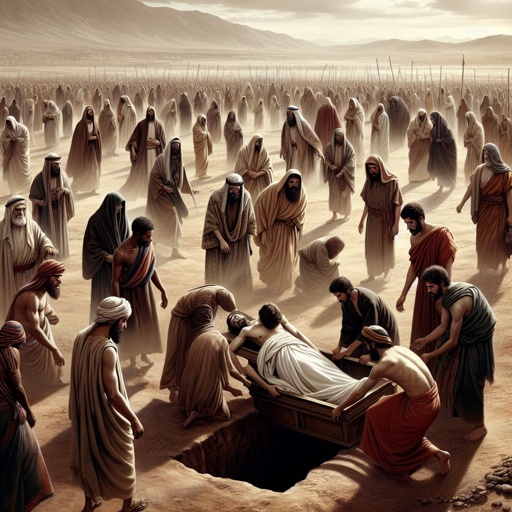
Matthew 14:12 - "And his disciples came, and took up the body, and buried it, and went and told Jesus."
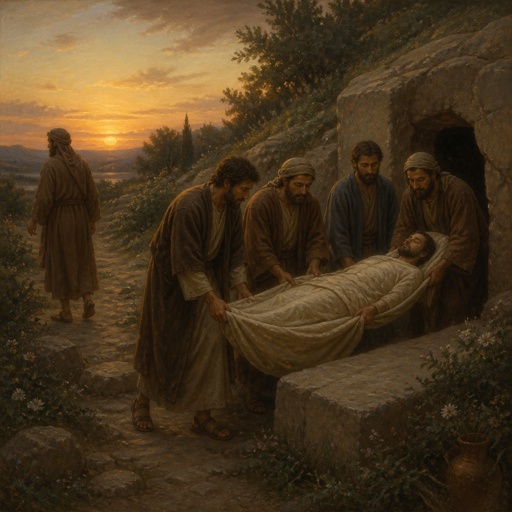
"And his disciples came, and took up the body, and buried it, and went and told Jesus." - Matthew 14:12

Matthew 7:13-14

Matthew 7:13-14

Matthew 7:13-14

Matthew 7:13-14

Matthew 7:13-14

Matthew 7:13-14

Matthew 7:13-14

Matthew 7:13-14

Matthew 7:13-14

Matthew 7:13-14

Matthew 7:13-14

Matthew 3:11-12

Matthew 5:14

Matthew 6:14

Matthew 5:14

Matthew 3:11-12

matthew 2:14

Matthew 3:12

Matthew 3:12

Matthew 23:12

Matthew 7:12

Matthew 23:12

Matthew 7:12

Matthew 3:12

Matthew 7:13-14

Matthew 7:13-14