What does Matthew 11:16-17 mean?
"But whereunto shall I liken this generation? It is like unto children sitting in the markets, and calling unto their fellows, And saying, We have piped unto you, and ye have not danced; we have mourned unto you, and ye have not lamented." - Matthew 11:16-17
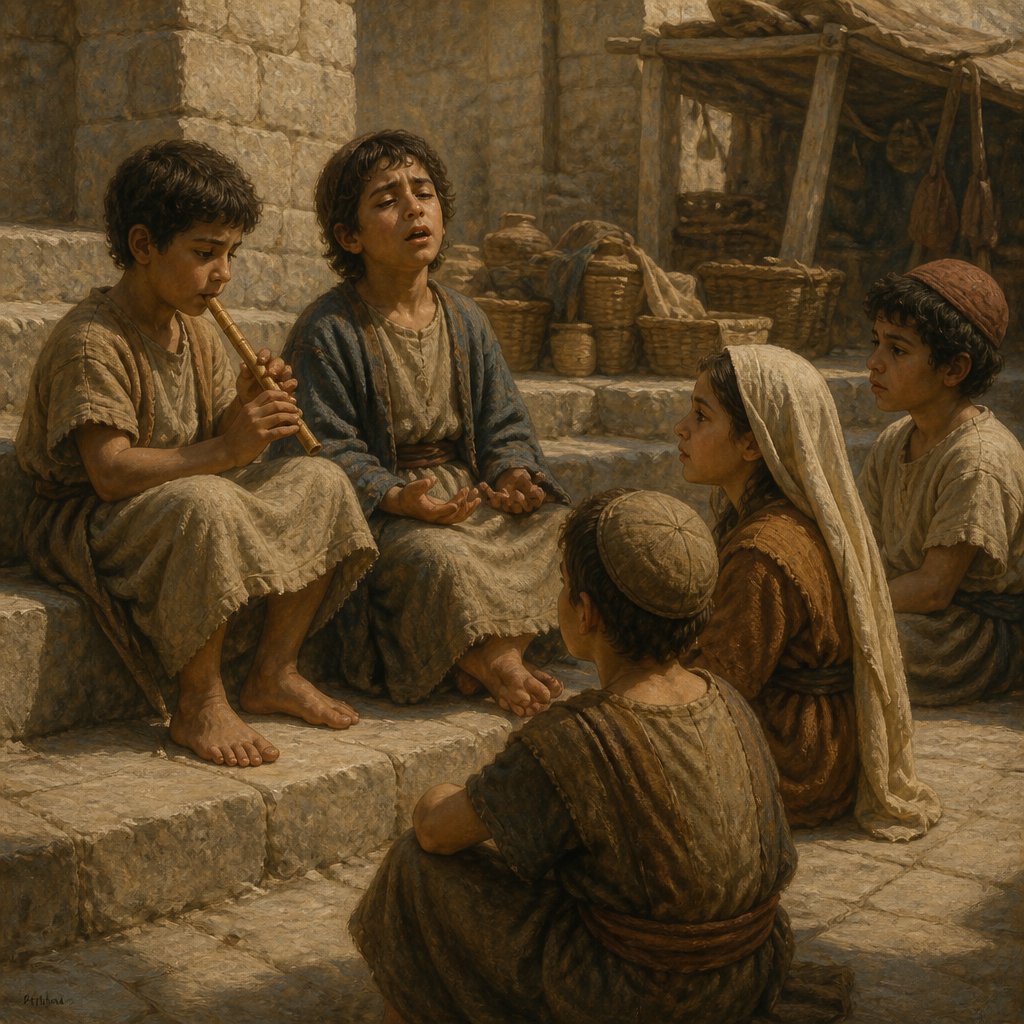
In the Book of Matthew, chapter 11, verses 16-17, Jesus says:
“But whereunto shall I liken this generation? It is like unto children sitting in the markets, and calling unto their fellows, And saying, We have piped unto you, and ye have not danced; we have mourned unto you, and ye have not lamented.”
In this passage, Jesus is using a metaphor to describe the behavior of the people of his time. He compares them to children sitting in the markets, playing imaginary games to which the other children do not respond. The metaphors of piping and dancing, and mourning and lamenting, reflect the inability of the people to respond appropriately to the message that Jesus and John the Baptist were bringing to them.
This passage speaks to themes of rejection and misunderstanding. Jesus is expressing his frustration with the lack of response and understanding from the people to whom he and John the Baptist have been preaching. In the previous verses, Jesus had been rebuking the cities where he had done most of his miracles because they did not repent. He then goes on to explain that these cities will face judgment because they did not respond to the message he brought to them.
The metaphor of children in the marketplace also speaks to the immaturity and fickleness of the people. They are like children playing games, stubbornly refusing to join in when the other children play their part. This reflects the spiritual immaturity of the people, who are unable to recognize and respond to the message of repentance and salvation that Jesus and John the Baptist were proclaiming.
The use of the metaphors of piping and dancing, and mourning and lamenting, also carries deeper symbolic meaning. Piping and dancing are often associated with joy and celebration, while mourning and lamenting are associated with sadness and mourning. Jesus is pointing out that the people of his time were unable to respond appropriately to either joy or sorrow. They were indifferent to the message of salvation and the call to repentance, and this indifference would ultimately lead to their judgment.
This passage also reflects the contrast between the message of Jesus and the expectations of the people. They expected a Messiah who would fulfill their earthly desires and expectations, but Jesus came to bring a message of repentance and spiritual transformation. The people's lack of response and understanding reflects their unwillingness to accept the true nature of Jesus' message.
In a broader context, this passage can also be seen as a commentary on human nature and the spiritual blindness of humanity. The people of Jesus' time were not unique in their rejection of the message of repentance and salvation. Throughout history, people have often been unable or unwilling to respond to the message of God's grace and forgiveness. This passage serves as a reminder of the human tendency towards spiritual blindness and stubbornness.
Overall, Matthew 11:16-17 is a powerful and poignant reminder of the importance of recognizing and responding to the message of repentance and salvation. It serves as a warning against spiritual indifference and the dangers of rejecting the message of Jesus. Through the use of vivid metaphors and symbolism, Jesus conveys his frustration with the lack of response and understanding from the people of his time, and this message continues to resonate with readers today.
Have questions about Matthew 11:16-17?
Dive deeper into this scripture with Bible Chat — an AI-powered tool for exploring God's Word through conversation. Ask questions, get context, and grow in your understanding of the Bible.
Get Our Apps


Matthew 11:16-17 Artwork

Matthew 11:16-17 - "But to what shall I compare this generation? It is like children sitting in the marketplaces and calling to their playmates, 'We played the flute for you, and you did not dance; we sang a dirge, and you did not mourn.'"
"But to what shall I compare this generation? It is like children sitting in the marketplaces and calling to their playmates, 'We played the flute for you, and you did not dance; we sang a dirge, and you did not mourn.'" - Matthew 11:16-17

Matthew 19:16-17

Matthew 17:16 - "And I brought him to thy disciples, and they could not cure him."

Matthew 17:11 - "And Jesus answered and said unto them, Elias truly shall first come, and restore all things."
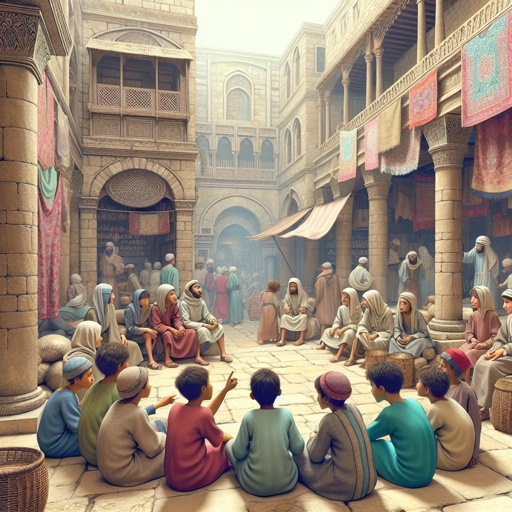
Matthew 11:16 - "¶ But whereunto shall I liken this generation? It is like unto children sitting in the markets, and calling unto their fellows,"

Matthew 16:11 - "How is it that ye do not understand that I spake it not to you concerning bread, that ye should beware of the leaven of the Pharisees and of the Sadducees?"
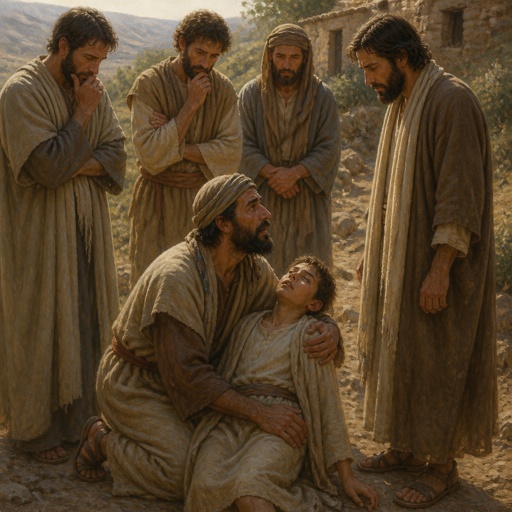
"And I brought him to thy disciples, and they could not cure him." - Matthew 17:16
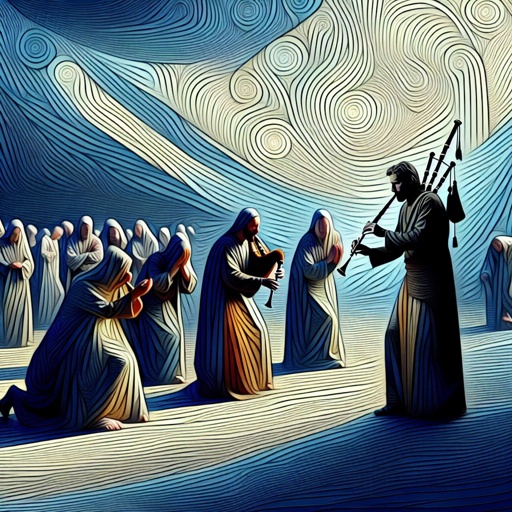
Matthew 11:17 - "And saying, We have piped unto you, and ye have not danced; we have mourned unto you, and ye have not lamented."

Matthew 11:3

Matthew 16:17 - "And Jesus answered and said unto him, Blessed art thou, Simon Bar-jona: for flesh and blood hath not revealed it unto thee, but my Father which is in heaven."

Zechariah 1:1-6

Matthew 17:17-18

Matthew 17:17-18

Matthew 3:16
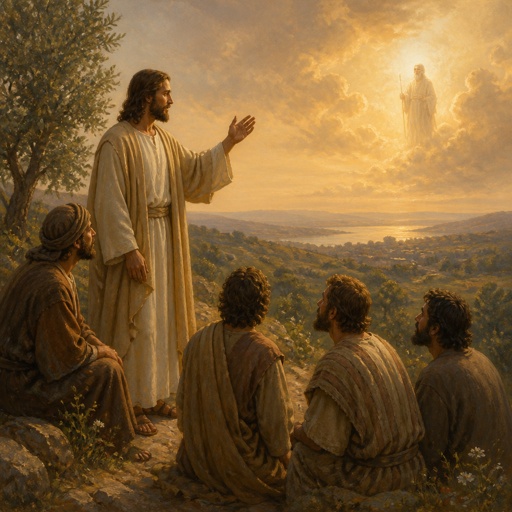
"And Jesus answered and said unto them, Elias truly shall first come, and restore all things." - Matthew 17:11

Matthew 3:16

Matthew 3:16
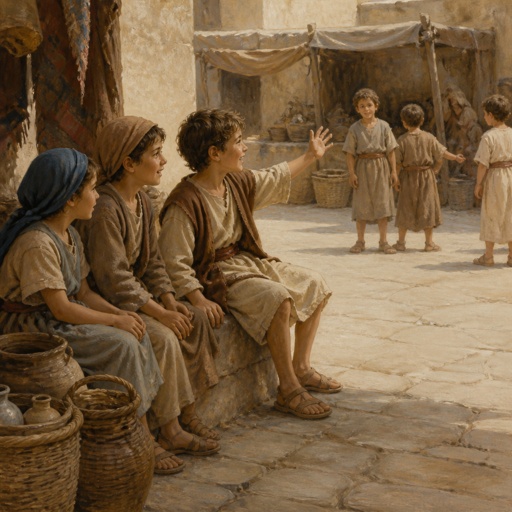
"¶ But whereunto shall I liken this generation? It is like unto children sitting in the markets, and calling unto their fellows," - Matthew 11:16

Matthew 17:20

Matthew 6:17

Matthew 17:20

Matthew 16:25

Matthew 8:16-17 - "When evening came, many who were demon-possessed were brought to him, and he drove out the spirits with a word and healed all the sick. This was to fulfill what was spoken through the prophet Isaiah: "He took up our infirmities and bore our diseases.""

Matthew 3:11

Matthew 3:11

Matthew 3:11

Matthew 3:11

Matthew 3:11

Matthew 3:11