What does Matthew 10:6 mean?
"But go rather to the lost sheep of the house of Israel." - Matthew 10:6
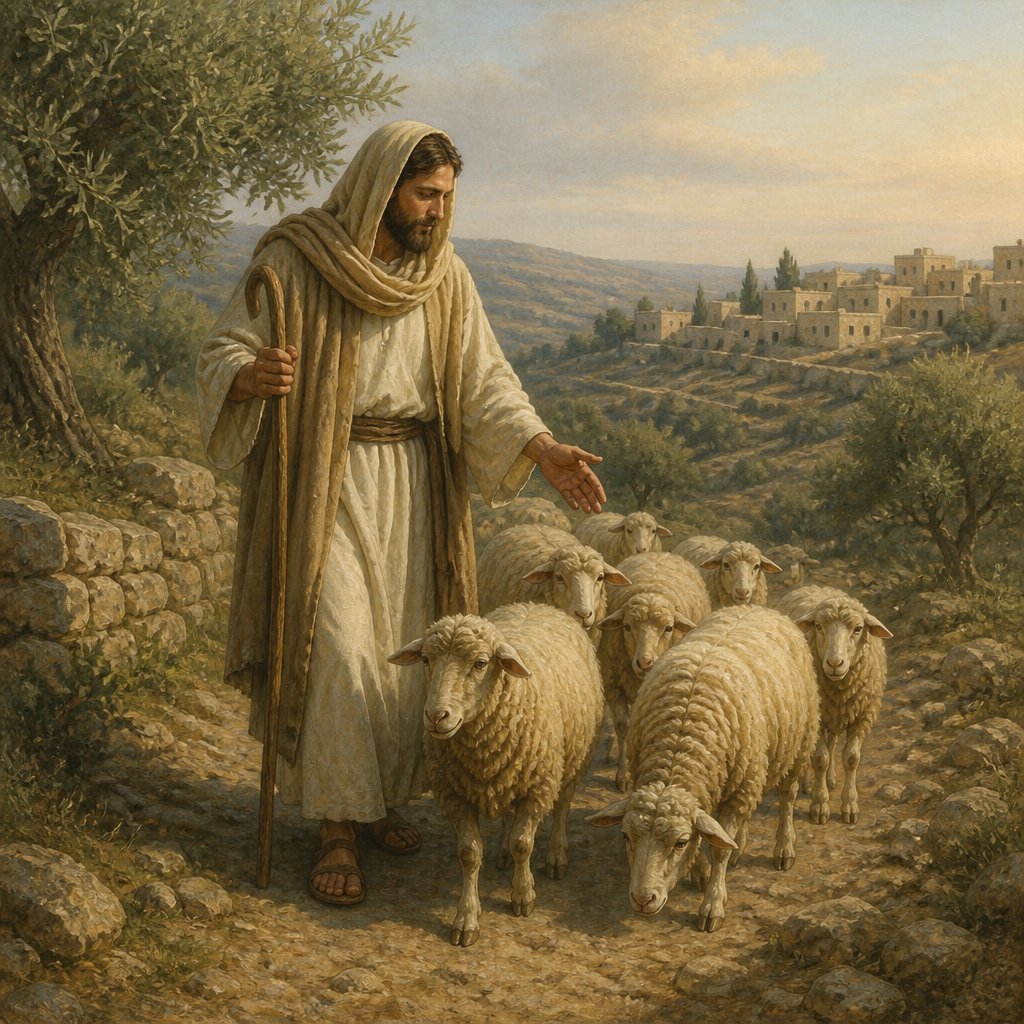
Matthew 10:6 in the King James Version of the Bible reads, "But go rather to the lost sheep of the house of Israel." This verse is part of a larger passage where Jesus is commissioning his disciples to go out and preach the message of the Kingdom of Heaven. In this specific verse, Jesus is instructing his disciples to focus their mission on the "lost sheep of the house of Israel."
The context of this verse is important in understanding its meaning. At this point in Matthew's gospel, Jesus has already called his disciples and given them authority to drive out impure spirits and to heal every disease and sickness (Matthew 10:1). He is now sending them out on a mission to preach the good news and perform miracles, emphasizing that they should go only to the Israelites (Matthew 10:5-6).
The phrase "lost sheep" is symbolic of the Israelites who have gone astray from the true path of God. Throughout the Old Testament, Israel is often referred to as God's chosen people, his flock. This imagery is used to convey the idea that God is the shepherd who cares for his people and seeks to gather them together. However, in the time of Jesus, many of the Israelites had strayed from God's ways, and Jesus saw them as lost, in need of guidance and redemption.
By instructing his disciples to go to the lost sheep of the house of Israel, Jesus is expressing his deep concern for his own people. He is prioritizing the salvation of the Israelites, showing that his mission is rooted in the covenant God made with them and his desire to see them restored to a right relationship with God. This verse also highlights Jesus' fulfillment of the Old Testament prophecies concerning the Messiah who would come to save his people. It echoes the words of the prophet Ezekiel, who wrote about God seeking out his lost sheep and rescuing them from the places where they were scattered (Ezekiel 34:12).
Furthermore, this verse serves as a reminder to the disciples that their mission is not to be exclusive but to emphasize prioritization. After the death and resurrection of Jesus, the gospel would be proclaimed to all nations (Matthew 28:19). However, at this particular moment, the disciples were to focus on the Israelites, recognizing that they were in the best position to understand the Old Testament prophecies and the significance of Jesus as the fulfillment of those prophecies. This verse also points to the importance of contextualizing the gospel message for different audiences, recognizing that the message may need to be communicated in different ways to different groups of people.
In conclusion, Matthew 10:6 in the King James Version of the Bible carries deep meaning and symbolism, conveying Jesus' concern for the lost Israelites and his desire to see them restored to God. It also speaks to the disciples' mission at that specific time and the broader implications for the spread of the gospel throughout the world. This verse invites us to consider the significance of Jesus' ministry within the context of the Old Testament promises and the fulfillment of God's plan for his people.
Have questions about Matthew 10:6?
Dive deeper into this scripture with Bible Chat — an AI-powered tool for exploring God's Word through conversation. Ask questions, get context, and grow in your understanding of the Bible.
Get Our Apps


Matthew 10:6 Artwork

Matthew 10:6 - "But go rather to the lost sheep of the house of Israel."
"But go rather to the lost sheep of the house of Israel." - Matthew 10:6

Matthew 6:10 - "Thy kingdom come. Thy will be done in earth, as it is in heaven."

Matthew 21:21 Philippians 4:6-7 Ephesians 6:10-18 Put the words on the photo

Matthew 21:21 Philippians 4:6-7 Ephesians 6:10-18

"Thy kingdom come. Thy will be done in earth, as it is in heaven." - Matthew 6:10

Matthew 6:6

matthew 15 matthew 15:10

Matthew 6:23

Matthew 1:10

Matthew 18:10

Matthew 1:10

Matthew 18:6

Matthew 4:10

Matthew 6:34

Matthew 18:6

Matthew 6:18

Matthew 6:14

Matthew 6:22

Matthew 6:24

Matthew 6:30

Matthew 6:22

Matthew 6:5

Matthew 6:34

Matthew 10:3 - "Philip, and Bartholomew; Thomas, and Matthew the publican; James the son of Alphaeus, and Lebbaeus, whose surname was Thaddaeus;"

for the workman is worthy his meat Matthew 10:10

for the workman is worthy of his meat Matthew 10:10

Matthew 6:24

Matthew 6:2

Matthew 6:2