What does Mark 9:46 mean?
"Where their worm dieth not, and the fire is not quenched." - Mark 9:46
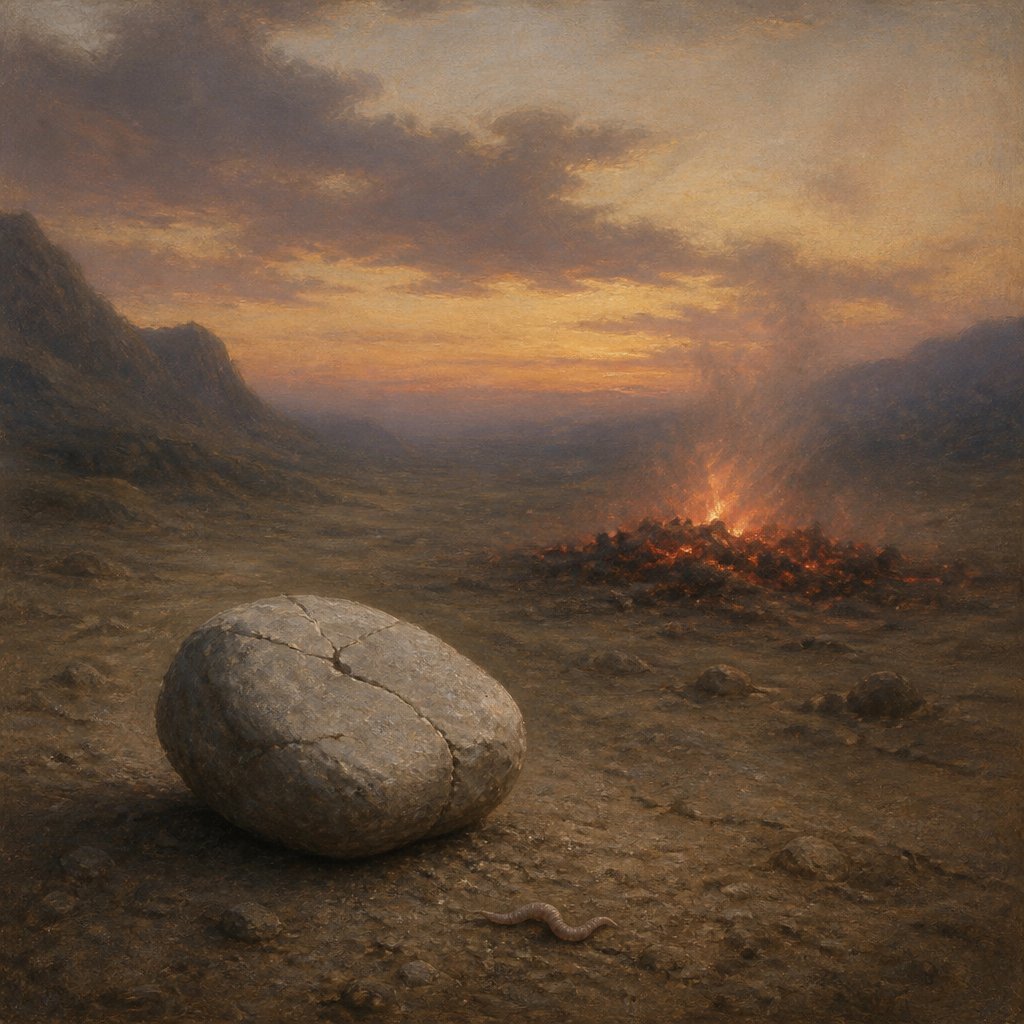
Mark 9:46 in the King James Version of the Bible reads, "Where their worm dieth not, and the fire is not quenched." This verse is part of a longer passage in which Jesus is warning his disciples about the dangers of causing others to sin. In this particular verse, Jesus is using vivid and dramatic imagery to emphasize the severity of the consequences for leading others astray.
In order to understand the full meaning of this verse, it is important to consider the context in which it is found. In the preceding verses, Jesus speaks about the seriousness of causing others to stumble. He says, "Whosoever shall offend one of these little ones that believe in me, it is better for him that a millstone were hanged about his neck, and he were cast into the sea" (Mark 9:42). The imagery of being drowned with a millstone around one's neck conveys the gravity of leading others into sin and the severe punishment that awaits those who do so.
In Mark 9:43-48, Jesus continues to emphasize the seriousness of causing others to sin by using striking and intense language. He speaks about cutting off one's hand or foot if it causes them to sin, as it is better to enter into life maimed than to be cast into hell where "their worm dieth not, and the fire is not quenched" (Mark 9:44, 46, 48). The repetition of the phrases "their worm dieth not, and the fire is not quenched" underscores the eternal and unending nature of the punishment for those who lead others astray.
The imagery of "their worm dieth not, and the fire is not quenched" is deeply disturbing and evocative. It is likely a reference to the Valley of Hinnom, also known as Gehenna, which was a valley outside of Jerusalem where refuse was burned. In ancient Jewish and Christian thought, Gehenna came to symbolize the final place of punishment for the wicked. The mention of the undying worm and unquenchable fire evokes a sense of eternal suffering and torment, emphasizing the severity of the consequences for causing others to sin.
This verse serves as a powerful warning against leading others into sin, emphasizing the weight of responsibility that comes with influencing the spiritual lives of others. It urges believers to take seriously the impact of their actions on those around them and to prioritize the spiritual well-being of others. The imagery of unending suffering underscores the magnitude of the consequences for leading others astray and serves as a sobering reminder of the importance of living in a way that is pleasing to God.
On a deeper level, this verse also speaks to the nature of God as a just and righteous judge. It reflects the biblical understanding of God's holiness and the reality of divine judgment for those who reject His ways. The imagery of the undying worm and unquenchable fire underscores the seriousness of sin and the absolute justice of God in holding the guilty accountable.
In interpreting this verse, it is important to approach it with reverence and humility, recognizing the weight of its message. It serves as a call to accountability and a reminder of the eternal consequences of our actions. It also points to the overarching themes of judgment, justice, and the consequences of sin that permeate the biblical narrative.
In conclusion, Mark 9:46 in the King James Version of the Bible is a striking and powerful warning from Jesus about the consequences of causing others to sin. Its vivid imagery of unending suffering underscores the gravity of this offense and serves as a sobering reminder of the accountability we have for our actions. The verse also reflects deeper themes of divine judgement, justice, and the consequences of sin within the biblical narrative. As believers, it calls us to take seriously the impact of our actions on others and to live in a way that is pleasing to God.
Have questions about Mark 9:46?
Dive deeper into this scripture with Bible Chat — an AI-powered tool for exploring God's Word through conversation. Ask questions, get context, and grow in your understanding of the Bible.
Get Our Apps


Mark 9:46 Artwork

Mark 9:46 - "Where their worm dieth not, and the fire is not quenched."

"Where their worm dieth not, and the fire is not quenched." - Mark 9:46
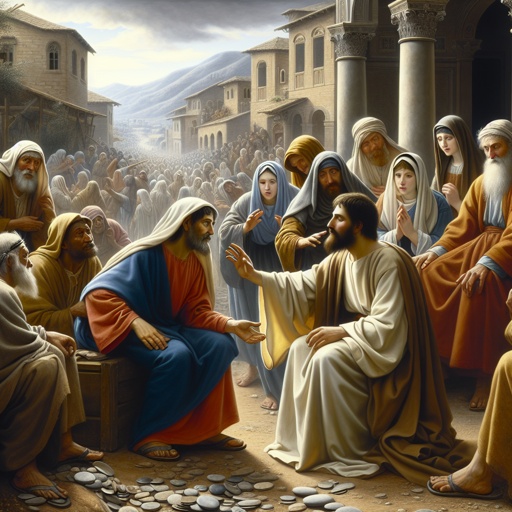
Mark 10:46
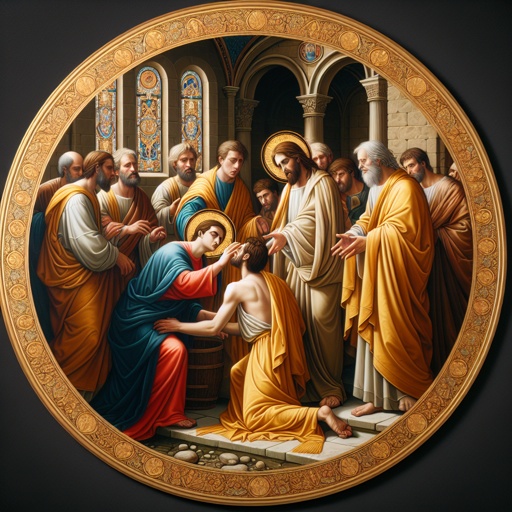
Mark 10:46

Mark 10:46

Mark 14:46 - "¶ And they laid their hands on him, and took him."

Mark 6:46 - "And when he had sent them away, he departed into a mountain to pray."

"¶ And they laid their hands on him, and took him." - Mark 14:46

Genesis 46:9 - "And the sons of Reuben; Hanoch, and Phallu, and Hezron, and Carmi."

Mark 10:46 (KJVA) 46 And they came to Jericho: and as he went out of Jericho with his disciples and a great number of people, blind Bartimaeus, the son of Timaeus, sat by the highway side begging.

Luke 9:46 - "¶ Then there arose a reasoning among them, which of them should be greatest."

Mark 10:46 - "¶ And they came to Jericho: and as he went out of Jericho with his disciples and a great number of people, blind Bartimaeus, the son of Timaeus, sat by the highway side begging."

Judges 9:46 - "¶ And when all the men of the tower of Shechem heard that, they entered into an hold of the house of the god Berith."

"And when he had sent them away, he departed into a mountain to pray." - Mark 6:46

"And when he had sent them away, he departed into a mountain to pray." - Mark 6:46

Mark 15:46 - "And he bought fine linen, and took him down, and wrapped him in the linen, and laid him in a sepulchre which was hewn out of a rock, and rolled a stone unto the door of the sepulchre."

Mark 9:2 Show only 4 people Show a mountain area According to Mark 9:2

Mark 2:9

Mark 9:2 Show only 4 people and one of them is Jesus Show a mountain area According to Mark 9:2

Mark 10:46 Now they came to Jericho. As He went out of Jericho with His disciples and a great multitude, blind Bartimaeus, the son of Timaeus, sat by the road begging.

Mark 9:38

Mark 2:9

Psalms 46:9 - "He maketh wars to cease unto the end of the earth; he breaketh the bow, and cutteth the spear in sunder; he burneth the chariot in the fire."

"And the sons of Reuben; Hanoch, and Phallu, and Hezron, and Carmi." - Genesis 46:9

Mark 9:36-37

Isaiah 46:9 - "Remember the former things of old: for I am God, and there is none else; I am God, and there is none like me,"

"¶ Then there arose a reasoning among them, which of them should be greatest." - Luke 9:46

Mark 9:48 - "Where their worm dieth not, and the fire is not quenched."

Mark 6:9 - "But be shod with sandals; and not put on two coats."

Mark 9:40 - "For he that is not against us is on our part."