What does Mark 6:14 mean?
"And king Herod heard of him; (for his name was spread abroad:) and he said, That John the Baptist was risen from the dead, and therefore mighty works do shew forth themselves in him." - Mark 6:14
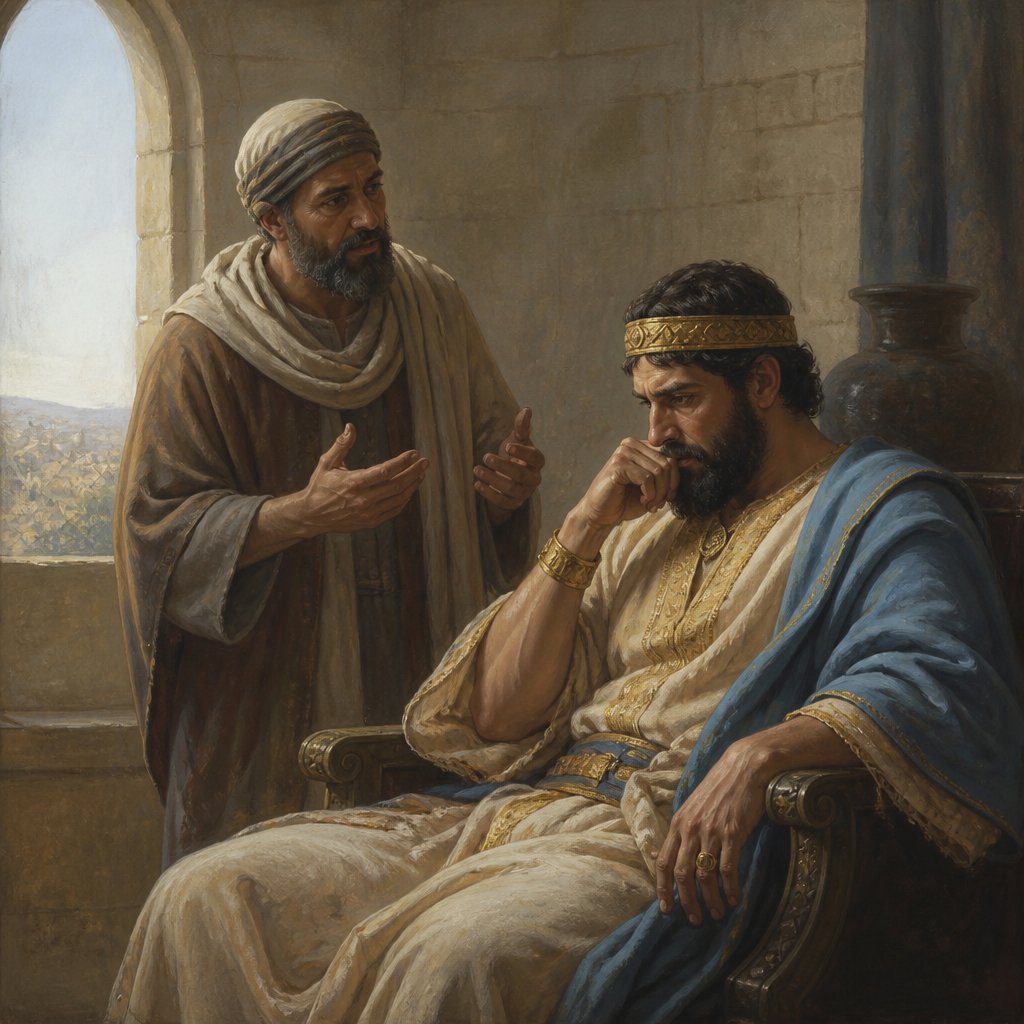
The King James Version of Mark 6:14 states, "And king Herod heard of him; (for his name was spread abroad:) and he said, That John the Baptist was risen from the dead, and therefore mighty works do shew forth themselves in him." This verse comes from the Gospel of Mark, which is one of the four gospels included in the New Testament. This particular passage focuses on an important event in the life of Jesus Christ and the impact he had on those around him.
The context of Mark 6:14 is the growing notoriety of Jesus and his miraculous deeds. King Herod Antipas, ruler of Galilee and Perea, heard of Jesus' growing reputation and mistakenly believed that Jesus was actually John the Baptist risen from the dead. This misunderstanding of Jesus' identity reflects the confusion and awe that surrounded Jesus' ministry. The verse serves as a reminder of the high regard in which John the Baptist was held, as well as the impact of Jesus' powerful works.
One of the key themes in Mark 6:14 is the idea of notoriety and fame. Jesus' name had become well known throughout the region, and his reputation preceded him wherever he went. This widespread recognition of Jesus' abilities and teachings reflects the impact he had on the people he encountered. Additionally, the verse highlights the idea of mistaken identity and the speculation surrounding Jesus' true nature. The fact that King Herod thought Jesus was John the Baptist risen from the dead speaks to the confusion and wonder that surrounded Jesus' ministry.
Another important theme in Mark 6:14 is the idea of resurrection and the afterlife. King Herod's belief that Jesus was actually John the Baptist resurrected from the dead shows the prevalence of such beliefs during that time. This theme ties into the broader Christian narrative of Jesus' own resurrection and the hope of eternal life for believers. The verse serves as a precursor to the pivotal event of Jesus' resurrection, which is a central tenet of the Christian faith.
Symbolism also plays a significant role in Mark 6:14. The mistaken belief that Jesus was John the Baptist risen from the dead represents the idea of continuity and renewal. It underscores the idea that the work of John the Baptist was being carried on through Jesus, further cementing Jesus' role as a significant spiritual figure. This symbolizes the interconnectedness of past and present, as well as the continuation of God's plan through different messengers.
Overall, Mark 6:14 presents a thought-provoking and significant moment in the narrative of Jesus' life and ministry. The verse encapsulates themes of notoriety, misunderstanding, resurrection, and symbolic continuity. It serves as a precursor to the pivotal events of Jesus' crucifixion and resurrection, while also emphasizing the impact of his teachings and miracles on those around him. The verse ultimately points to the profound and transformative nature of Jesus' ministry and the enduring impact of his message.
Have questions about Mark 6:14?
Dive deeper into this scripture with Bible Chat — an AI-powered tool for exploring God's Word through conversation. Ask questions, get context, and grow in your understanding of the Bible.
Get Our Apps


Mark 6:14 Artwork

Mark 6:14 - "And king Herod heard of him; (for his name was spread abroad:) and he said, That John the Baptist was risen from the dead, and therefore mighty works do shew forth themselves in him."
"And king Herod heard of him; (for his name was spread abroad:) and he said, That John the Baptist was risen from the dead, and therefore mighty works do shew forth themselves in him." - Mark 6:14

Mark 14:6 - "And Jesus said, Let her alone; why trouble ye her? she hath wrought a good work on me."

Mark 6:1-6
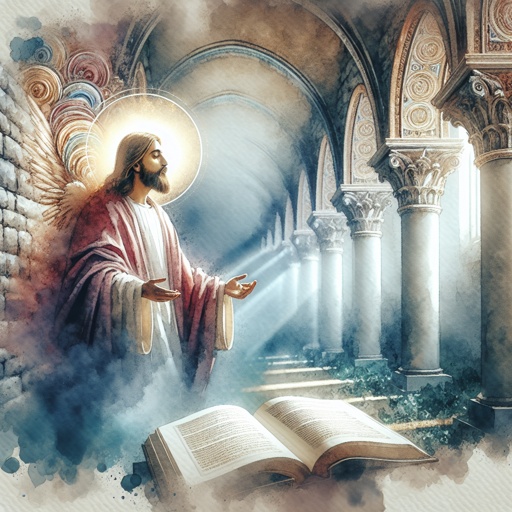
Mark 14:51

Mark 4:14 - "¶ The sower soweth the word."

Mark 14:17 - "And in the evening he cometh with the twelve."

Mark 14:50 - "And they all forsook him, and fled."
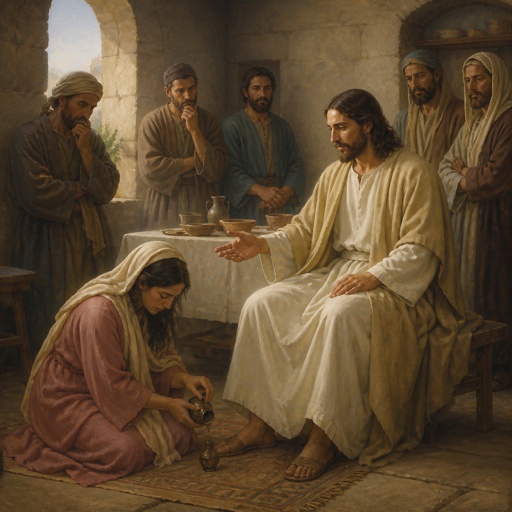
"And Jesus said, Let her alone; why trouble ye her? she hath wrought a good work on me." - Mark 14:6

Mark 14:46 - "¶ And they laid their hands on him, and took him."

Mark 16:6-8

Mark 16:6-8

Mark 6:6 - "And he marvelled because of their unbelief. And he went round about the villages, teaching."

Mark 16:6-8

Mark 14:59 - "But neither so did their witness agree together."

Mark 14:2 - "But they said, Not on the feast day, lest there be an uproar of the people."

Mark 6:32 - "And they departed into a desert place by ship privately."
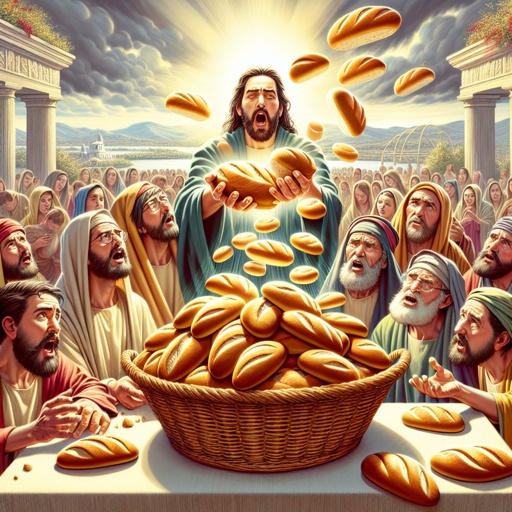
Mark 6:52 - "For they considered not the miracle of the loaves: for their heart was hardened."

Mark 6:9 - "But be shod with sandals; and not put on two coats."

Mark 6:40 - "And they sat down in ranks, by hundreds, and by fifties."

"¶ The sower soweth the word." - Mark 4:14

Mark 14:39 - "And again he went away, and prayed, and spake the same words."

Mark 14:57 - "And there arose certain, and bare false witness against him, saying,"

Mark 6:42 - "And they did all eat, and were filled."

Mark 14:26 - "¶ And when they had sung an hymn, they went out into the mount of Olives."

Mark 14:66 - "¶ And as Peter was beneath in the palace, there cometh one of the maids of the high priest:"

Mark 14:52 - "And he left the linen cloth, and fled from them naked."
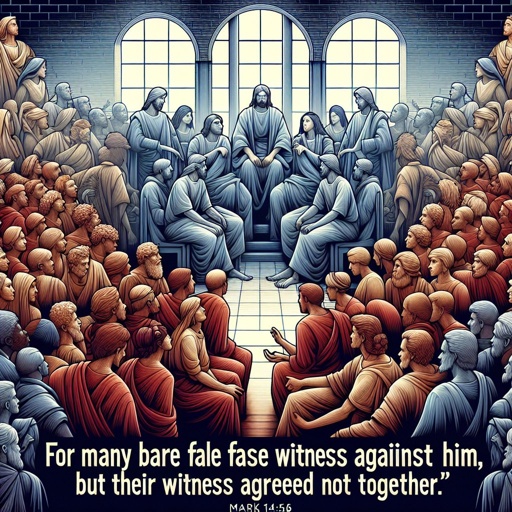
Mark 14:56 - "For many bare false witness against him, but their witness agreed not together."

Mark 2:6 - "But there were certain of the scribes sitting there, and reasoning in their hearts,"
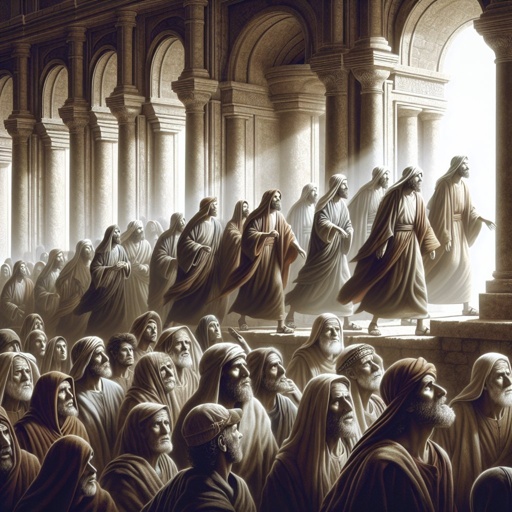
Mark 6:12 - "And they went out, and preached that men should repent."