What does Mark 4:14 mean?
"¶ The sower soweth the word." - Mark 4:14

The verse Mark 4:14 in the King James Version of the Bible reads, "The sower soweth the word."
This verse is part of a parable that Jesus tells to his disciples in the book of Mark. In this parable, Jesus compares the spreading of the word of God to a farmer sowing seeds in a field. The farmer scatters seeds, some of which fall on the path, some on rocky ground, some among thorns, and some on good soil. The seeds that fall on good soil grow and produce a crop, while the seeds that fall in less favorable conditions do not.
The primary theme of this verse is the spread of the Gospel. Jesus is the sower, and the word of God is the seed. The disciples and followers of Jesus are called to spread the word of God to all people, just as the seeds are scattered by the farmer. This verse emphasizes the importance of sharing the Gospel and the potential for a fruitful harvest when it falls on good soil. It also highlights the idea that not everyone will receive the word of God in the same way, and it may encounter resistance or rejection.
The context of this verse is important for understanding its deeper meaning. In the preceding verses, Jesus explains the purpose of parables to his disciples. He states that parables are used to teach spiritual truths to those who are receptive and seeking understanding, while concealing these truths from those who are not truly searching for them. This sets the stage for the parable of the sower and the subsequent explanation that Jesus provides to his disciples.
The symbolism in this verse is rich and layered. The sower represents Jesus and those who spread the word of God. The seed symbolizes the Gospel, which has the potential to take root and bear fruit in the hearts of those who receive it. The different types of soil represent the various conditions in which the word of God is received. The path, rocky ground, and thorns represent the hardened hearts, superficial faith, and worldly distractions that can hinder the growth of the word, while the good soil represents the open and receptive hearts that receive and respond to the Gospel.
The parable of the sower has important implications for Christian discipleship and evangelism. It challenges believers to consider how they are spreading the word of God and the receptiveness of those who hear it. It encourages Christians to be diligent in sharing the Gospel, recognizing that not all will respond positively, but that a productive harvest is possible among those who are open to God's message.
Additionally, this verse serves as a reminder of the transformative power of the Gospel. When the word of God is received in a receptive heart, it has the potential to take root and produce abundant spiritual fruit. It calls believers to be mindful of the condition of their own hearts and to cultivate a fertile soil for the word of God to grow within them.
In conclusion, the verse Mark 4:14 in the King James Version of the Bible conveys a powerful message about the spreading of the Gospel and the conditions in which it is received. It challenges believers to be faithful sowers of the word, recognizing that it has the potential to take root and bear fruit in the receptive hearts of those who hear it. It is a call to diligent evangelism and discipleship, as well as a reminder of the transformative power of the Gospel in the lives of those who receive it.
Have questions about Mark 4:14?
Dive deeper into this scripture with Bible Chat — an AI-powered tool for exploring God's Word through conversation. Ask questions, get context, and grow in your understanding of the Bible.
Get Our Apps


Mark 4:14 Artwork

Mark 4:14 - "¶ The sower soweth the word."

"¶ The sower soweth the word." - Mark 4:14

Mark 14:4 - "And there were some that had indignation within themselves, and said, Why was this waste of the ointment made?"

Philippians 4:14-20
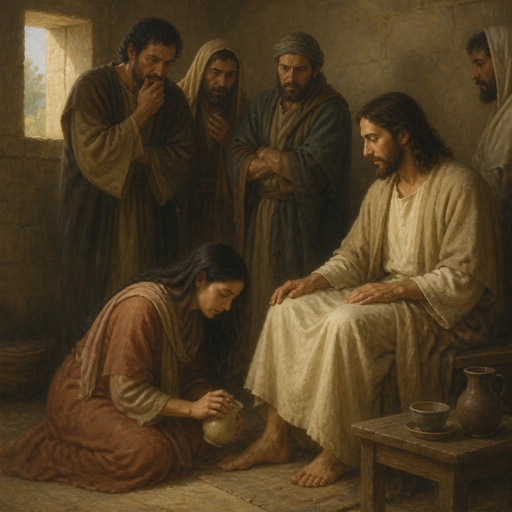
"And there were some that had indignation within themselves, and said, Why was this waste of the ointment made?" - Mark 14:4

Mark 14:51

Mark 14:17 - "And in the evening he cometh with the twelve."

Mark 14:50 - "And they all forsook him, and fled."

mark 2:4

mark 2:4

mark 2:4

mark 2:4

Mark 4:41

mark 2:4

Mark 4:41

Mark 4:41

Mark 2:4

mark 2:4

Mark 4:41

Mark 14:46 - "¶ And they laid their hands on him, and took him."

Mark 14:59 - "But neither so did their witness agree together."

Mark 14:2 - "But they said, Not on the feast day, lest there be an uproar of the people."

Mark 4:36-37

Mark 4:36-37

Mark 16:4-5

Mark 16:4-5

Mark 16:4-5

Mark 4:35-37

Mark 4:35-41

Mark 14:39 - "And again he went away, and prayed, and spake the same words."