What does Mark 3:31-35 mean?
"Then Jesus' mother and his brethren came, and standing without, sent unto him, calling him. And the multitude sat about him, and they said unto him, Behold, thy mother and thy brethren without seek for thee. And he answered them, saying, Who is my mother, or my brethren? And he looked round about on them which sat about him, and said, Behold my mother and my brethren! For whosoever shall do the will of God, the same is my brother, and my sister, and mother." - Mark 3:31-35
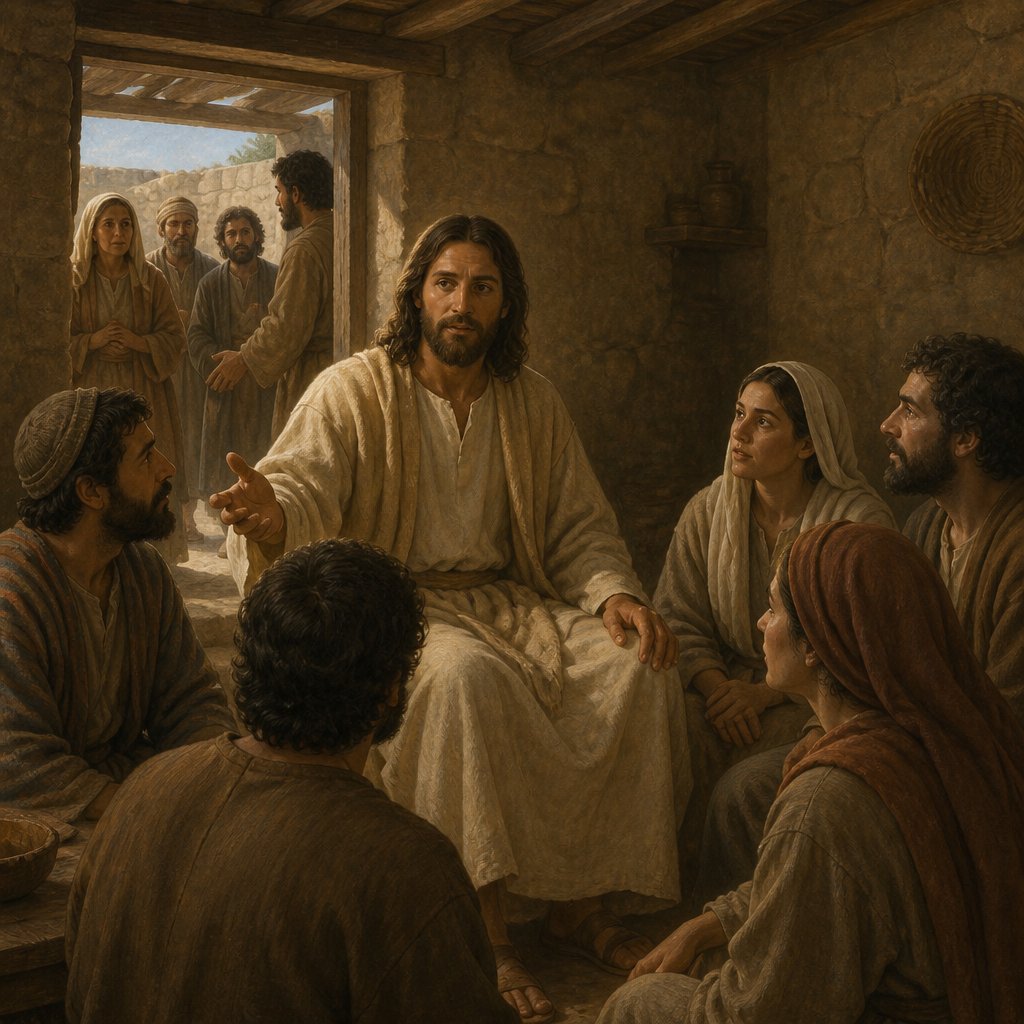
Mark 3:31-35 in the King James Version (KJV) reads:
"31 There came then his brethren and his mother, and, standing without, sent unto him, calling him.
32 And the multitude sat about him, and they said unto him, Behold, thy mother and thy brethren without seek for thee.
33 And he answered them, saying, Who is my mother, or my brethren?
34 And he looked round about on them which sat about him, and said, Behold my mother and my brethren!
35 For whosoever shall do the will of God, the same is my brother, and my sister, and mother."
This passage is part of a larger section in the Gospel of Mark where Jesus' family, particularly his mother, and his relationship with them is discussed. There are several themes and symbols that can be found in this passage, shedding light on the divine nature of Christ and the importance of obedience to God.
The context of this passage is important in order to understand its full meaning. At the beginning of Mark chapter 3, Jesus is in Capernaum, where he heals a man with a withered hand on the Sabbath, eliciting the anger of the Pharisees. He then goes to a mountainside and appoints the twelve disciples, giving them authority to drive out demons. Following this, he heals many people, attracting large crowds.
It is in the midst of this activity that Jesus' family arrives, looking for him. They send word to him, and the crowd informs Jesus of their presence, prompting him to question the nature of his relationships. When Jesus asks "Who is my mother, or my brethren?" he is not seeking to disown his family, but rather to emphasize the importance of spiritual relationships over physical ones. This is a powerful statement about the universal family of God, and the bonds that are formed through obedience to His will.
One of the themes present in this passage is the concept of obedience and the will of God. Jesus makes it clear that those who do the will of God are considered his family. This highlights the importance of faith and obedience in forming a relationship with Jesus, emphasizing the spiritual nature of his family. It also serves as a reminder that our primary allegiance is to God and not to earthly relationships, and that following God's will can establish a deeper and more meaningful bond with Christ.
Another theme in this passage is the divine nature of Christ. By questioning the nature of his relationships, Jesus is pointing to the fact that his true family consists of those who do the will of God. This emphasizes his identity as the divine Son of God, whose relationships are defined by spiritual rather than earthly parameters. It also underlines the universal nature of Christ's message, which transcends cultural, social, and familial boundaries.
The symbolism found in this passage lies in the contrast between physical and spiritual relationships. Jesus uses the image of his mother and brothers to illustrate the priority of spiritual bonds, suggesting that the family of God is not determined by blood, but by faith and obedience. This symbolism serves as a powerful reminder of the transformative power of faith, and the way in which it can unite people in a deeper and more profound way than physical ties.
In conclusion, Mark 3:31-35 in the King James Version (KJV) offers a profound insight into the nature of spiritual relationships and the divine identity of Christ. It emphasizes the importance of obedience to God's will in forming a bond with Jesus, and highlights the universal nature of his message. This passage serves as a powerful reminder of the transformative and unifying power of faith, and the way in which it can redefine and elevate our understanding of familial relationships.
Have questions about Mark 3:31-35?
Dive deeper into this scripture with Bible Chat — an AI-powered tool for exploring God's Word through conversation. Ask questions, get context, and grow in your understanding of the Bible.
Get Our Apps


Mark 3:31-35 Artwork

Mark 3:31-35 - "Then Jesus' mother and brothers arrived. Standing outside, they sent someone in to call him. A crowd was sitting around him, and they told him, “Your mother and brothers are outside looking for you.” “Who are my mother and my brothers?” he asked. Then he looked at those seated in a circle around him and said, “Here are my mother and my brothers! Whoever does God’s will is my brother and sister and mother.”"
"Then Jesus' mother and brothers arrived. Standing outside, they sent someone in to call him. A crowd was sitting around him, and they told him, “Your mother and brothers are outside looking for you.” “Who are my mother and my brothers?” he asked. Then he looked at those seated in a circle around him and said, “Here are my mother and my brothers! Whoever does God’s will is my brother and sister and mother.”" - Mark 3:31-35

Mark 3:31-34

Mark 3:35 - "For whosoever shall do the will of God, the same is my brother, and my sister, and mother."

Mark 3:31 - "¶ There came then his brethren and his mother, and, standing without, sent unto him, calling him."

Genesis 31:35

Mark 8:35

Mark 8:35

Mark 8:35

Mark 8:35
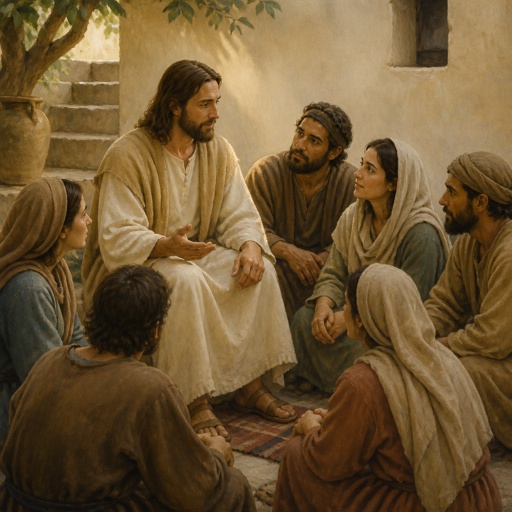
"For whosoever shall do the will of God, the same is my brother, and my sister, and mother." - Mark 3:35
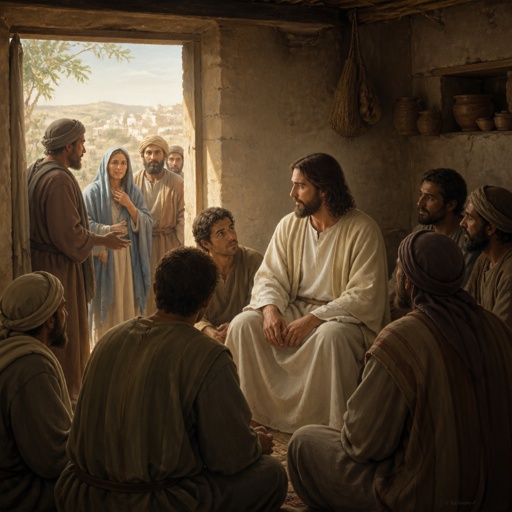
"¶ There came then his brethren and his mother, and, standing without, sent unto him, calling him." - Mark 3:31

John 13:31-35

Mark 8:27 - 35

Mark 10:35-45

Mark 10:35-45

Mark 4:35-41

Mark 10:35-45

Mark 8:27 - 35

Mark 8:27 - 35

Mark 8:27 - 35

Mark 10:35-45

Mark 8:27 - 35

Mark 4:35-37

Mark 3:1 - "And he entered again into the synagogue; and there was a man there which had a withered hand."

Mark 10:31

Mark 7:31-37

Mark 7:31-37

Mark 15:35 - "And some of them that stood by, when they heard it, said, Behold, he calleth Elias."

Mark 10:31 - "But many that are first shall be last; and the last first."