What does Mark 3:13 mean?
"And he goeth up into a mountain, and calleth unto him whom he would: and they came unto him." - Mark 3:13
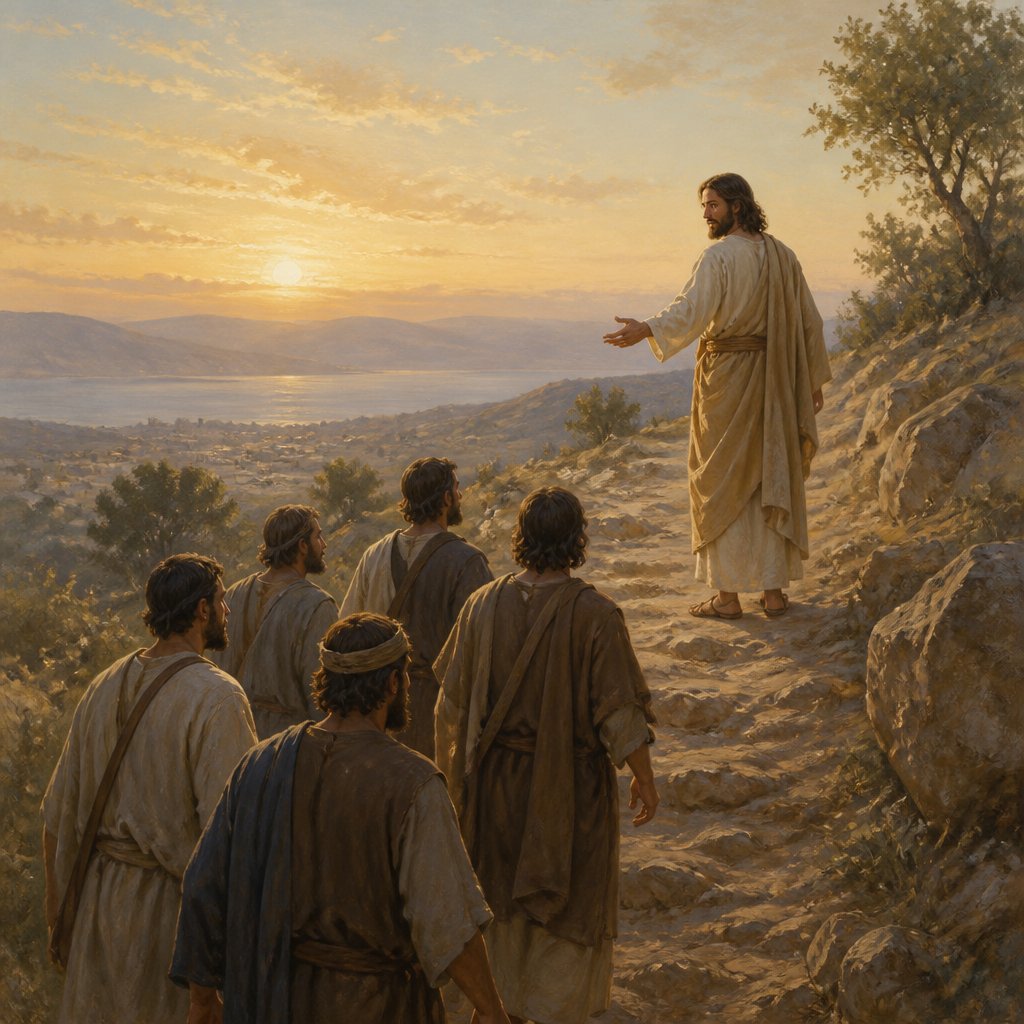
Mark 3:13 in the King James Version of the Bible reads, "And he goeth up into a mountain, and calleth unto him whom he would: and they came unto him." This verse is part of the larger narrative of the Gospel of Mark, which is one of the four Gospels that chronicle the life, teachings, death, and resurrection of Jesus Christ. In this particular verse, the focus is on Jesus calling his twelve disciples to him on a mountain.
One of the key themes presented in this verse is the divine authority of Jesus. The fact that Jesus goes up into a mountain to call his disciples to him illustrates his position as a leader and teacher. Throughout the Gospels, mountains are often depicted as places of encounter with the divine. In this context, the mountain serves as a backdrop for Jesus to exert his authority and select those whom he wishes to become his disciples. This act of calling the disciples demonstrates Jesus's role as the authoritative figure who has the power to choose and appoint his followers.
Another important theme in this verse is the idea of discipleship and obedience. The fact that the disciples came to Jesus when he called them underscores their willingness to follow him and learn from him. This episode highlights the initial stages of discipleship, as the chosen individuals respond to Jesus's invitation and begin their journey of learning from him. This theme of discipleship and obedience is central to the Christian faith, as it emphasizes the significance of following Jesus and adhering to his teachings.
The context of this verse within the larger narrative of the Gospel of Mark is also significant. Prior to calling the disciples to him on the mountain, Jesus had already begun his ministry, preaching the good news of the kingdom of God and performing various miracles. The calling of the disciples marks a pivotal moment in Jesus's ministry, as he begins to assemble a group of individuals who will become key figures in spreading his message and continuing his work after his departure. This event sets the stage for the disciples to accompany Jesus, witness his teachings and miracles, and ultimately become apostles who play a crucial role in the early Christian church.
There is also symbolism inherent in the action of Jesus going up into a mountain to call his disciples. Throughout the Bible, mountains are often associated with encounters with God, moments of revelation, and the receiving of divine instructions. For example, Moses received the Ten Commandments on Mount Sinai, and Jesus delivered his renowned Sermon on the Mount. In this context, the mountain represents a place of divine revelation and authority, underscoring the significance of Jesus's act of calling the disciples on its slopes.
In summary, Mark 3:13 captures a crucial moment in the ministry of Jesus, as he asserts his authority by calling his chosen followers to him on a mountain. This verse highlights themes of divine authority, discipleship, and obedience, and is symbolic of the pivotal role that the disciples will play in continuing Jesus's work. It also underscores the larger narrative of the Gospel of Mark, emphasizing the significance of this event in the overall ministry of Jesus. Ultimately, this verse serves as a foundational element in the overarching story of Jesus's life and mission, and it continues to hold deep theological and spiritual significance for Christians today.
Have questions about Mark 3:13?
Dive deeper into this scripture with Bible Chat — an AI-powered tool for exploring God's Word through conversation. Ask questions, get context, and grow in your understanding of the Bible.
Get Our Apps


Mark 3:13 Artwork

Mark 3:13 - "And he goeth up into a mountain, and calleth unto him whom he would: and they came unto him."
"And he goeth up into a mountain, and calleth unto him whom he would: and they came unto him." - Mark 3:13

Mark 13:3 - "And as he sat upon the mount of Olives over against the temple, Peter and James and John and Andrew asked him privately,"

Mark 13:7

Mark 13:8

Mark 13:8

Mark 13:7

Mark 13:8

Mark 13:7

Mark 13:28-37

Mark 13:28-37

Mark 10:13–16

Mark 13:28-37

Mark 13:28-37

Mark 15:13 - "And they cried out again, Crucify him."

Mark 13:18 - "And pray ye that your flight be not in the winter."

Mark 13:33 watch and pray

Mark 13:33 watch and pray

Philippians 3:13-14 - "Brethren, I count not myself to have apprehended: but this one thing I do, forgetting those things which are behind, and reaching forth unto those things which are before, I press toward the mark for the prize of the high calling of God in Christ Jesus."
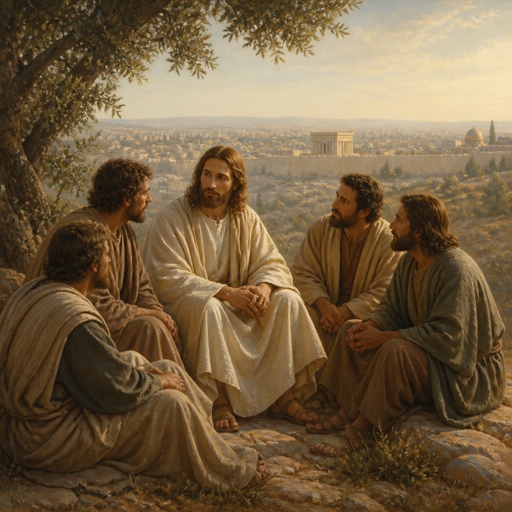
"And as he sat upon the mount of Olives over against the temple, Peter and James and John and Andrew asked him privately," - Mark 13:3

Mark 3:3 - "And he saith unto the man which had the withered hand, Stand forth."

Mark 16:13 - "And they went and told it unto the residue: neither believed they them."

Mark 13:10 - "And the gospel must first be published among all nations."

Mark 13:36 - "Lest coming suddenly he find you sleeping."

Mark 13:13 - "And ye shall be hated of all men for my name's sake: but he that shall endure unto the end, the same shall be saved."

Mark 3:31-34

Revelation 13:18 Mark of the Beast 666

Mark 13:17 - "But woe to them that are with child, and to them that give suck in those days!"

Mark 3:16 - "And Simon he surnamed Peter;"

Mark 13:25 - "And the stars of heaven shall fall, and the powers that are in heaven shall be shaken."