What does Mark 3:12 mean?
"And he straitly charged them that they should not make him known." - Mark 3:12
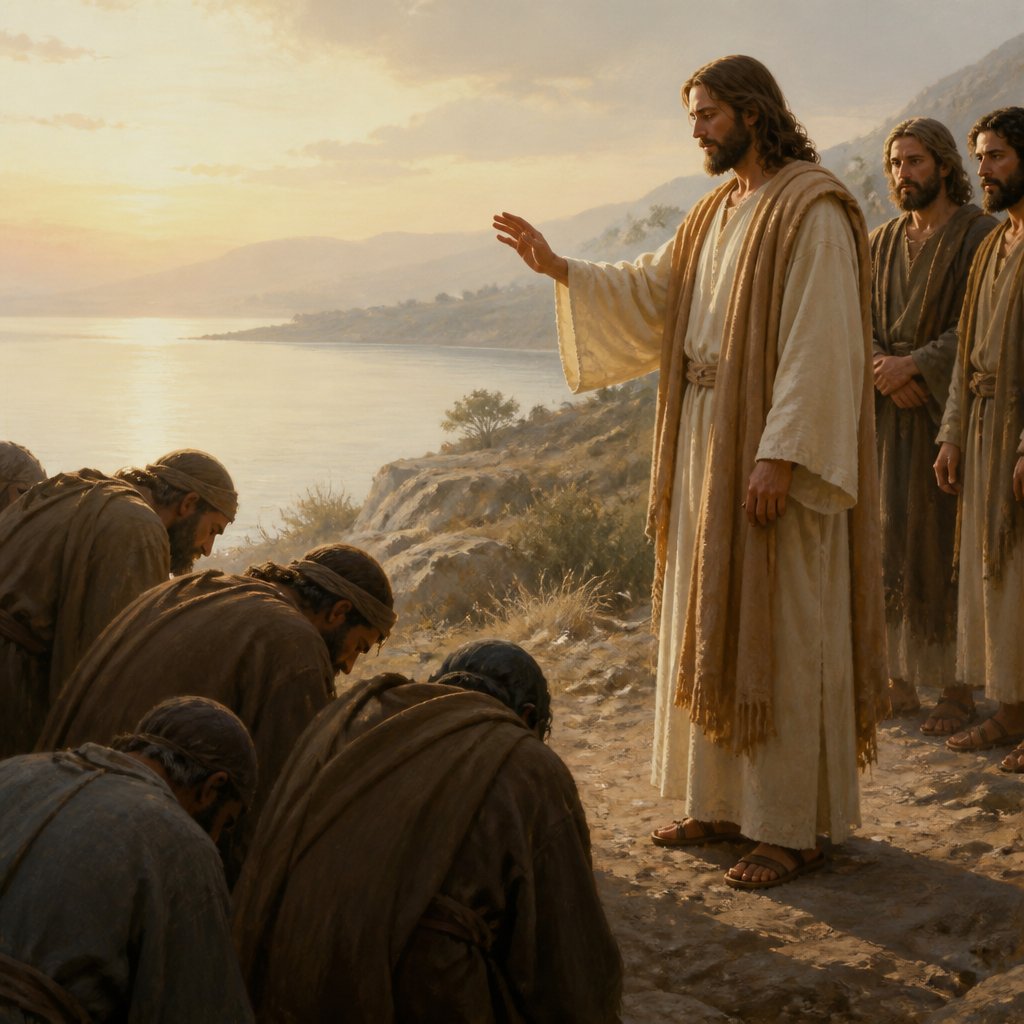
Mark 3:12 (KJV) states, "And he straitly charged them that they should not make him known." This verse is part of a larger passage that describes Jesus healing a multitude of people and casting out demons. In this specific verse, Jesus is instructing those who have witnessed these miracles not to spread the news of what he has done. This command has multiple layers of meaning and significance within the broader context of the Gospel of Mark and the Christian faith.
One important theme in this verse is the concept of Messianic secrecy. Throughout the Gospel of Mark, Jesus frequently instructs those who witness his miracles not to publicize them. This concept is commonly referred to as the "Messianic secret" and has generated significant discussion and debate among biblical scholars. One interpretation of this theme is that Jesus was deliberately concealing his identity as the Messiah in order to fulfill the prophecies of the Old Testament. In this view, Jesus did not want his true nature to be widely known until the appropriate time, as revealing it too soon could have led to misunderstanding and misinterpretation of his mission.
Another interpretation of the Messianic secret is that Jesus was attempting to avoid the sensationalism and hype that often accompanied miraculous healings and exorcisms during his time. By instructing people to keep his miracles private, Jesus may have been trying to shift the focus away from the physical healings themselves and towards the spiritual and moral teachings he offered. This interpretation aligns with Jesus' broader message of humility, selflessness, and prioritizing inner transformation over external displays of power.
In addition to the theme of Messianic secrecy, Mark 3:12 also offers insight into the nature of Jesus' divine mission and the concept of voluntary suffering. By instructing others not to make him known, Jesus is demonstrating his commitment to a particular path and purpose. This verse can be seen as a prelude to Jesus' ultimate act of self-sacrifice on the cross. It suggests that Jesus was not seeking personal fame or acclaim, but rather focused on fulfilling his mission to bring salvation to humanity. This selfless attitude is a central aspect of Jesus' teachings and represents a model of humility and service for Christians to emulate.
The broader context of Mark 3:12 within the Gospel of Mark also reveals the escalating tension between Jesus and the religious authorities of his time. As Jesus' fame and reputation grew through his miraculous healings and teachings, the religious leaders became increasingly threatened by his message and authority. Jesus' instruction to keep his miracles private can be seen as a response to this growing opposition, a deliberate attempt to avoid unnecessary conflict and confrontation.
Symbolically, this verse can be interpreted as a call to humility and selflessness. Jesus' request for his miracles to be kept private aligns with his broader teachings on the virtues of modesty and inward focus. It also serves as a reminder of the importance of discernment and wisdom in the use of spiritual gifts. Rather than seeking personal recognition and praise, Jesus encourages a more nuanced understanding of his miracles, one that emphasizes their spiritual significance and ethical implications.
In conclusion, Mark 3:12 is a verse rich with implications for the broader themes of the Gospel of Mark and the Christian faith. It offers insights into the nature of Jesus' divine mission, the concept of Messianic secrecy, and the virtues of humility and selflessness. By instructing others not to make him known, Jesus exemplifies a model of self-sacrificial service and emphasizes the spiritual and moral dimensions of his miracles. This verse serves as a reminder for Christians to prioritize inner transformation over external displays of power and to approach the use of spiritual gifts with discernment and wisdom.
Have questions about Mark 3:12?
Dive deeper into this scripture with Bible Chat — an AI-powered tool for exploring God's Word through conversation. Ask questions, get context, and grow in your understanding of the Bible.
Get Our Apps


Mark 3:12 Artwork

Mark 3:12 - "And he straitly charged them that they should not make him known."
"And he straitly charged them that they should not make him known." - Mark 3:12

Mark 12:3 - "And they caught him, and beat him, and sent him away empty."

Lamentations 3:12 - "He hath bent his bow, and set me as a mark for the arrow."
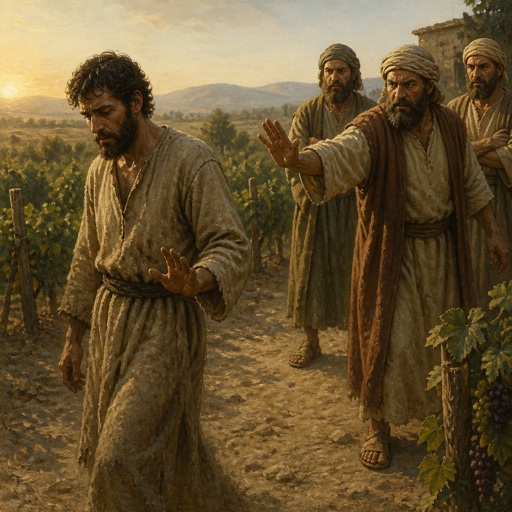
"And they caught him, and beat him, and sent him away empty." - Mark 12:3
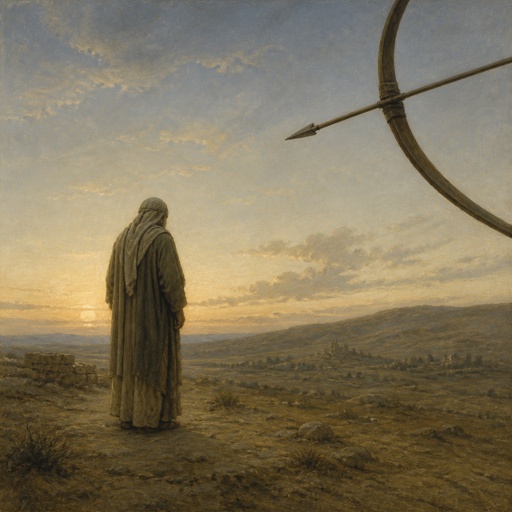
"He hath bent his bow, and set me as a mark for the arrow." - Lamentations 3:12

Mark 12:8

Mark 12:8

Mark 15:12

mark 2:1-12

Mark 12:41 - 44
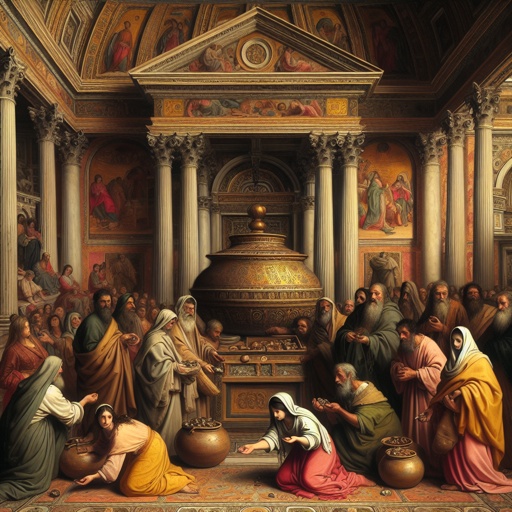
Mark 12:41 - 44

Mark 12:41 - 44

Mark 2:1-12

Mark 12:41 - 44

Mark 12:41 - 44

Mark 12:11 - "This was the Lord's doing, and it is marvellous in our eyes?"

Mark 1:12 - "And immediately the Spirit driveth him into the wilderness."

Mark 3:3 - "And he saith unto the man which had the withered hand, Stand forth."

Mark 12:39 - "And the chief seats in the synagogues, and the uppermost rooms at feasts:"
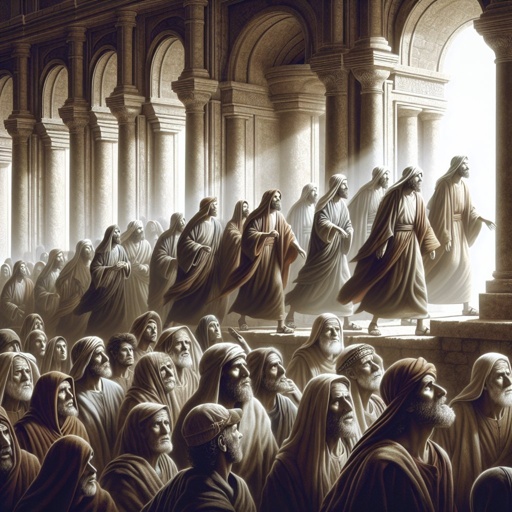
Mark 6:12 - "And they went out, and preached that men should repent."

Mark 3:31-34

Mark 3:16 - "And Simon he surnamed Peter;"

Acts 12:12 - "And when he had considered the thing, he came to the house of Mary the mother of John, whose surname was Mark; where many were gathered together praying."

Mark 12:12 - "And they sought to lay hold on him, but feared the people: for they knew that he had spoken the parable against them: and they left him, and went their way."

Mark 11:12 - "¶ And on the morrow, when they were come from Bethany, he was hungry:"

Mark 12:8 - "And they took him, and killed him, and cast him out of the vineyard."

Mark 4:3 - "Hearken; Behold, there went out a sower to sow:"

Mark 3:30 - "Because they said, He hath an unclean spirit."

Mark 12:18 - "¶ Then come unto him the Sadducees, which say there is no resurrection; and they asked him, saying,"