What does Mark 1:31 mean?
"And he came and took her by the hand, and lifted her up; and immediately the fever left her, and she ministered unto them." - Mark 1:31

Mark 1:31 (KJV) - "And he came and took her by the hand, and lifted her up; and immediately the fever left her, and she ministered unto them."
This verse is a part of the larger passage that describes the healing ministry of Jesus. In the verses preceding this one, we see Jesus entering the home of Simon Peter and Andrew and finding Simon's mother-in-law sick with a fever. In verse 30, it says, "But Simon's wife's mother lay sick of a fever, and anon they tell Him of her."
The context of this passage is important for understanding the significance of Mark 1:31. Jesus has recently begun His public ministry, and news of His teachings and miracles are spreading throughout the region. In this particular instance, Jesus is in Capernaum, a town on the northern shore of the Sea of Galilee.
It's worth noting that Mark's Gospel emphasizes Jesus as a healer and teacher. This is the first of many healing stories in Mark's Gospel, and it sets the tone for Jesus' ministry of compassion and mercy. The fact that Jesus takes notice of and heals this woman - a person of marginalized status in her society - is significant in the larger theme of Jesus' outreach to the outcasts and downtrodden.
Now, let's look at the details of Mark 1:31 itself. The verse starts by saying, "And he came and took her by the hand, and lifted her up." This action of Jesus reaching out and physically touching the woman speaks to His personal care and concern for her. In a society where those who were sick were often ostracized and considered unclean, Jesus' willingness to touch the woman demonstrates a radical departure from the prevailing cultural norms of the time.
The verse continues, "and immediately the fever left her, and she ministered unto them." Here, we see the immediacy and power of Jesus' healing. The fever, which had incapacitated the woman, is instantly gone as a result of Jesus' touch. This highlights Jesus' authority and ability to bring about miraculous healings. Furthermore, the fact that the woman immediately gets up and begins to serve them indicates her gratitude and response to the compassion shown to her by Jesus. It also emphasizes the practical impact of Jesus' healing ministry.
This verse carries several themes that run throughout the Gospel of Mark. Firstly, it showcases Jesus' authority over sickness and disease. This is a recurring theme in Mark's Gospel, where Jesus is portrayed as having power over the physical and spiritual ailments of humanity. It serves as a reminder of Jesus' divine nature and His ability to bring about restoration and wholeness in people's lives.
Secondly, the verse underscores Jesus' compassion and care for the marginalized and suffering. By reaching out to the sick woman and healing her, Jesus epitomizes His mission to bring hope and healing to those in need. This aligns with the broader theme of Jesus' ministry as a whole, which is characterized by love, mercy, and a bias towards the vulnerable.
Thirdly, the verse conveys the immediate response and transformation that come with encountering Jesus. Just as the fever immediately left the woman and she began to serve them, encountering Jesus often leads to a radical and instantaneous change in people's lives. This serves as a powerful depiction of the transformative impact of Jesus' presence and power.
In terms of symbolism, the act of Jesus taking the woman by the hand and lifting her up can be seen as a metaphor for His desire to lift humanity out of suffering and despair. His touch represents His divine intervention in the lives of individuals, bringing about restoration and a renewed sense of purpose. The woman's subsequent service can symbolize the natural response of gratitude and discipleship that follows experiencing Jesus' healing and grace.
In conclusion, Mark 1:31 is a poignant and significant verse that encapsulates the themes of Jesus' healing ministry, His compassion for the marginalized, and His transformative power. It serves as a powerful reminder of Jesus' desire to bring about wholeness and restoration in people's lives and the immediate impact of encountering His presence. This verse exemplifies the profound message of hope, healing, and renewal that lies at the heart of the Gospel of Mark.
Have questions about Mark 1:31?
Dive deeper into this scripture with Bible Chat — an AI-powered tool for exploring God's Word through conversation. Ask questions, get context, and grow in your understanding of the Bible.
Get Our Apps


Mark 1:31 Artwork

Mark 1:31 - "And he came and took her by the hand, and lifted her up; and immediately the fever left her, and she ministered unto them."

"And he came and took her by the hand, and lifted her up; and immediately the fever left her, and she ministered unto them." - Mark 1:31

Mark 10:31

Mark 7:31-37

Mark 3:31-34

Mark 7:31-37

Mark 10:31 - "But many that are first shall be last; and the last first."

Mark 13:31 - "Heaven and earth shall pass away: but my words shall not pass away."

Mark 3:31 - "¶ There came then his brethren and his mother, and, standing without, sent unto him, calling him."

Job 33:31 - "Mark well, O Job, hearken unto me: hold thy peace, and I will speak."

Mark 4:31 - "It is like a grain of mustard seed, which, when it is sown in the earth, is less than all the seeds that be in the earth:"

Mark 12:31 - "And the second is like, namely this, Thou shalt love thy neighbour as thyself. There is none other commandment greater than these."

"But many that are first shall be last; and the last first." - Mark 10:31

Mark 11:31 - "And they reasoned with themselves, saying, If we shall say, From heaven; he will say, Why then did ye not believe him?"

Mark 5:31 - "And his disciples said unto him, Thou seest the multitude thronging thee, and sayest thou, Who touched me?"

Mark 7:31 - "¶ And again, departing from the coasts of Tyre and Sidon, he came unto the sea of Galilee, through the midst of the coasts of Decapolis."

Mark 15:31 - "Likewise also the chief priests mocking said among themselves with the scribes, He saved others; himself he cannot save."

Mark 14:31 - "But he spake the more vehemently, If I should die with thee, I will not deny thee in any wise. Likewise also said they all."

"And the second is like, namely this, Thou shalt love thy neighbour as thyself. There is none other commandment greater than these." - Mark 12:31

Mark 8:31 - "And he began to teach them, that the Son of man must suffer many things, and be rejected of the elders, and of the chief priests, and scribes, and be killed, and after three days rise again."

Mark 6:31 - "And he said unto them, Come ye yourselves apart into a desert place, and rest a while: for there were many coming and going, and they had no leisure so much as to eat."

"Heaven and earth shall pass away: but my words shall not pass away." - Mark 13:31

Mark 9:31 - "For he taught his disciples, and said unto them, The Son of man is delivered into the hands of men, and they shall kill him; and after that he is killed, he shall rise the third day."

Luke 1:31
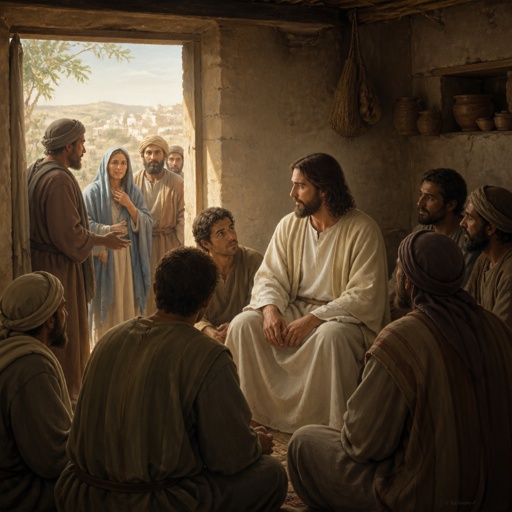
"¶ There came then his brethren and his mother, and, standing without, sent unto him, calling him." - Mark 3:31

Book of Mark in the Bible. Just with the word “Mark” in a Bible. No person or animal in the image

1 Chronicles 1:31 - "Jetur, Naphish, and Kedemah. These are the sons of Ishmael."

Exodus 26:31

Mateo 14:31

Exodus 26:31