What does Mark 14:42 mean?
"Rise up, let us go; lo, he that betrayeth me is at hand." - Mark 14:42

Mark 14:42 in the King James Version of the Bible reads, "Rise up, let us go; lo, he that betrayeth me is at hand." This verse occurs in the context of the betrayal of Jesus by Judas Iscariot. It comes at a crucial moment in the narrative, as Jesus and his disciples are in the Garden of Gethsemane, where Jesus has gone to pray before his impending crucifixion.
The verse 42 is preceded by Jesus telling his disciples to stay awake and pray, as he knows that his time of suffering is approaching. However, the disciples fall asleep, and Jesus finds them sleeping upon his return. He then urges them to wake up and prepare for the approaching betrayal. At this moment, Judas arrives with a crowd armed with swords and clubs to arrest Jesus, leading to his eventual crucifixion.
One of the key themes present in this verse is the idea of betrayal. In this context, Judas Iscariot betrays Jesus by leading the authorities to him. The idea of betrayal is a significant theme in the Bible, and it is often associated with the idea of loyalty, trust, and deception. In this verse, the immediacy of the betrayal is emphasized by the urgency in Jesus' words, "Rise up, let us go; lo, he that betrayeth me is at hand." This sense of betrayal adds to the dramatic tension of the narrative and underscores the magnitude of Jesus' sacrifice.
The context of this verse is important for understanding its significance. Jesus' time in the Garden of Gethsemane is a pivotal moment in the Bible, representing the culmination of his mission on earth. It is here that Jesus wrestles with the suffering he is about to endure and ultimately submits to the will of God. The betrayal by Judas serves as a catalyst for the events that lead to Jesus' crucifixion and, ultimately, his resurrection. This verse, therefore, holds a central place in the narrative of Jesus' sacrifice and the fulfillment of God's plan for salvation.
Symbolism is also present in this verse, particularly in the imagery of darkness and light. The arrival of Judas and the armed crowd signifies the forces of darkness and evil aligning against Jesus. This betrayal and subsequent arrest represent the culmination of the spiritual battle between good and evil, culminating in the crucifixion and resurrection of Jesus. The symbolism of light and darkness is a recurring motif in the Bible, representing the contrast between sin and righteousness, death and life, and despair and hope.
In conclusion, Mark 14:42 in the King James Version of the Bible captures a pivotal moment in the narrative of Jesus' betrayal and arrest. This verse encapsulates themes of betrayal, loyalty, and sacrifice, and it holds a central place in the overarching story of Jesus' mission and the fulfillment of God's plan for salvation. The symbolism present in this verse adds depth to its meaning, highlighting the spiritual significance of the events leading to Jesus' crucifixion and resurrection.
Have questions about Mark 14:42?
Dive deeper into this scripture with Bible Chat — an AI-powered tool for exploring God's Word through conversation. Ask questions, get context, and grow in your understanding of the Bible.
Get Our Apps


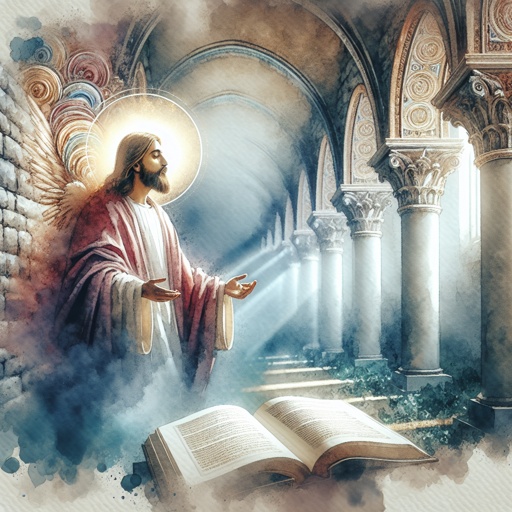
Mark 14:42 Artwork

Mark 14:42 - "Rise up, let us go; lo, he that betrayeth me is at hand."

"Rise up, let us go; lo, he that betrayeth me is at hand." - Mark 14:42

Mark 6:42 - "And they did all eat, and were filled."

Mark 15:42 - "¶ And now when the even was come, because it was the preparation, that is, the day before the sabbath,"

Mark 1:42 - "And as soon as he had spoken, immediately the leprosy departed from him, and he was cleansed."

"And they did all eat, and were filled." - Mark 6:42

Mark 12:42 - "And there came a certain poor widow, and she threw in two mites, which make a farthing."

Mark 5:42 - "And straightway the damsel arose, and walked; for she was of the age of twelve years. And they were astonished with a great astonishment."

Numbers 14:42 - "Go not up, for the LORD is not among you; that ye be not smitten before your enemies."

Mark 9:42 - "And whosoever shall offend one of these little ones that believe in me, it is better for him that a millstone were hanged about his neck, and he were cast into the sea."

"¶ And now when the even was come, because it was the preparation, that is, the day before the sabbath," - Mark 15:42

Genesis 42:14 - "And Joseph said unto them, That is it that I spake unto you, saying, Ye are spies:"
Mark 14:51

Job 42:14 - "And he called the name of the first, Jemima; and the name of the second, Kezia; and the name of the third, Keren-happuch."

1 Samuel 14:42 - "And Saul said, Cast lots between me and Jonathan my son. And Jonathan was taken."

Mark 4:14 - "¶ The sower soweth the word."

Mark 14:17 - "And in the evening he cometh with the twelve."

Mark 14:50 - "And they all forsook him, and fled."

"And there came a certain poor widow, and she threw in two mites, which make a farthing." - Mark 12:42

Mark 10:42 - "But Jesus called them to him, and saith unto them, Ye know that they which are accounted to rule over the Gentiles exercise lordship over them; and their great ones exercise authority upon them."

"And as soon as he had spoken, immediately the leprosy departed from him, and he was cleansed." - Mark 1:42

Mark 14:46 - "¶ And they laid their hands on him, and took him."

Leviticus 14:42 - "And they shall take other stones, and put them in the place of those stones; and he shall take other morter, and shall plaister the house."

Mark 14:59 - "But neither so did their witness agree together."

Mark 14:2 - "But they said, Not on the feast day, lest there be an uproar of the people."

"¶ The sower soweth the word." - Mark 4:14

Mark 14:39 - "And again he went away, and prayed, and spake the same words."

Mark 14:57 - "And there arose certain, and bare false witness against him, saying,"

Mark 14:26 - "¶ And when they had sung an hymn, they went out into the mount of Olives."

Mark 14:66 - "¶ And as Peter was beneath in the palace, there cometh one of the maids of the high priest:"