What does Mark 14:10-11 mean?
"Then Judas Iscariot, one of the Twelve, went to the chief priests to betray Jesus to them. And when they heard it, they were glad, and promised to give him money. And he sought how he might conveniently betray him." - Mark 14:10-11
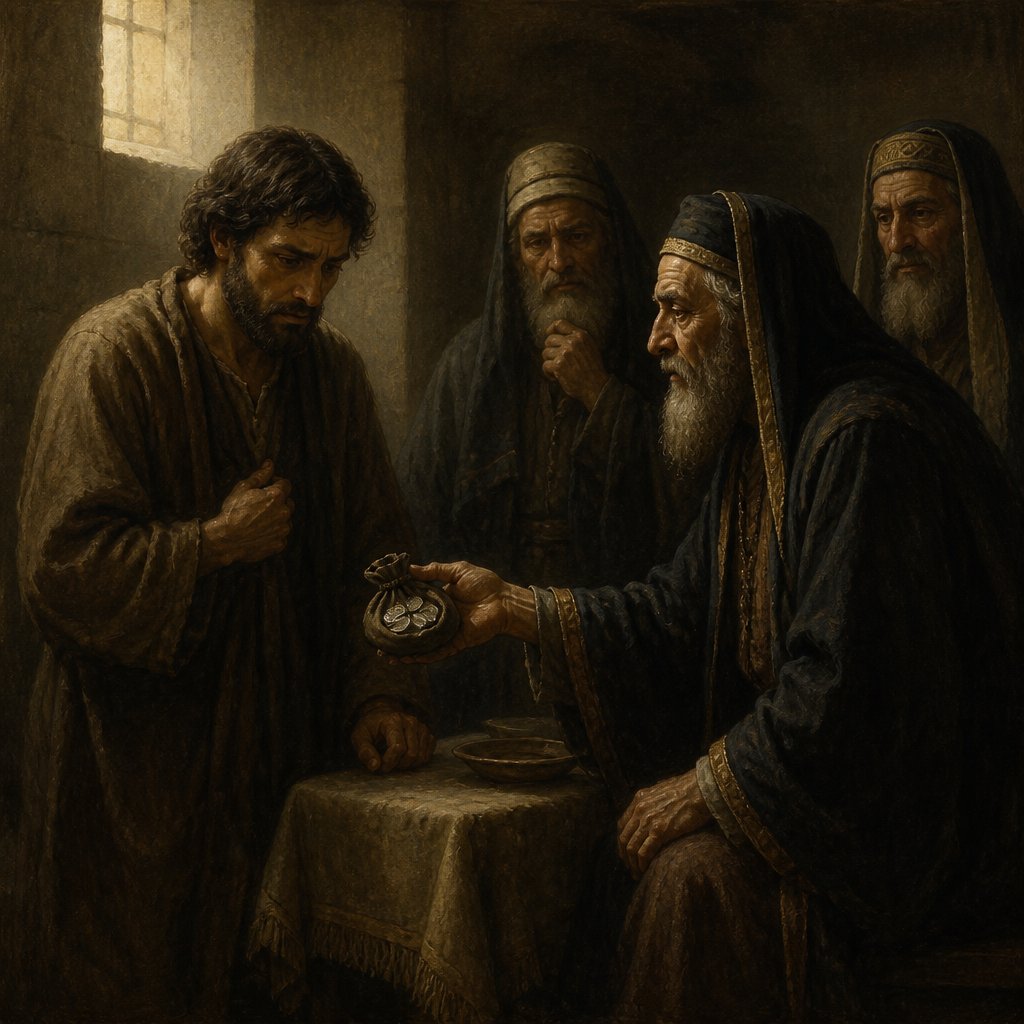
Mark 14:10-11 in the King James Version (KJV) reads:
"And Judas Iscariot, one of the twelve, went unto the chief priests, to betray Him unto them. And when they heard it, they were glad, and promised to give him money. And he sought how he might conveniently betray Him."
This passage occurs in the lead-up to the betrayal and crucifixion of Jesus Christ. Judas Iscariot, one of the twelve disciples, goes to the chief priests to betray Jesus. What is particularly significant about these verses is the portrayal of Judas as one of Jesus' closest followers who would ultimately betray Him for money.
The theme of betrayal is central to these verses. Judas, who had been chosen by Jesus to be one of His disciples, betrays Him for a sum of money. This act of betrayal raises profound questions about the nature of loyalty, trust, and deceit. The Bible foreshadows the betrayal in earlier chapters, as Jesus Himself predicts that one of his disciples will betray Him. Judas' actions highlight the human capacity for betrayal and the frailty of human loyalty, even within the close-knit circle of Jesus' disciples.
The context of these verses is crucial to understanding their significance. Jesus had been gaining popularity and drawing large crowds, causing concern and jealousy among the religious leaders of the time. Judas' betrayal is set within the backdrop of this increasing tension between Jesus and the religious authorities. His decision to hand Jesus over to the chief priests for money not only marks a pivotal turning point in the narrative but also underscores the deep-seated animosity that Jesus faced from those in power.
The portrayal of the chief priests as being "glad" when they hear of Judas' plan to betray Jesus is symbolic of the corruption and greed that had infiltrated the religious leadership of the time. Rather than seeking the truth and upholding justice, they are willing to pay Judas in exchange for Jesus' arrest. This emphasizes the moral decay and spiritual blindness of those who should have been leading the people in righteousness.
The theme of money and its corrupting influence is also evident in these verses. Judas' decision to betray Jesus for financial gain emphasizes the allure of material wealth and the potential for it to lead one astray from their faith and principles. This theme is particularly poignant in today's society, where the pursuit of wealth and power can often overshadow moral considerations and spiritual values.
The symbolism in these verses is striking. Judas' actions symbolize the betrayal of trust and the destructive power of greed. The chief priests represent the failure of religious institutions to uphold the values they are supposed to represent. Jesus, on the other hand, stands as the embodiment of selflessness, sacrifice, and unwavering love for humanity. His willingness to endure betrayal and ultimately give His life for the redemption of humanity is a powerful symbol of divine grace and forgiveness.
In conclusion, Mark 14:10-11 in the King James Version of the Bible captures the profound themes of betrayal, greed, and the flawed nature of humanity, set against the backdrop of Jesus' impending crucifixion. These verses serve as a poignant reminder of the enduring relevance of the biblical narrative and the timeless truths it conveys about the human condition and the redemptive power of Jesus' sacrifice.
Have questions about Mark 14:10-11?
Dive deeper into this scripture with Bible Chat — an AI-powered tool for exploring God's Word through conversation. Ask questions, get context, and grow in your understanding of the Bible.
Get Our Apps


Mark 14:10-11 Artwork

Mark 14:10-11 - "Then Judas Iscariot, one of the Twelve, went to the chief priests to betray Jesus to them. They were delighted to hear this and promised to give him money. So he watched for an opportunity to hand him over."
"Then Judas Iscariot, one of the Twelve, went to the chief priests to betray Jesus to them. They were delighted to hear this and promised to give him money. So he watched for an opportunity to hand him over." - Mark 14:10-11

Mark 11:10 - "Blessed be the kingdom of our father David, that cometh in the name of the Lord: Hosanna in the highest."

Mark 14:10 - "¶ And Judas Iscariot, one of the twelve, went unto the chief priests, to betray him unto them."

Mark 11:14 - "And Jesus answered and said unto it, No man eat fruit of thee hereafter for ever. And his disciples heard it."

Mark 14:11 - "And when they heard it, they were glad, and promised to give him money. And he sought how he might conveniently betray him."
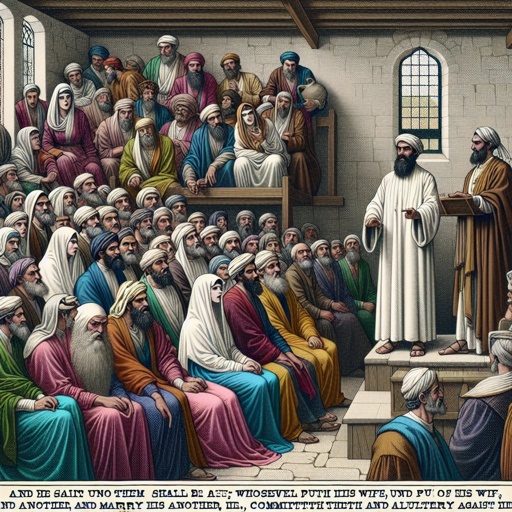
Mark 10:11 - "And he saith unto them, Whosoever shall put away his wife, and marry another, committeth adultery against her."

Mark 10:14 - "But when Jesus saw it, he was much displeased, and said unto them, Suffer the little children to come unto me, and forbid them not: for of such is the kingdom of God."

Revelation 14:11 - "And the smoke of their torment ascendeth up for ever and ever: and they have no rest day nor night, who worship the beast and his image, and whosoever receiveth the mark of his name."

Mark 10:14 (KJVA) 14 But when Jesus saw it, he was much displeased, and said unto them, Suffer the little children to come unto me, and forbid them not: for of such is the kingdom of God.
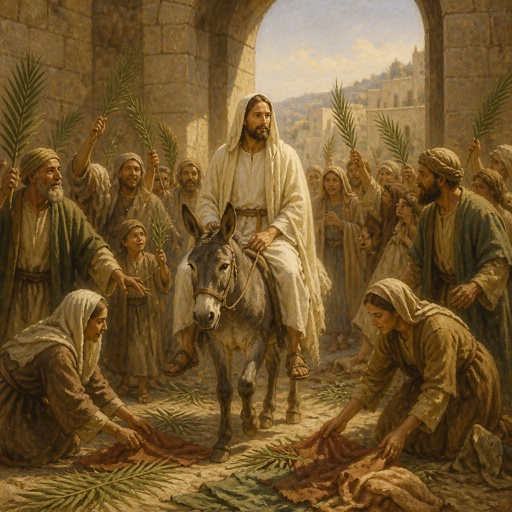
"Blessed be the kingdom of our father David, that cometh in the name of the Lord: Hosanna in the highest." - Mark 11:10

Mark 10:11-12 - "He answered, “Anyone who divorces his wife and marries another woman commits adultery against her. And if she divorces her husband and marries another man, she commits adultery."
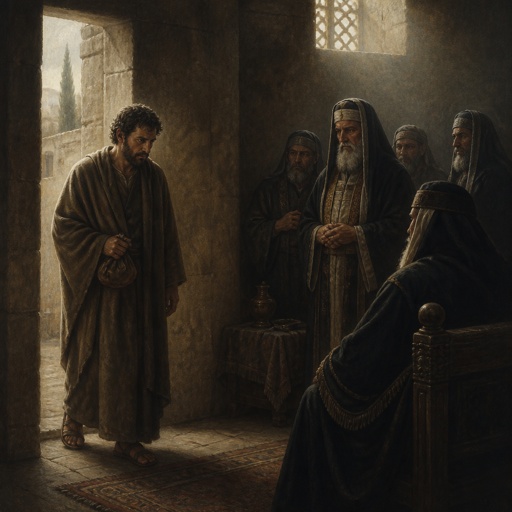
"¶ And Judas Iscariot, one of the twelve, went unto the chief priests, to betray him unto them." - Mark 14:10

Mark 10
Mark 10
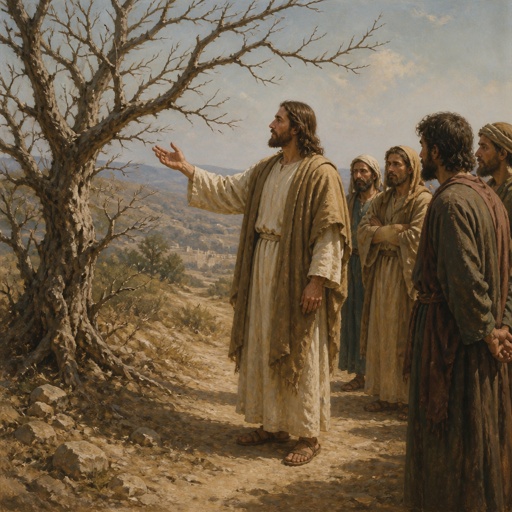
"And Jesus answered and said unto it, No man eat fruit of thee hereafter for ever. And his disciples heard it." - Mark 11:14
Mark 10
Mark 10

Mark 14:51

Mark 10:31

Mark 2:10
Mark 10:46

Mark 10:10 - "And in the house his disciples asked him again of the same matter."
Mark 10:46

Mark 10:46

Mark 4:14 - "¶ The sower soweth the word."

Mark 14:17 - "And in the evening he cometh with the twelve."

Mark 14:50 - "And they all forsook him, and fled."

Mark 10:17-30

Mark 10:35-45