What does Mark 14:1 mean?
"After two days was the feast of the passover, and of unleavened bread: and the chief priests and the scribes sought how they might take him by craft, and put him to death." - Mark 14:1
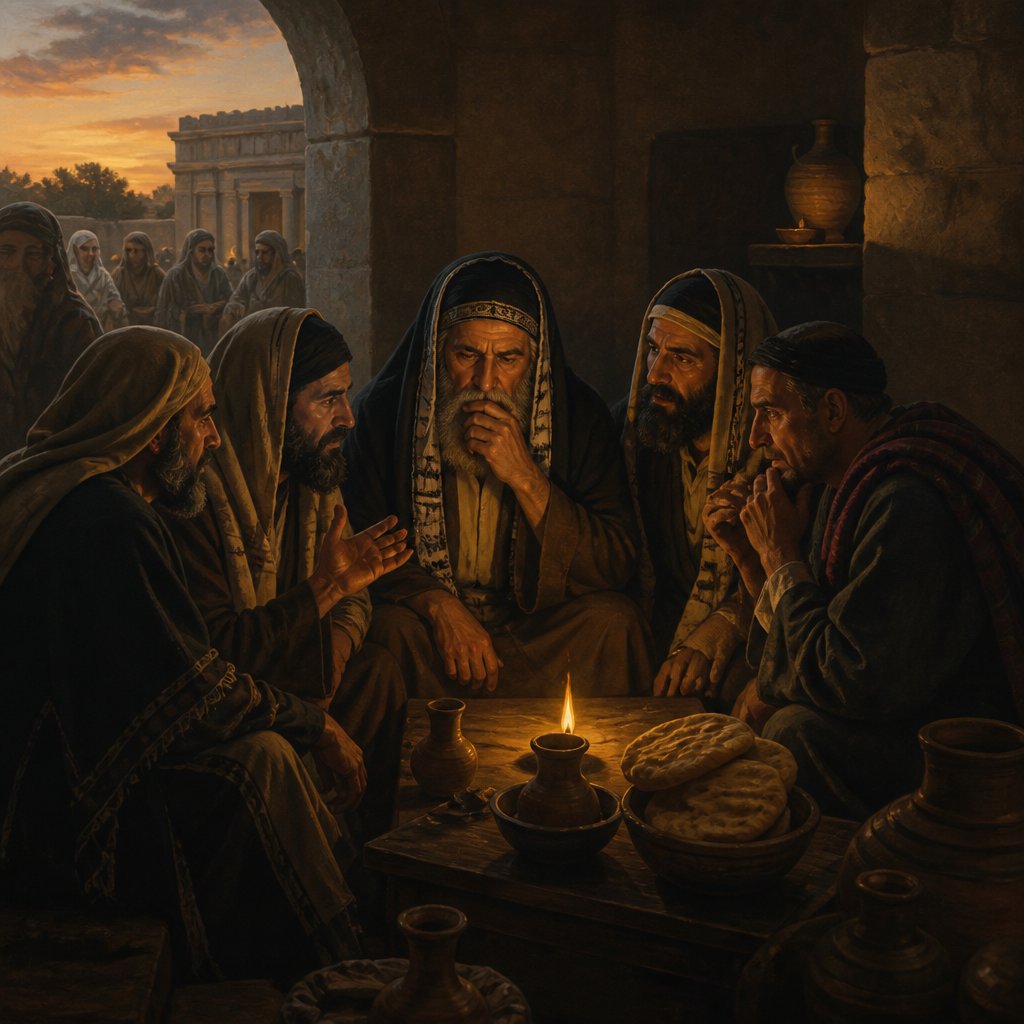
Mark 14:1 in the King James Version of the Bible reads, "After two days was the feast of the passover, and of unleavened bread: and the chief priests and the scribes sought how they might take him by craft, and put him to death." This verse is located in the New Testament, specifically in the book of Mark, and it sets the stage for the events leading up to the crucifixion of Jesus Christ.
The verse begins by stating that it was two days before the feast of the Passover and the Feast of Unleavened Bread. The Passover was a significant event in the Jewish calendar, commemorating the liberation of the Israelites from slavery in Egypt. It was a time for the Jews to come together to remember and celebrate God's deliverance. The Feast of Unleavened Bread followed the Passover and symbolized the haste with which the Israelites left Egypt, as they did not have time to let their bread rise.
The context of this verse is crucial to understanding its significance. Jesus had been traveling and teaching throughout the region, gaining a following and performing miracles that were seen as a threat to the religious and political authorities of the time. The chief priests and scribes, who held considerable power, were actively seeking a way to arrest Jesus and have him put to death. This verse marks the beginning of the events that would lead to Jesus’ betrayal, arrest, and crucifixion.
The verse speaks to the darker elements of the human experience, particularly the greed, jealousy, and fear that drive individuals to commit acts of betrayal and violence. The chief priests and scribes, who were meant to be spiritual leaders, were actively plotting to kill an innocent man, using deceit and manipulation to achieve their goals. This verse serves as a reminder of the capacity for evil within the human heart, as well as the consequences of succumbing to such destructive tendencies.
Symbolism plays a significant role in this verse as well. The timing of the events, just before the Passover, carries deep symbolic meaning. In Jewish tradition, the Passover lamb was sacrificed as a means of atonement, and the blood of the lamb was used to mark the doorposts of the Israelites' homes, protecting them from the angel of death. Jesus, as the "Lamb of God," is symbolically linked to the Passover lamb, as his sacrificial death would ultimately provide atonement for the sins of humanity.
The verse also serves as a foreshadowing of the events to come, as it hints at the betrayal and death of Jesus. The mention of the chief priests and scribes seeking to take Jesus "by craft, and put him to death" sets the stage for the subsequent betrayal by Judas Iscariot, the rigged trial before the religious and political authorities, and ultimately, the crucifixion of Jesus. This verse lays the foundation for the central narrative of the Christian faith, highlighting the themes of betrayal, sacrifice, and redemption.
In conclusion, Mark 14:1 holds significant thematic, contextual, and symbolic importance within the broader narrative of the New Testament. It serves as a prelude to the climactic events of Jesus' betrayal and crucifixion, highlighting the darker aspects of human nature and the redemptive sacrifice of Jesus. The verse underscores the timeless struggle between good and evil, while also pointing toward the hope of ultimate redemption through the atoning sacrifice of Christ. It stands as a foundational element in the Christian faith, speaking to the profound meaning and purpose of Jesus' life and death.
Have questions about Mark 14:1?
Dive deeper into this scripture with Bible Chat — an AI-powered tool for exploring God's Word through conversation. Ask questions, get context, and grow in your understanding of the Bible.
Get Our Apps


Mark 14:1 Artwork
Mark 14:1 - "After two days was the feast of the passover, and of unleavened bread: and the chief priests and the scribes sought how they might take him by craft, and put him to death."
Mark 14:1 After two days it was the Passover and the Feast of Unleavened Bread. And the chief priests and the scribes sought how they might take Him by trickery and put Him to death.
Mark 14:1 After two days it was the Passover and the Feast of Unleavened Bread. And the chief priests and the scribes sought how they might take Him by trickery and put Him to death.
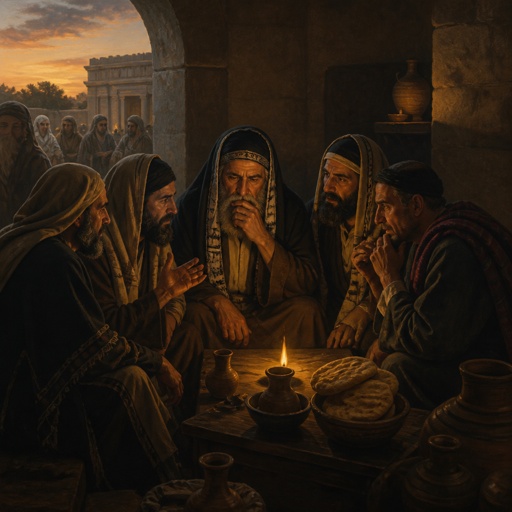
"After two days was the feast of the passover, and of unleavened bread: and the chief priests and the scribes sought how they might take him by craft, and put him to death." - Mark 14:1

Mark 1:14 - "Now after that John was put in prison, Jesus came into Galilee, preaching the gospel of the kingdom of God,"
Mark 14:51

Mark 4:14 - "¶ The sower soweth the word."

Mark 14:17 - "And in the evening he cometh with the twelve."

Mark 14:50 - "And they all forsook him, and fled."

Mark 14:46 - "¶ And they laid their hands on him, and took him."

Mark 1:14-15 - "Now after John was arrested, Jesus came to Galilee, proclaiming the good news of God, and saying, "The time is fulfilled, and the kingdom of God has come near; repent, and believe in the good news.""

Mark 14:59 - "But neither so did their witness agree together."

Mark 14:2 - "But they said, Not on the feast day, lest there be an uproar of the people."

"¶ The sower soweth the word." - Mark 4:14
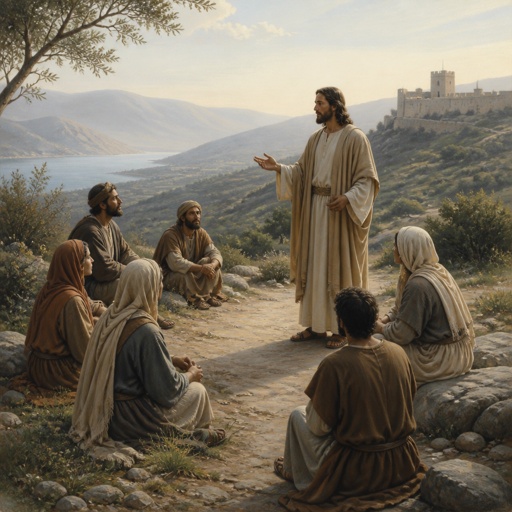
"Now after that John was put in prison, Jesus came into Galilee, preaching the gospel of the kingdom of God," - Mark 1:14

Mark 14:39 - "And again he went away, and prayed, and spake the same words."

Mark 14:57 - "And there arose certain, and bare false witness against him, saying,"

Mark 14:26 - "¶ And when they had sung an hymn, they went out into the mount of Olives."

Mark 14:66 - "¶ And as Peter was beneath in the palace, there cometh one of the maids of the high priest:"

Mark 14:52 - "And he left the linen cloth, and fled from them naked."
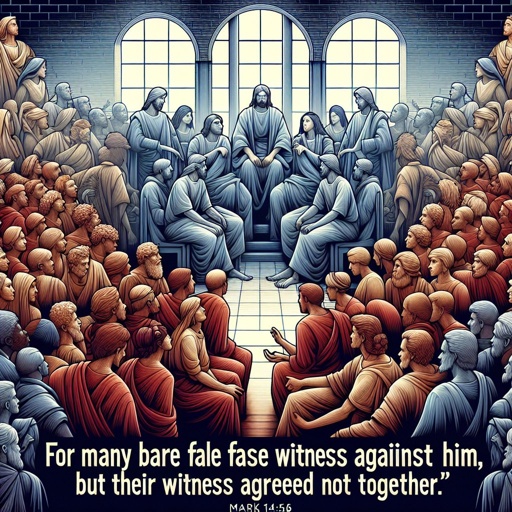
Mark 14:56 - "For many bare false witness against him, but their witness agreed not together."

Mark 14:14 - "And wheresoever he shall go in, say ye to the goodman of the house, The Master saith, Where is the guestchamber, where I shall eat the passover with my disciples?"

Mark 14:28 - "But after that I am risen, I will go before you into Galilee."

"And in the evening he cometh with the twelve." - Mark 14:17

Philippians 3:14 - "I press toward the mark for the prize of the high calling of God in Christ Jesus."

Mark 14:29 - "But Peter said unto him, Although all shall be offended, yet will not I."

"And they all forsook him, and fled." - Mark 14:50

Mark 14:42 - "Rise up, let us go; lo, he that betrayeth me is at hand."

Mark 14:20 - "And he answered and said unto them, It is one of the twelve, that dippeth with me in the dish."

Mark 14:69 - "And a maid saw him again, and began to say to them that stood by, This is one of them."