What does Mark 12:7 mean?
"But those husbandmen said among themselves, This is the heir; come, let us kill him, and the inheritance shall be our's." - Mark 12:7
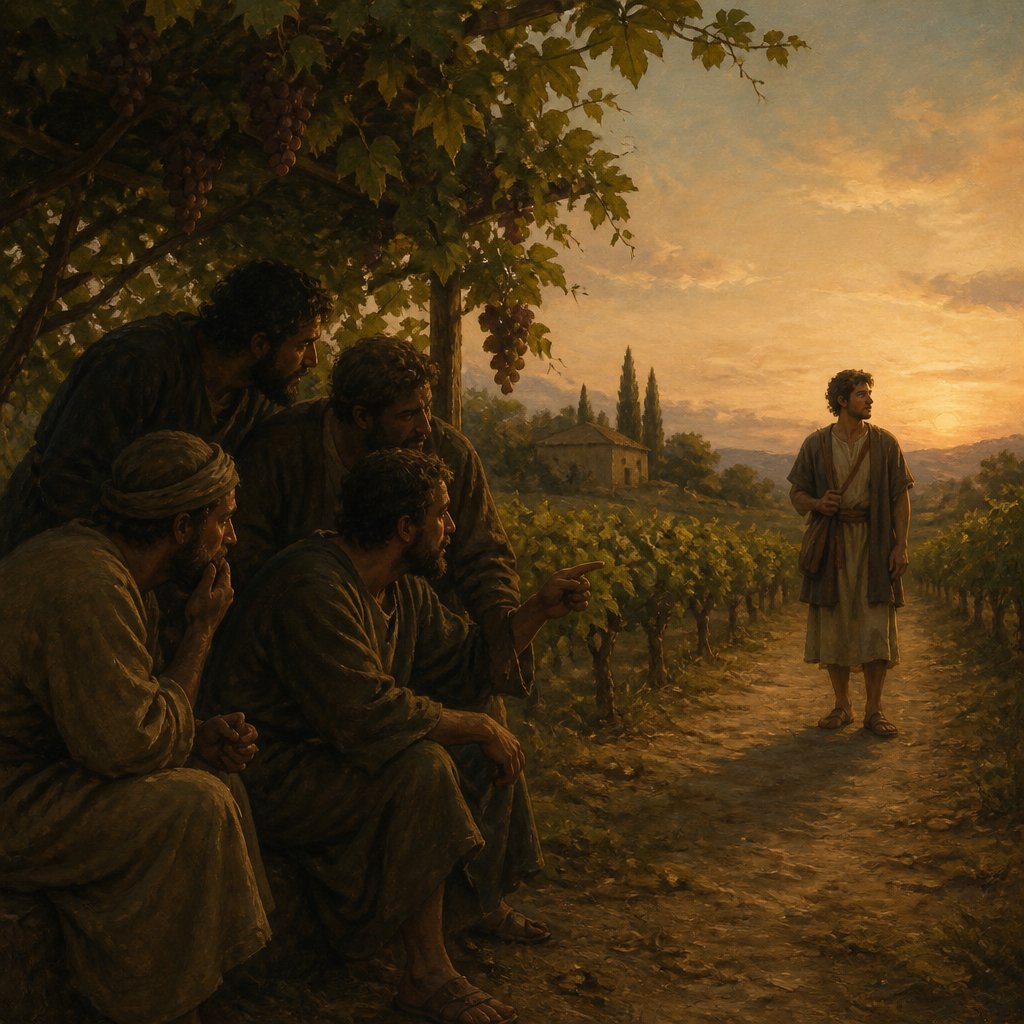
The verse Mark 12:7 from the King James Version of the Bible reads: "But those husbandmen said among themselves, This is the heir; come, let us kill him, and the inheritance shall be ours."
This verse is part of a parable told by Jesus Christ known as the Parable of the Tenants or the Parable of the Wicked Tenants. In this parable, Jesus is addressing the religious leaders of his time, using a metaphor that is relatable to them. The landlord represents God, the vineyard represents Israel, the tenants represent the religious leaders, and the servants sent to collect the harvest represent the prophets who were sent by God to deliver his message to Israel.
In this specific verse, Jesus is referring to the wickedness of the tenants who have mistreated the servants sent by the landlord and are now plotting to kill the landlord's son, who is the heir to the vineyard. This reflects the religious leaders' rejection of Jesus and their ultimate plan to kill him. The symbolism in this verse is profound, as it portrays the rejection and ultimate crucifixion of Jesus Christ.
The context of this passage is crucial in understanding its full meaning. Jesus tells this parable during his final days in Jerusalem, as he confronts the religious leaders and challenges their authority. The religious leaders, who were the keepers of the Law, had largely rejected Jesus' teaching, and Jesus uses this parable to illustrate their rejection of and rebellion against God's chosen one.
The themes present in this verse are numerous, but the most prominent ones are rejection, rebellion, and the coming judgment. The rejection of the son by the tenants symbolizes the religious leader's rejection of Jesus Christ, the Messiah. They refuse to recognize his authority and plot to have him killed. This theme of rejection is echoed throughout the Bible, as the people of Israel repeatedly reject the prophets sent by God. This rejection ultimately leads to their downfall and judgment.
The rebellion of the tenants in planning to kill the heir symbolizes the rebellion of the religious leaders against God's authority. They seek to take control of the vineyard for themselves, just as the religious leaders seek to maintain their own power and authority rather than submit to the teachings of Jesus. This rebellion ultimately leads to their judgment at the hands of God.
The coming judgment is a significant theme in this verse, as Jesus is warning the religious leaders of the consequences of their actions. By rejecting and ultimately killing the son, the tenants bring judgment upon themselves. Similarly, the religious leaders are being warned of the judgment that will come upon them for their rejection of Jesus.
In conclusion, Mark 12:7 is a powerful and symbolic verse within the context of the Parable of the Wicked Tenants. It offers a warning to the religious leaders of Jesus' time and serves as a timeless reminder of the consequences of rejecting God's messengers. The themes of rejection, rebellion, and judgment are prevalent throughout this verse, and it continues to hold relevance for believers today. The passage serves as a sobering reminder of the importance of recognizing and accepting God's authority, as well as the consequences of rebelling against it.
Have questions about Mark 12:7?
Dive deeper into this scripture with Bible Chat — an AI-powered tool for exploring God's Word through conversation. Ask questions, get context, and grow in your understanding of the Bible.
Get Our Apps


Mark 12:7 Artwork
"But those husbandmen said among themselves, This is the heir; come, let us kill him, and the inheritance shall be our's." - Mark 12:7

Mark 7:12 - "And ye suffer him no more to do ought for his father or his mother;"

Exodus 12:7
"And ye suffer him no more to do ought for his father or his mother;" - Mark 7:12

Mark 12:8

Mark 12:8

Mark 15:12

Mark 13:7

Mark 13:7

Mark 8:7

Mark 13:7

mark 2:1-12

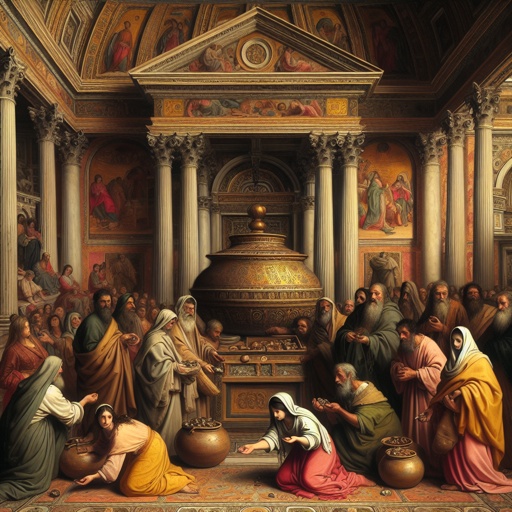
Mark 12:41 - 44
Mark 12:41 - 44

Mark 12:41 - 44

Mark 2:1-12

Mark 12:41 - 44

Mark 12:41 - 44

Mark 7:7 - "Howbeit in vain do they worship me, teaching for doctrines the commandments of men."

Mark 12:11 - "This was the Lord's doing, and it is marvellous in our eyes?"

Mark 7:31-37

Mark 7:31-37

Mark 1:12 - "And immediately the Spirit driveth him into the wilderness."

Mark 12:39 - "And the chief seats in the synagogues, and the uppermost rooms at feasts:"
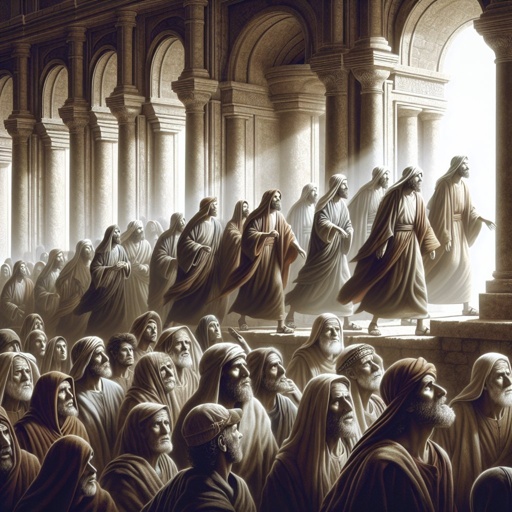
Mark 6:12 - "And they went out, and preached that men should repent."

Mark 3:12 - "And he straitly charged them that they should not make him known."

Mark 12:3 - "And they caught him, and beat him, and sent him away empty."

Mark 7:7 (KJVA) 7 Howbeit in vain do they worship me, teaching for doctrines the commandments of men.

Mark 7:7 (KJVA) 7 Howbeit in vain do they worship me, teaching for doctrines the commandments of men.

Acts 12:12 - "And when he had considered the thing, he came to the house of Mary the mother of John, whose surname was Mark; where many were gathered together praying."