What does Mark 12:29 mean?
"And Jesus answered him, The first of all the commandments is, Hear, O Israel; The Lord our God is one Lord:" - Mark 12:29
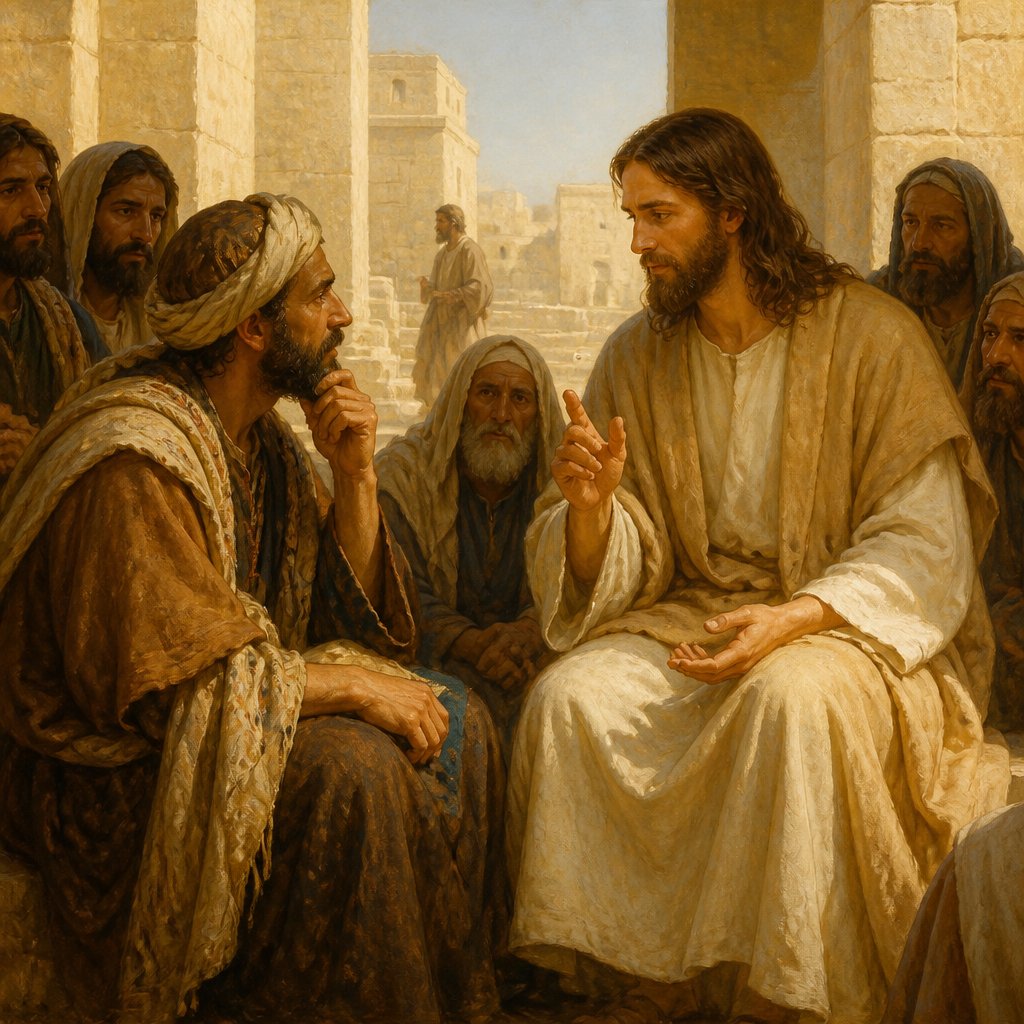
The Bible verse Mark 12:29 from the King James Version (KJV) states, "And Jesus answered him, The first of all the commandments is, Hear, O Israel; The Lord our God is one Lord." This verse is a pivotal moment in the New Testament, as it encapsulates the core belief of Christianity and serves as a reminder of the central theme of monotheism, which is the belief in one God.
Contextually, the verse takes place in the Gospel of Mark during a conversation between Jesus and a scribe. This interaction is a part of a larger narrative where Jesus is challenged by various religious leaders and scholars, who are trying to test his knowledge and authority. In this particular instance, the scribe asks Jesus about the greatest commandment, seeking to engage him in a theological debate. Jesus responds by first reciting the Shema, a central prayer in Judaism from the book of Deuteronomy (6:4) which affirms the oneness of God. By doing so, Jesus acknowledges the Jewish tradition and demonstrates the continuity between Judaism and Christianity.
The verse holds significant theological, ethical, and philosophical implications. The declaration of the oneness of God reinforces the biblical idea of Monotheism, the belief in one God. This is a foundational principle not only for Judaism and Christianity but also for Islam, and it sets these Abrahamic faiths apart from polytheistic religions. The emphasis on the unity of God is the cornerstone of Christian theology, highlighting the belief in God as the creator, sustainer, and the ultimate authority in all aspects of life.
Another important theme that can be derived from this verse is the concept of love and devotion towards God. By citing the Shema, Jesus emphasizes the commandment to love the Lord with all one's heart, soul, mind, and strength. This echoes the teachings of the Old Testament, where the people of Israel were repeatedly instructed to love and worship God wholeheartedly. For Christians, this verse underscores the requirement to love and dedicate themselves to God unconditionally, recognizing God's supremacy and sovereignty.
The verse also carries a moral and ethical message. It serves as a reminder to prioritize one's relationship with God above all else. In a world filled with distractions and temptations, this verse highlights the importance of maintaining a singular focus on God and living in obedience to His will. It encourages believers to center their lives on the worship and service of God, aligning their actions with His commandments and principles.
Symbolically, the declaration of the oneness of God in Mark 12:29 serves as a foundation for the Christian faith. It symbolizes the unity and singularity of God, as well as the unchanging nature of His character. This verse also symbolizes the interconnectedness of the Old and New Testaments, illustrating the continuity of God's covenant with His people from ancient times to the present.
In conclusion, Mark 12:29 from the King James Version of the Bible encapsulates the essence of Christian belief in the oneness of God, emphasizing the core principles of Monotheism, love for God, and ethical living. It carries profound theological, moral, and symbolic significance, serving as a timeless reminder of the central tenets of the Christian faith. As a foundational verse, it continues to inspire and guide believers in their spiritual journey, reminding them of the importance of loving and serving the one true God.
Have questions about Mark 12:29?
Dive deeper into this scripture with Bible Chat — an AI-powered tool for exploring God's Word through conversation. Ask questions, get context, and grow in your understanding of the Bible.
Get Our Apps


Mark 12:29 Artwork

Mark 12:29 - "And Jesus answered him, The first of all the commandments is, Hear, O Israel; The Lord our God is one Lord:"
"And Jesus answered him, The first of all the commandments is, Hear, O Israel; The Lord our God is one Lord:" - Mark 12:29

Mark 14:29 - "But Peter said unto him, Although all shall be offended, yet will not I."

Mark 12:8

Mark 6:29 - "And when his disciples heard of it, they came and took up his corpse, and laid it in a tomb."

Mark 12:8

Mark 15:12

Mark 4:29 - "But when the fruit is brought forth, immediately he putteth in the sickle, because the harvest is come."

Mark 9:29 - "And he said unto them, This kind can come forth by nothing, but by prayer and fasting."

Isaiah 29:12

Mark 1:29 - "And forthwith, when they were come out of the synagogue, they entered into the house of Simon and Andrew, with James and John."

Mark 5:29 - "And straightway the fountain of her blood was dried up; and she felt in her body that she was healed of that plague."

Mark 7:29 - "And he said unto her, For this saying go thy way; the devil is gone out of thy daughter."

mark 2:1-12

Mark 12:41 - 44
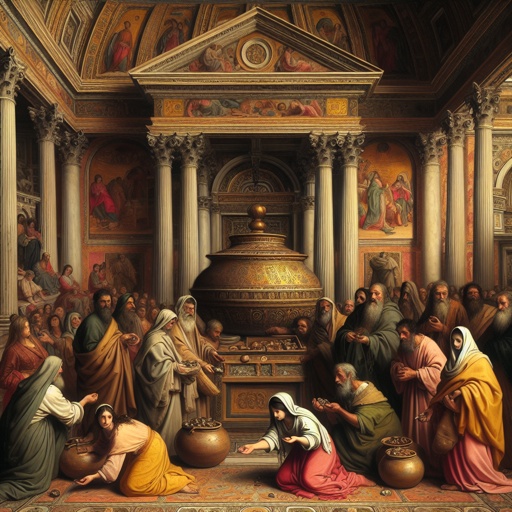
Mark 12:41 - 44

Mark 15:29 - "And they that passed by railed on him, wagging their heads, and saying, Ah, thou that destroyest the temple, and buildest it in three days,"

Mark 12:41 - 44

Mark 2:1-12

Mark 12:41 - 44

Mark 12:41 - 44

Mark 13:29 - "So ye in like manner, when ye shall see these things come to pass, know that it is nigh, even at the doors."

Mark 12:11 - "This was the Lord's doing, and it is marvellous in our eyes?"

Hebrews 12:29 - "For our God is a consuming fire."

Mark 1:12 - "And immediately the Spirit driveth him into the wilderness."

Mark 12:39 - "And the chief seats in the synagogues, and the uppermost rooms at feasts:"
Mark 6:12 - "And they went out, and preached that men should repent."

Mark 8:29 - "And he saith unto them, But whom say ye that I am? And Peter answereth and saith unto him, Thou art the Christ."

Mark 3:12 - "And he straitly charged them that they should not make him known."

Mark 12:3 - "And they caught him, and beat him, and sent him away empty."