What does Mark 12:26 mean?
"And as touching the dead, that they rise: have ye not read in the book of Moses, how in the bush God spake unto him, saying, I am the God of Abraham, and the God of Isaac, and the God of Jacob?" - Mark 12:26
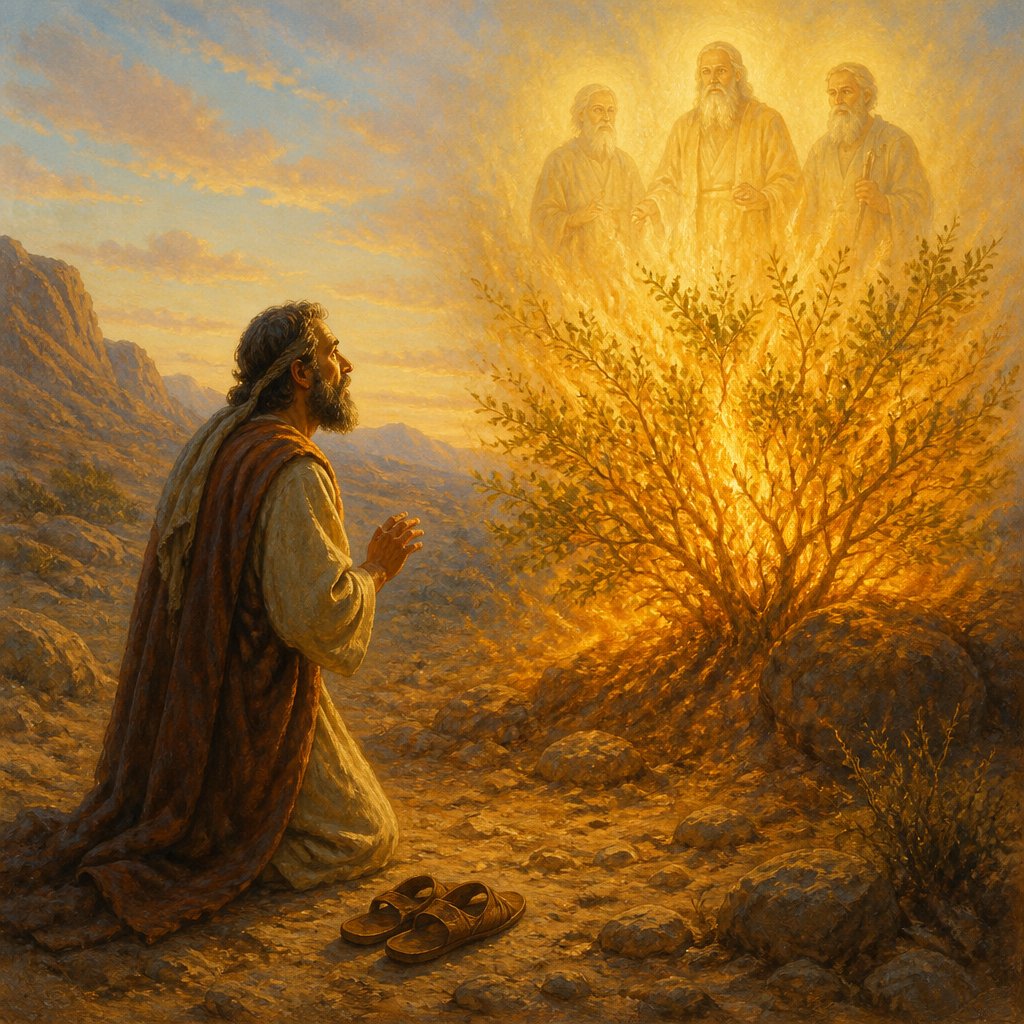
Mark 12:26 (KJV) states, "And as touching the dead, that they rise: have ye not read in the book of Moses, how in the bush God spake unto him, saying, I am the God of Abraham, and the God of Isaac, and the God of Jacob?"
This verse is a part of a larger conversation between Jesus and a group of Sadducees who were trying to trap him with a question about the resurrection. The Sadducees did not believe in the resurrection, and they presented a hypothetical scenario to Jesus about a woman who had been married to multiple brothers in succession after each had died. They asked Jesus whose wife she would be in the resurrection, assuming that this would create a contradiction in the concept of resurrection. In response, Jesus rebuked them, saying, "Do ye not therefore err, because ye know not the scriptures, neither the power of God?" (Mark 12:24, KJV).
In verse 26, Jesus references the book of Moses, specifically the story of the burning bush in the book of Exodus. This story is a significant event in the history of the Israelites, as it is where God first reveals his name, YHWH, to Moses. By referencing this story, Jesus is pointing to the authority and truth of the scriptures, affirming the doctrine of the resurrection and challenging the Sadducees' disbelief.
The theme of resurrection is central to this verse, as Jesus uses it to refute the Sadducees' disbelief in life after death. In referencing the patriarchs Abraham, Isaac, and Jacob, Jesus emphasizes the continuity of God's relationship with his people across generations. This continuity is a crucial aspect of the Christian understanding of resurrection, as it suggests that the God who was faithful to the patriarchs will continue to be faithful by raising them to new life.
Another theme present in this verse is the authority of scripture. Jesus rebukes the Sadducees for their lack of understanding of the scriptures, highlighting the importance of knowing and understanding the Word of God. By referring to the book of Moses, Jesus affirms the Old Testament as a source of divine authority and instruction, laying the foundation for the continuity between the Old and New Testaments in Christian belief.
The context of this verse is important for understanding its significance. Jesus' encounter with the Sadducees takes place in the temple, a religious and cultural center for the Jewish people. His willingness to engage in theological debate in this setting demonstrates his commitment to teaching and challenging prevailing beliefs. By addressing the issue of the resurrection, Jesus is not only challenging the Sadducees' beliefs but also pointing to the hope and promise of new life in God.
The symbolism in this verse lies in the reference to the burning bush and God's revelation of his name to Moses. The burning bush represents the presence of the divine, as God speaks to Moses from within the flames. This symbolizes the transcendence and holiness of God, as well as his immanence and willingness to engage with his people. The revelation of God's name, YHWH, signifies his eternal and unchanging nature, as well as his covenantal relationship with the Israelites. By referencing this event, Jesus is drawing on the symbolic power of the burning bush to affirm the truth of the resurrection and the continuity of God's faithfulness to his people.
In conclusion, Mark 12:26 (KJV) is a significant verse that addresses the themes of resurrection, scripture, and divine authority. Jesus uses this verse to challenge the disbelief of the Sadducees, affirming the truth of the resurrection and the authority of the scriptures. The reference to the burning bush and God's revelation of his name adds depth and symbolism to the verse, emphasizing the continuity of God's faithfulness across generations. This verse serves as a powerful reminder of the hope and promise of new life in God, as well as the importance of knowing and understanding the Word of God.
Have questions about Mark 12:26?
Dive deeper into this scripture with Bible Chat — an AI-powered tool for exploring God's Word through conversation. Ask questions, get context, and grow in your understanding of the Bible.
Get Our Apps


Mark 12:26 Artwork
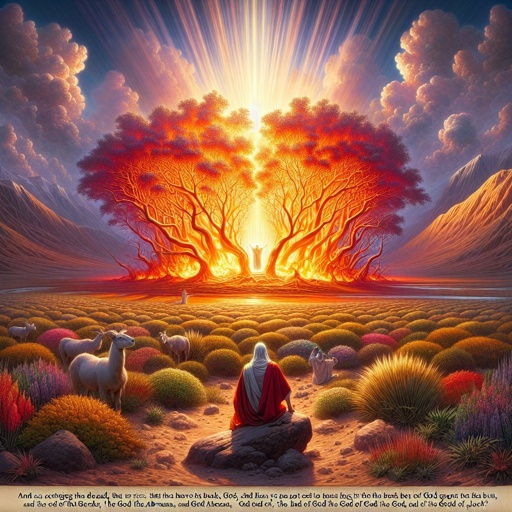
Mark 12:26 - "And as touching the dead, that they rise: have ye not read in the book of Moses, how in the bush God spake unto him, saying, I am the God of Abraham, and the God of Isaac, and the God of Jacob?"
"And as touching the dead, that they rise: have ye not read in the book of Moses, how in the bush God spake unto him, saying, I am the God of Abraham, and the God of Isaac, and the God of Jacob?" - Mark 12:26

Mark 15:26 - "And the superscription of his accusation was written over, THE KING OF THE JEWS."

Mark 12:8

Mark 14:26 - "¶ And when they had sung an hymn, they went out into the mount of Olives."

Mark 12:8

Mark 15:12

Mark 13:26 - "And then shall they see the Son of man coming in the clouds with great power and glory."
Mark 4:26 (KJVA) 26 And he said, So is the kingdom of God, as if a man should cast seed into the ground;
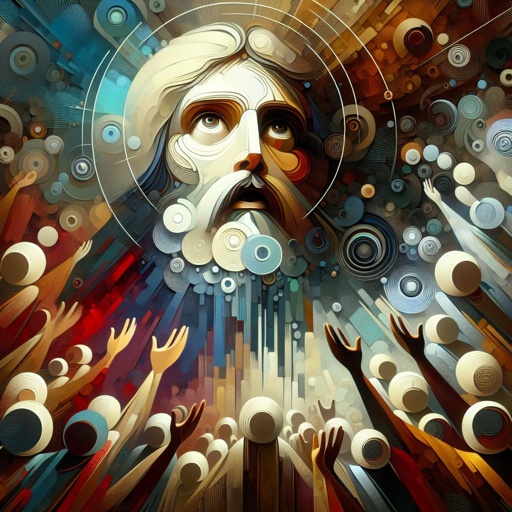
Mark 10:26 - "And they were astonished out of measure, saying among themselves, Who then can be saved?"

Mark 4:26 - "¶ And he said, So is the kingdom of God, as if a man should cast seed into the ground;"

mark 2:1-12

Mark 12:41 - 44
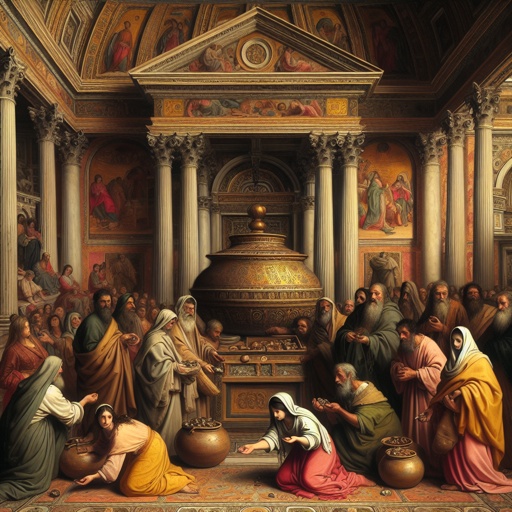
Mark 12:41 - 44

Mark 3:26 - "And if Satan rise up against himself, and be divided, he cannot stand, but hath an end."

Mark 11:26 - "But if ye do not forgive, neither will your Father which is in heaven forgive your trespasses."

Mark 12:41 - 44

Mark 2:1-12

Mark 12:41 - 44

Mark 12:41 - 44

Genisis 26:12

Mark 12:11 - "This was the Lord's doing, and it is marvellous in our eyes?"

Mark 1:26 - "And when the unclean spirit had torn him, and cried with a loud voice, he came out of him."

Mark 1:12 - "And immediately the Spirit driveth him into the wilderness."

Mark 12:39 - "And the chief seats in the synagogues, and the uppermost rooms at feasts:"
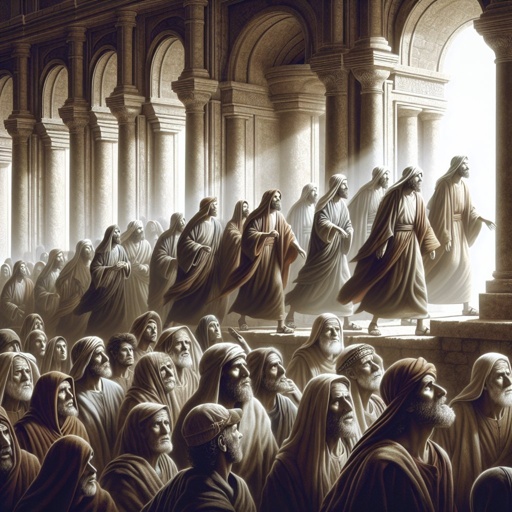
Mark 6:12 - "And they went out, and preached that men should repent."
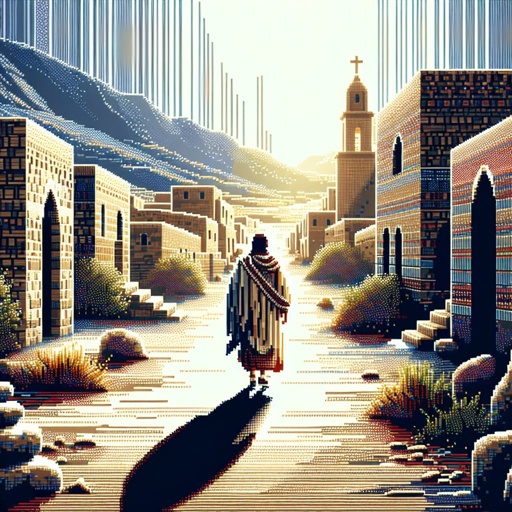
Mark 8:26 - "And he sent him away to his house, saying, Neither go into the town, nor tell it to any in the town."

Luke 12:25-26

Luke 12:25-26

Luke 12:25-26