What does Mark 12:12 mean?
"And they sought to lay hold on him, but feared the people: for they knew that he had spoken the parable against them: and they left him, and went their way." - Mark 12:12
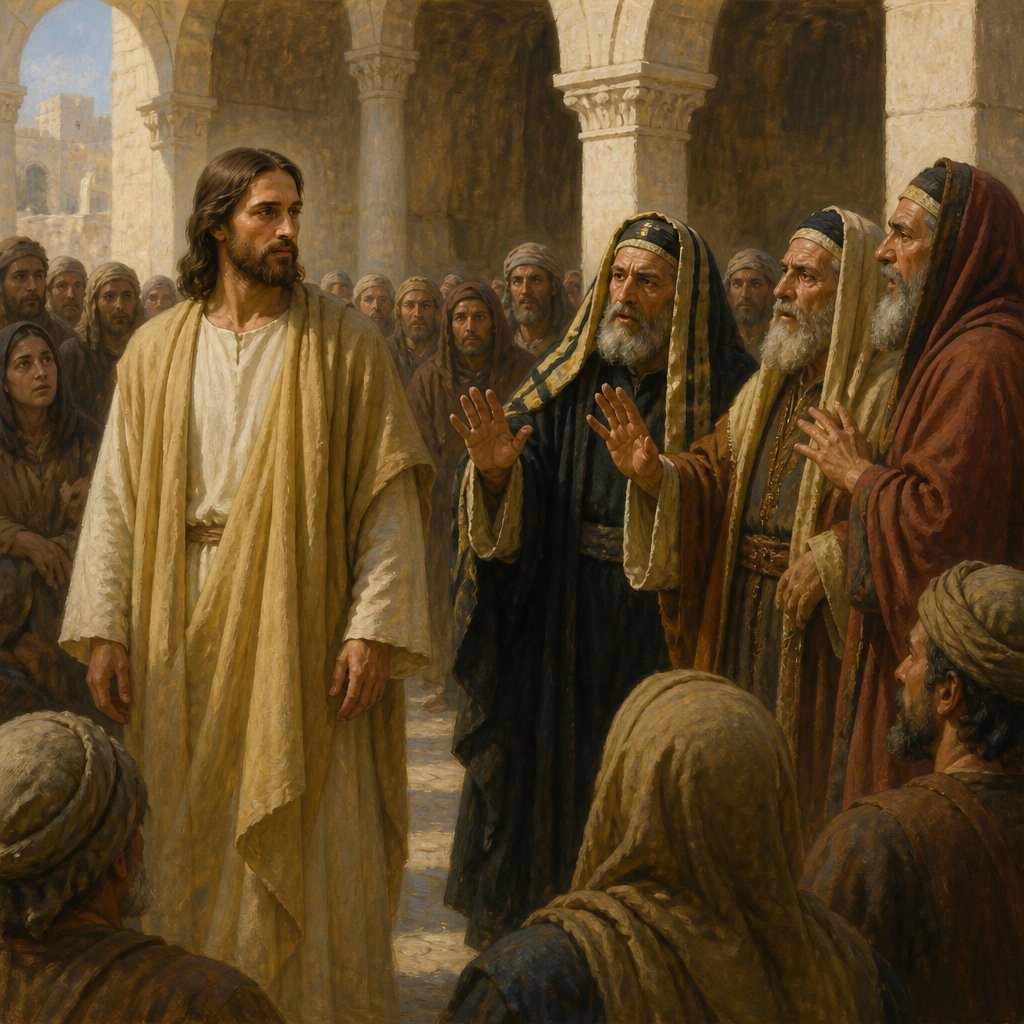
Mark 12:12 in the King James Version reads: "And they sought to lay hold on him, but feared the people: for they knew that he had spoken the parable against them: and they left him, and went their way."
This verse is situated in the context of a series of confrontations between Jesus and the religious leaders of his time, specifically the scribes and the Pharisees. In the preceding verses, Jesus tells the Parable of the Wicked Husbandmen, in which he uses the metaphor of a vineyard and its tenants to critique the religious leaders' rejection of him as the Messiah and their mistreatment of God's prophets throughout history.
The verse captures the immediate response of the religious leaders to Jesus' parable. Mark 12:12 depicts the leaders as wanting to seize Jesus, but refraining from doing so because of the fear of the people, who had an overwhelmingly positive response to Jesus and his teachings.
The themes present in Mark 12:12 include the conflict between Jesus and the religious authorities, the rejection of Jesus as the Messiah, and the fear of public opinion. Additionally, the verse highlights the fulfillment of prophecy and the religious leaders' moral culpability.
First and foremost, the verse underscores the ongoing conflict between Jesus and the religious authorities of his time. Throughout the Gospels, we see Jesus clashing with the scribes, Pharisees, and chief priests over issues of authority, interpretation of the law, and his own claims about his identity and mission. Mark 12:12 is part of this broader narrative of tension and resistance, depicting the authorities' continual efforts to discredit or silence Jesus.
The rejection of Jesus as the Messiah is another important theme in Mark 12:12. The parable that precedes this verse serves as a direct critique of the religious leaders' refusal to recognize and honor Jesus as the Son of God. Instead of embracing him as the long-awaited deliverer, they dismiss and oppose him. In doing so, they fulfill the very prophecy Jesus alludes to in the parable, making themselves the "wicked husbandmen" who reject the owner's son, representing Jesus himself.
Fear of public opinion is also evident in this verse. The religious leaders, despite their desire to apprehend Jesus, are restrained by the awareness that the people hold Jesus in high esteem. This fear of public backlash prevents them from taking immediate action against Jesus. It reflects the delicate balance of power in the volatile political and religious climate of first-century Judea.
Furthermore, Mark 12:12 highlights the moral culpability of the religious leaders. The fact that they recognize the parable's indictment against them and the fear of retribution from the people suggests a level of self-awareness regarding their guilt. They are depicted as conscious of the implications of their actions and the potential consequences of their opposition to Jesus.
Symbolism plays a significant role in this verse as well. The vineyard in the preceding parable serves as a metaphor for Israel, God's chosen people, and the tenants represent the religious leaders who had been entrusted with the care and stewardship of the nation. The owner's sending of his beloved son echoes God's sending of Jesus to the people of Israel. This symbolism reinforces the gravity of the leaders' rejection and mistreatment of Jesus, as they are not only defying a human being, but also disobeying and dishonoring God himself.
In conclusion, Mark 12:12 captures a pivotal moment in the conflict between Jesus and the religious authorities, highlighting themes of rejection, moral culpability, and fear of public opinion. It also serves as a potent reminder of the enduring relevance of Jesus' teachings, as well as the timeless struggle between earthly power and divine truth.
Have questions about Mark 12:12?
Dive deeper into this scripture with Bible Chat — an AI-powered tool for exploring God's Word through conversation. Ask questions, get context, and grow in your understanding of the Bible.
Get Our Apps


Mark 12:12 Artwork

Mark 12:12 - "And they sought to lay hold on him, but feared the people: for they knew that he had spoken the parable against them: and they left him, and went their way."
"And they sought to lay hold on him, but feared the people: for they knew that he had spoken the parable against them: and they left him, and went their way." - Mark 12:12

Mark 12:8

Mark 12:8

Mark 15:12

mark 2:1-12

Mark 12:41 - 44
Mark 12:41 - 44

Mark 12:41 - 44

Mark 2:1-12

Mark 12:41 - 44

Mark 12:41 - 44

Mark 12:11 - "This was the Lord's doing, and it is marvellous in our eyes?"

Mark 1:12 - "And immediately the Spirit driveth him into the wilderness."

Acts 12:12 - "And when he had considered the thing, he came to the house of Mary the mother of John, whose surname was Mark; where many were gathered together praying."

Mark 12:39 - "And the chief seats in the synagogues, and the uppermost rooms at feasts:"
Mark 6:12 - "And they went out, and preached that men should repent."

Mark 3:12 - "And he straitly charged them that they should not make him known."

Mark 12:3 - "And they caught him, and beat him, and sent him away empty."

Mark 11:12 - "¶ And on the morrow, when they were come from Bethany, he was hungry:"

Mark 12:8 - "And they took him, and killed him, and cast him out of the vineyard."

Lamentations 3:12 - "He hath bent his bow, and set me as a mark for the arrow."

Mark 12:18 - "¶ Then come unto him the Sadducees, which say there is no resurrection; and they asked him, saying,"

Mark 12:13 - "¶ And they send unto him certain of the Pharisees and of the Herodians, to catch him in his words."

Mark 12:27 - "He is not the God of the dead, but the God of the living: ye therefore do greatly err."

Mark 12:22 - "And the seven had her, and left no seed: last of all the woman died also."

Mark 7:12 - "And ye suffer him no more to do ought for his father or his mother;"

Mark 12:20 - "Now there were seven brethren: and the first took a wife, and dying left no seed."
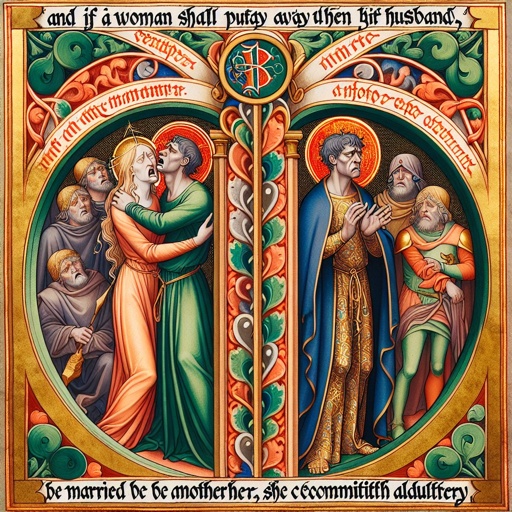
Mark 10:12 - "And if a woman shall put away her husband, and be married to another, she committeth adultery."

Mark 12:21 - "And the second took her, and died, neither left he any seed: and the third likewise."