What does Mark 10:3 mean?
"And he answered and said unto them, What did Moses command you?" - Mark 10:3
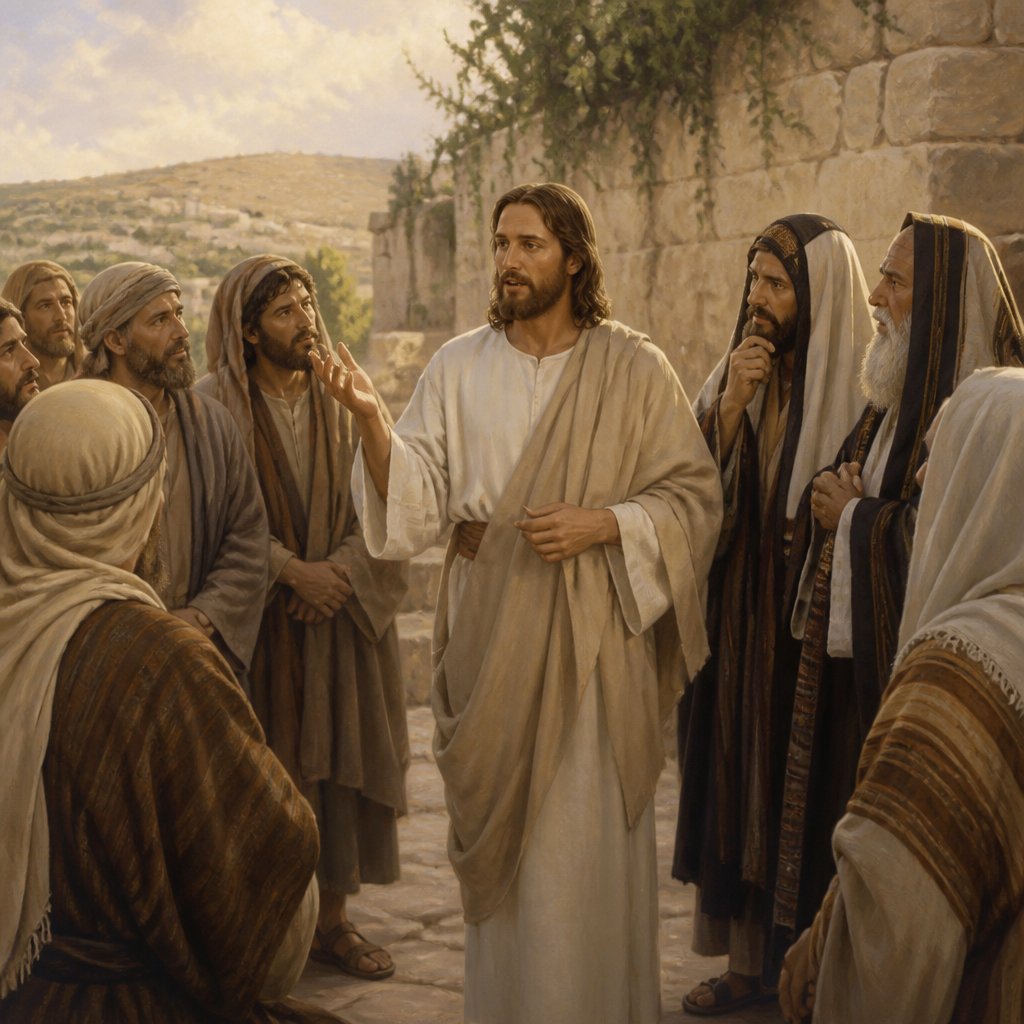
Mark 10:3 (KJV) states, "And he answered and said unto them, What did Moses command you?" This verse is part of a larger passage in which the Pharisees come to Jesus to test him and ask him about the legality of divorce. In this verse, Jesus responds to the Pharisees by questioning them about what Moses commanded regarding divorce.
The context of this verse is important in understanding its significance. In the preceding verses, the Pharisees ask Jesus if it is lawful for a man to divorce his wife. Jesus responds by asking them what Moses commanded, to which they reply that Moses allowed a man to write a bill of divorcement and to put his wife away. Jesus then goes on to explain that Moses allowed this because of the hardness of the people's hearts, but from the beginning of creation, God intended for a man and woman to be joined together and become one flesh. Therefore, Jesus concludes that what God has joined together, let no one separate.
The primary theme of this verse is the sanctity of marriage and the original intent of God for the union of a man and a woman. By referring back to the Mosaic Law, Jesus is pointing out that God's intention for marriage has always been the same, and it is not something that can be easily dissolved. This theme emphasizes the importance of commitment, faithfulness, and the covenantal nature of marriage.
The symbolism in this verse is also significant. By referencing Moses' command, Jesus is establishing the authority of the Old Testament scriptures and how they point to God's original design for marriage. Additionally, the reference to Moses highlights the Jewish audience to whom Jesus is speaking, as Moses is a revered figure in Judaism. This adds weight to Jesus' argument and reinforces the timeless nature of God's plan for marriage.
Furthermore, the verse also speaks to the broader issue of legalism and the Pharisees' preoccupation with the letter of the law rather than the spirit of the law. Jesus is challenging their narrow interpretation of the Mosaic Law and pointing them towards a deeper understanding of God's intentions for humanity.
In a broader theological context, this verse aligns with Jesus' teachings on love, forgiveness, and the Kingdom of God. It emphasizes the importance of selflessness and sacrificial love within the context of marriage, which mirrors the love that God has for his people. It also addresses the concept of repentance and forgiveness, as Jesus acknowledges the reality of divorce but calls for a higher standard of commitment and reconciliation.
Overall, Mark 10:3 (KJV) carries a deep and profound message about the sanctity of marriage, the authority of scripture, and the transformative power of God's love. It challenges legalistic attitudes and calls for a deeper understanding of God's will for humanity. This verse is a timeless reminder of the divine institution of marriage and the enduring nature of God's plan for the unity of man and woman.
Have questions about Mark 10:3?
Dive deeper into this scripture with Bible Chat — an AI-powered tool for exploring God's Word through conversation. Ask questions, get context, and grow in your understanding of the Bible.
Get Our Apps


Mark 10:3 Artwork

Mark 10:3 - "And he answered and said unto them, What did Moses command you?"
"And he answered and said unto them, What did Moses command you?" - Mark 10:3

Mark 3:10 - "For he had healed many; insomuch that they pressed upon him for to touch him, as many as had plagues."

Mark 10
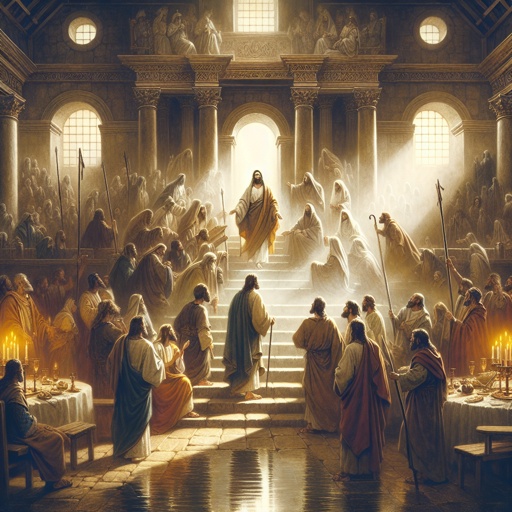
Mark 10

Mark 10
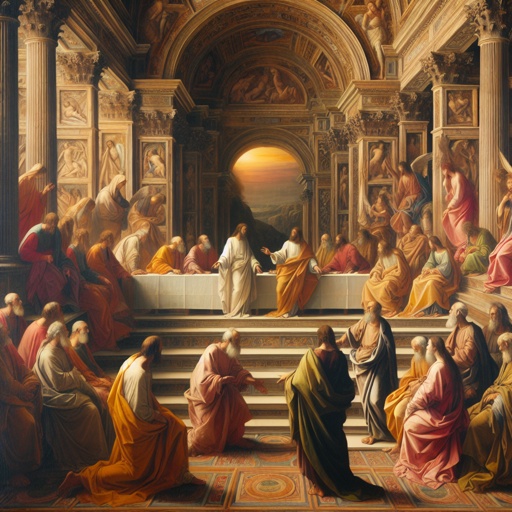
Mark 10

Mark 2:10
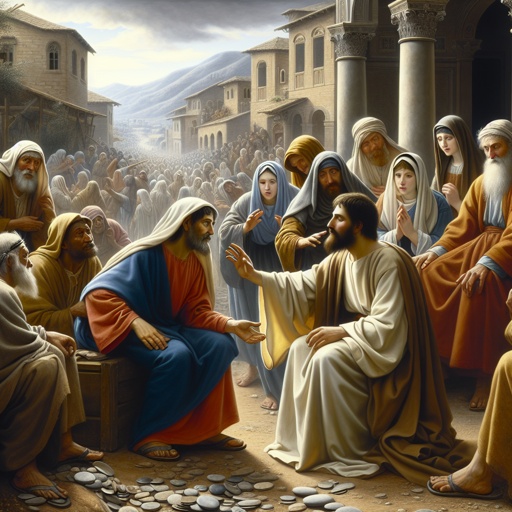
Mark 10:46

Mark 10:31

Mark 10:10 - "And in the house his disciples asked him again of the same matter."
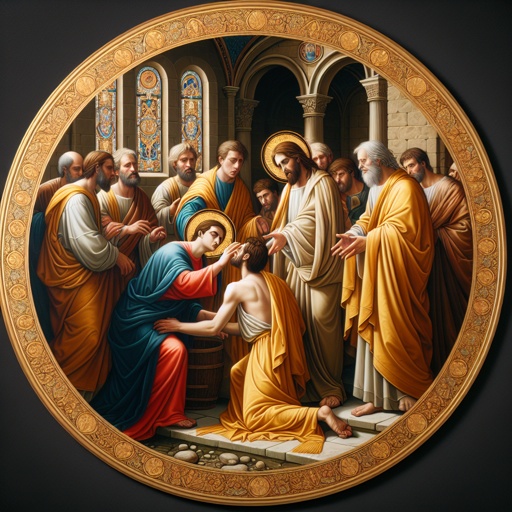
Mark 10:46

Mark 10:46
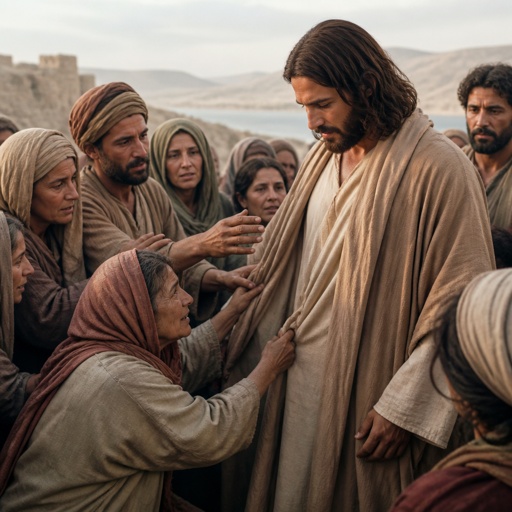
"For he had healed many; insomuch that they pressed upon him for to touch him, as many as had plagues." - Mark 3:10

Mark 10:35-45

Mark 10:17-30

Mark 10:35-45

Mark 10:13–16

Mark 10:17-30

Mark 10:35-45

Mark 10:35-45

Mark 3:3 - "And he saith unto the man which had the withered hand, Stand forth."

Mark 10:44 - "And whosoever of you will be the chiefest, shall be servant of all."

Mark 3:31-34

Mark 10:31 - "But many that are first shall be last; and the last first."

Mark 13:10 - "And the gospel must first be published among all nations."

Mark 3:16 - "And Simon he surnamed Peter;"

Mark 4:3 - "Hearken; Behold, there went out a sower to sow:"

Mark 10:50 - "And he, casting away his garment, rose, and came to Jesus."

Mark 10:41 - "And when the ten heard it, they began to be much displeased with James and John."