What does Malachi 1:3 mean?
"And I hated Esau, and laid his mountains and his heritage waste for the dragons of the wilderness." - Malachi 1:3
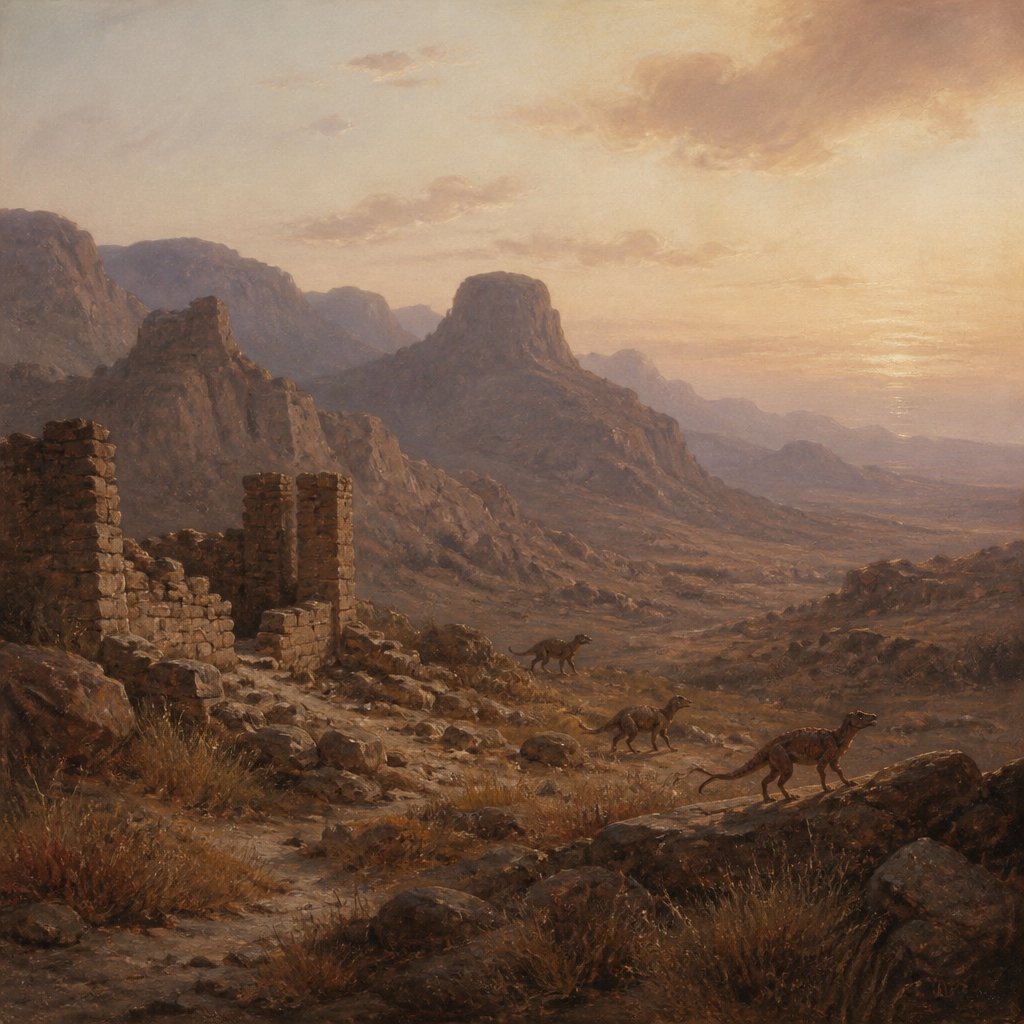
The Bible verse Malachi 1:3 from the King James Version says, "And I hated Esau, and laid his mountains and his heritage waste for the dragons of the wilderness." This verse comes from the Old Testament book of Malachi, which is the last book of the Christian Hebrew Bible. The book of Malachi is attributed to the prophet Malachi, and it addresses the spiritual decline and moral corruption of the people of Israel.
The verse is a powerful and often controversial statement by God about his feelings towards Esau. It is important to note that the context of this verse is rooted in the historical and theological traditions of ancient Israel, and therefore, a deep understanding of these contexts is essential to comprehend the meaning and significance of this verse.
To fully understand the implications of this verse, it is important to delve into the historical and theological context. Esau was the elder twin son of Isaac and Rebekah, and the brother of Jacob. The animosity between Esau and Jacob is a central theme in the book of Genesis, as it is characterized by deceit, conflict, and familial drama. In the biblical narrative, Esau is portrayed as a hunter and a man of the field, while Jacob is depicted as being more inclined towards domesticity. Esau is famously deceived by Jacob, who takes his birthright and blessing, leading to a lifelong rift between the brothers.
The verse from Malachi 1:3 reflects God's condemnation of Esau and his descendants. It speaks to the divine preference for Jacob, as well as the punishment and destruction of Esau's heritage. This verse has been a source of theological debate and discussion, as it raises questions about the nature of God's love and his treatment of individuals.
On a thematic level, this verse exemplifies the concepts of divine sovereignty, judgment, and the consequences of sin. It emphasizes the idea of God's chosen people and his providential favor towards them. The verse also elucidates the theme of justice, as it illustrates God's response to the actions and attitudes of individuals. Additionally, the verse evokes the theme of preservation, as it conveys God's commitment to protect and sustain his chosen people.
Symbolically, the reference to Esau's mountains and heritage being laid waste for the dragons of the wilderness represents the desolation and destruction of his lineage and possessions. The imagery of dragons in the wilderness signifies chaos, danger, and spiritual desolation. This metaphorical language communicates the severity of God's judgment and the consequence of his hatred towards Esau.
In terms of interpretation, scholars and theologians have grappled with the implications of this verse. Some interpretations emphasize the historical and contextual significance of the verse, suggesting that it reflects the turbulent relationship between the nations of Israel and Edom, which was descended from Esau. Others argue that the verse symbolizes the broader theological concept of divine election and the enduring consequences of sin.
Ultimately, the verse Malachi 1:3 presents a complex and profound depiction of God's feelings towards Esau. It raises thought-provoking questions about the nature of divine love, justice, and the consequences of human actions. It also highlights the themes of divine sovereignty and the enduring legacy of one's choices. This verse invites readers to contemplate the complexities of God's character and his interactions with humanity, sparking deep theological reflection and inquiry.
Have questions about Malachi 1:3?
Dive deeper into this scripture with Bible Chat — an AI-powered tool for exploring God's Word through conversation. Ask questions, get context, and grow in your understanding of the Bible.
Get Our Apps


Malachi 1:3 Artwork

Malachi 1:3 - "And I hated Esau, and laid his mountains and his heritage waste for the dragons of the wilderness."
"And I hated Esau, and laid his mountains and his heritage waste for the dragons of the wilderness." - Malachi 1:3

Malachi 1:1 - "The burden of the word of the LORD to Israel by Malachi."

"The burden of the word of the LORD to Israel by Malachi." - Malachi 1:1

Malachi 4:1-2a

Malachi 4:1-2a

Malachi 3:4 - "Then shall the offering of Judah and Jerusalem be pleasant unto the LORD, as in the days of old, and as in former years."

Malachi 3:6 - "For I am the LORD, I change not; therefore ye sons of Jacob are not consumed."

Malachi 3:9 - "Ye are cursed with a curse: for ye have robbed me, even this whole nation."

Malachi 3:12 - "And all nations shall call you blessed: for ye shall be a delightsome land, saith the LORD of hosts."

The Last Prophet of the Old Testament Malachi

Malachi 3:3 - "And he shall sit as a refiner and purifier of silver: and he shall purify the sons of Levi, and purge them as gold and silver, that they may offer unto the LORD an offering in righteousness."

Malachi 3:18 - "Then shall ye return, and discern between the righteous and the wicked, between him that serveth God and him that serveth him not."

Malachi 2:1 - "And now, O ye priests, this commandment is for you."

Malachi 3:15 - "And now we call the proud happy; yea, they that work wickedness are set up; yea, they that tempt God are even delivered."

Malachi 3:1 - "Behold, I will send my messenger, and he shall prepare the way before me: and the Lord, whom ye seek, shall suddenly come to his temple, even the messenger of the covenant, whom ye delight in: behold, he shall come, saith the LORD of hosts."

Malachi 3:8 - "¶ Will a man rob God? Yet ye have robbed me. But ye say, Wherein have we robbed thee? In tithes and offerings."

Malachi 4:3 - "And ye shall tread down the wicked; for they shall be ashes under the soles of your feet in the day that I shall do this, saith the LORD of hosts."

Malachi 3:2 - "But who may abide the day of his coming? and who shall stand when he appeareth? for he is like a refiner's fire, and like fullers' sope:"

Malachi 1:5 - "And your eyes shall see, and ye shall say, The LORD will be magnified from the border of Israel."

Malachi 2:3 - "Behold, I will corrupt your seed, and spread dung upon your faces, even the dung of your solemn feasts; and one shall take you away with it."

"Bring ye all the tithes into the storehouse, that there may be meat in mine house, and prove me now herewith, saith the LORD of hosts, if I will not open you the windows of heaven, and pour you out a blessing, that there shall not be room enough to receive it." - Malachi 3:10
!["Bring ye all the tithes into the storehouse, that there may be meat in mine house, and prove me now herewith, saith the LORD of hosts, if I will not open you the windows of heaven, and pour you out a blessing, that [there shall] not [be room] enough [to receive it]." - Malachi 3:10](https://media.bible.art/1e27a872-9f2f-4554-aa9f-4e2ef3765c6c-thumbnail.jpg)
"Bring ye all the tithes into the storehouse, that there may be meat in mine house, and prove me now herewith, saith the LORD of hosts, if I will not open you the windows of heaven, and pour you out a blessing, that [there shall] not [be room] enough [to receive it]." - Malachi 3:10

Malachi 3:13 - "¶ Your words have been stout against me, saith the LORD. Yet ye say, What have we spoken so much against thee?"

Malachi 3:14 - "Ye have said, It is vain to serve God: and what profit is it that we have kept his ordinance, and that we have walked mournfully before the LORD of hosts?"

"And now, O ye priests, this commandment is for you." - Malachi 2:1

Malachi 3:17 - "And they shall be mine, saith the LORD of hosts, in that day when I make up my jewels; and I will spare them, as a man spareth his own son that serveth him."
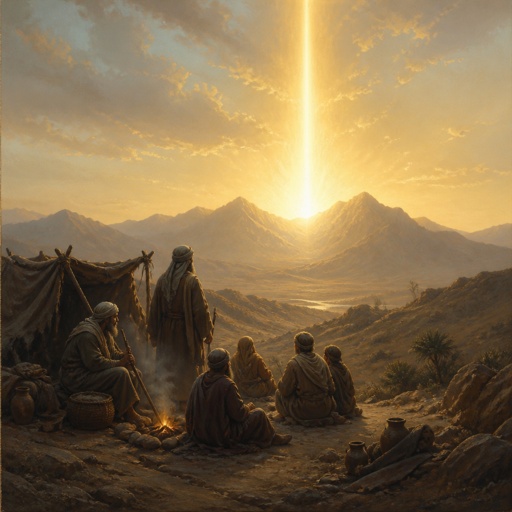
"For I am the LORD, I change not; therefore ye sons of Jacob are not consumed." - Malachi 3:6

Malachi 3:16 - "¶ Then they that feared the LORD spake often one to another: and the LORD hearkened, and heard it, and a book of remembrance was written before him for them that feared the LORD, and that thought upon his name."

Malachi 1:12 - "¶ But ye have profaned it, in that ye say, The table of the LORD is polluted; and the fruit thereof, even his meat, is contemptible."