What does Luke 8:26 mean?
"¶ And they arrived at the country of the Gadarenes, which is over against Galilee." - Luke 8:26
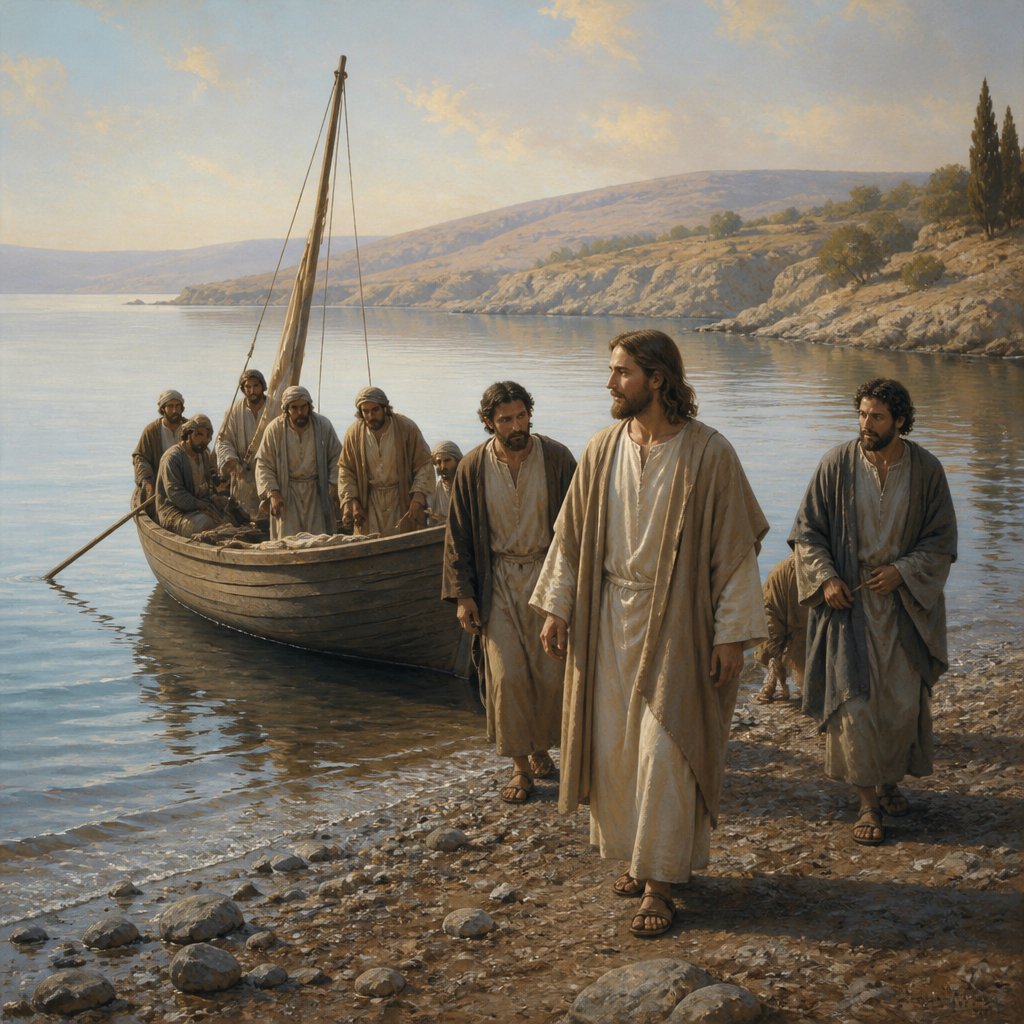
Luke 8:26 - "And they arrived at the country of the Gadarenes, which is over against Galilee."
This verse is a part of the larger story found in Luke 8:26-39, often referred to as the "healing of the demon-possessed man." This story is significant as it showcases the power and authority of Jesus over demonic forces, and is also a demonstration of God's mercy and compassion towards those who are suffering.
The verse describes the location where Jesus and his disciples arrived - the country of the Gadarenes, which is opposite to Galilee. This geographical detail is important as it sets the scene for the subsequent events that unfold. The Gadarenes was a region known for its Gentile population, and this detail foreshadows the encounter with the demon-possessed man, who was a Gentile.
The theme of geographical juxtaposition is also significant in the broader context of the Gospel of Luke. Throughout the Gospel, we see Jesus crossing boundaries and reaching out to people in different regions, regardless of their social status or background. The fact that the Gadarenes is mentioned as being opposite to Galilee also reflects the contrast between the Jewish and Gentile worlds, and serves as a reminder of Jesus' universal message of salvation for all people.
As Jesus and his disciples arrive in the country of the Gadarenes, they are immediately confronted by a man possessed by demons. This man had been suffering for a long time, and was living among the tombs, isolated from society. This portrayal of the demon-possessed man as an outcast reflects the broader theme of Jesus' ministry to the marginalized and oppressed. It demonstrates his compassion and willingness to reach out to those who are often shunned by society.
The encounter with the demon-possessed man also serves as a powerful symbol of spiritual warfare. The demons within the man recognize Jesus' authority and plead with him not to torment them. When Jesus commands the demons to come out of the man, they obey and are cast into a herd of pigs, which then rush into the lake and drown. This dramatic scene highlights the power of Jesus over the forces of evil and his ability to bring about deliverance and freedom for those who are oppressed.
The reaction of the people in the region is also worth noting. Instead of rejoicing at the man's healing, they are afraid and ask Jesus to leave their region. This response reflects the fear and resistance that often accompanies encounters with the supernatural. It also serves as a reminder of the spiritual blindness and indifference that can hinder people from recognizing the work of God in their midst.
In conclusion, Luke 8:26 is a pivotal verse in the larger narrative of the healing of the demon-possessed man. It sets the stage for a powerful demonstration of Jesus' authority over demonic forces and his compassion towards those who are suffering. The geographical detail of the Gadarenes also highlights the universal nature of Jesus' message and his willingness to reach out to all people, regardless of their background. This story serves as a powerful reminder of God's power to bring about deliverance and freedom, and his relentless pursuit of those who are oppressed and marginalized.
Have questions about Luke 8:26?
Dive deeper into this scripture with Bible Chat — an AI-powered tool for exploring God's Word through conversation. Ask questions, get context, and grow in your understanding of the Bible.
Get Our Apps


Luke 8:26 Artwork

Luke 8:26 - "¶ And they arrived at the country of the Gadarenes, which is over against Galilee."
"¶ And they arrived at the country of the Gadarenes, which is over against Galilee." - Luke 8:26

luke 1:26

luke 1:26

Luke 1:26

Luke 12:25-26

Luke 12:25-26

Luke 16:22-26

Luke 12:25-26

Luke 6:21-26

Luke 12:25-26
Luke 12:25-26

Luke 12:25-26

Luke 6:21-26

Luke 5:17-26

Luke 12:25-26

Luke 18:26 - "And they that heard it said, Who then can be saved?"

Luke 8:5-8

Luke 17:26 - "And as it was in the days of Noe, so shall it be also in the days of the Son of man."

Luke 15:26 - "And he called one of the servants, and asked what these things meant."

Numbers 26:8 - "And the sons of Pallu; Eliab."

romans 8:26-28

Luke 8:16

Luke 8:11

Luke 8:17

Luke 8:13

Luke 8:13

Luke 8:13

Luke 10:26 - "He said unto him, What is written in the law? how readest thou?"

1 Chronicles 8:26 - "And Shamsherai, and Shehariah, and Athaliah,"