What does Luke 7:41 mean?
"There was a certain creditor which had two debtors: the one owed five hundred pence, and the other fifty." - Luke 7:41
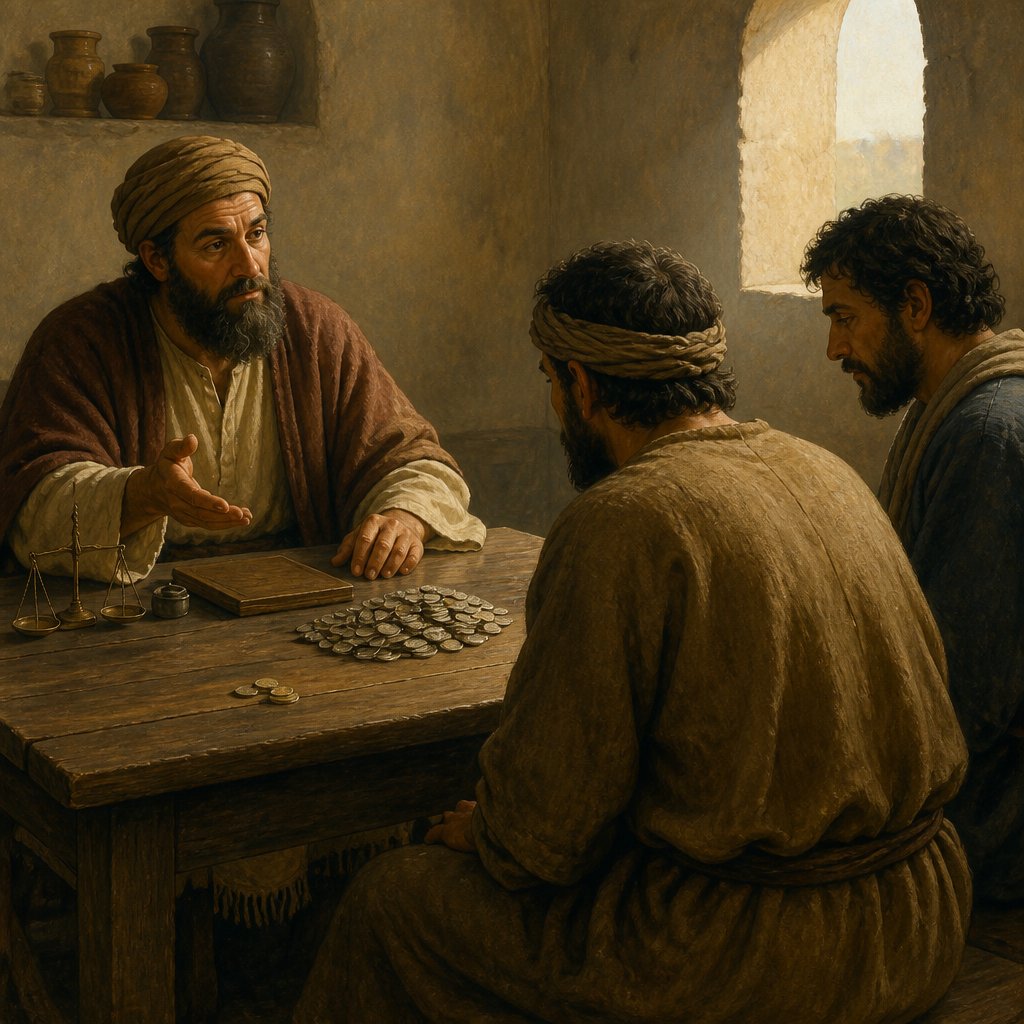
Luke 7:41 (KJV) says, "There was a certain creditor which had two debtors: the one owed five hundred pence, and the other fifty."
This verse is part of a parable told by Jesus to the Pharisee Simon, who had invited him to eat at his home. The parable is about forgiveness and the understanding of grace. In the parable, a certain creditor has two debtors, one who owed a large amount (500 pence) and one who owed a smaller amount (50 pence). The creditor forgave both debtors their debts. Jesus then asks Simon, "Which of them will love him most?" Simon answers, "I suppose that he, to whom he forgave most." Jesus then explains that the one who is forgiven the greater debt will love more, and the one who is forgiven of less will love less.
The theme of this parable is forgiveness and the understanding of grace. It shows that no matter the size of the debt, both debtors needed forgiveness, and the creditor showed them both grace by forgiving their debts. This is a powerful lesson on the equalizing nature of forgiveness. It doesn't matter how much we need to be forgiven; we all need it. In the eyes of God, our sin debt is ultimately the same, and his grace is freely given to all who ask for it.
The context of this verse is important to understand the message that Jesus is conveying. He is speaking to the Pharisee Simon, who represents the religious establishment of the time. The Pharisees were known for being self-righteous and judgmental of others. Jesus is using this parable to teach them about the importance of forgiveness and the nature of grace. He is challenging their views on who is deserving of forgiveness and love and demonstrating that God's grace is available to all, regardless of their past sins.
The symbolism in this verse is seen in the two debtors and the creditor. The debtors represent all of humanity, who are indebted to God because of their sin. The larger debt represents those who have sinned more grievously, and the smaller debt represents those who have sinned less. The creditor represents God, who is willing to forgive all who come to him in repentance.
This parable also symbolically represents the sacrificial death of Jesus on the cross. He paid the debt for our sins, no matter how large or small, and offers us the forgiveness and grace of God. This imagery helps to illustrate the all-encompassing nature of God's mercy and the universal need for his forgiveness.
In conclusion, Luke 7:41 in the King James Version is a powerful and thought-provoking verse that teaches us about the importance of forgiveness, the nature of grace, and God's unconditional love for all of humanity. It challenges our preconceived notions of who is deserving of forgiveness and reminds us that we all stand in need of God's grace. This parable is a timeless lesson that continues to speak to us today, urging us to be both humble in our own need for forgiveness and generous in extending grace to others.
Have questions about Luke 7:41?
Dive deeper into this scripture with Bible Chat — an AI-powered tool for exploring God's Word through conversation. Ask questions, get context, and grow in your understanding of the Bible.
Get Our Apps


Luke 7:41 Artwork

Luke 7:41-47

Luke 7:41 - "There was a certain creditor which had two debtors: the one owed five hundred pence, and the other fifty."
"There was a certain creditor which had two debtors: the one owed five hundred pence, and the other fifty." - Luke 7:41

Luke 7:41-43 - "There was a certain creditor who had two debtors. One owed five hundred denarii, and the other fifty. And when they had nothing with which to repay, he freely forgave them both. Tell Me, therefore, which of them will love him more? Simon answered and said, “I suppose the one whom he forgave more.” And He said to him, “You have rightly judged.”"
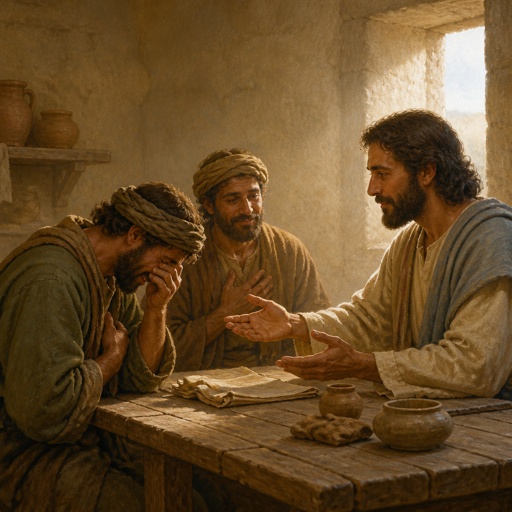
"There was a certain creditor who had two debtors. One owed five hundred denarii, and the other fifty. And when they had nothing with which to repay, he freely forgave them both. Tell Me, therefore, which of them will love him more? Simon answered and said, “I suppose the one whom he forgave more.” And He said to him, “You have rightly judged.”" - Luke 7:41-43

LUKE 24:41-43

Luke 2:41-52

Luke 19:41 - "¶ And when he was come near, he beheld the city, and wept over it,"

Luke 20:41 - "And he said unto them, How say they that Christ is David's son?"

Luke 22:41 - "And he was withdrawn from them about a stone's cast, and kneeled down, and prayed,"

Luke 2:41 - "Now his parents went to Jerusalem every year at the feast of the passover."

Luke 6:41 - "And why beholdest thou the mote that is in thy brother's eye, but perceivest not the beam that is in thine own eye?"

Luke 12:41 - "¶ Then Peter said unto him, Lord, speakest thou this parable unto us, or even to all?"

Luke 11:41 - "But rather give alms of such things as ye have; and, behold, all things are clean unto you."

Nehemiah 7:41 - "The children of Pashur, a thousand two hundred forty and seven."

Luke 23:41 - "And we indeed justly; for we receive the due reward of our deeds: but this man hath done nothing amiss."

Luke 1:41 - "And it came to pass, that, when Elisabeth heard the salutation of Mary, the babe leaped in her womb; and Elisabeth was filled with the Holy Ghost:"

Luke 24:41 - "And while they yet believed not for joy, and wondered, he said unto them, Have ye here any meat?"

Luke 10:41 - "And Jesus answered and said unto her, Martha, Martha, thou art careful and troubled about many things:"

Luke 4:40-41 KJVA (41) And devils also came out of many, crying out, and saying, Thou art Christ the Son of God. And he rebuking them suffered them not to speak: for they knew that he was Christ.

John 7:41 - "Others said, This is the Christ. But some said, Shall Christ come out of Galilee?"

Luke 18:41 - "Saying, What wilt thou that I shall do unto thee? And he said, Lord, that I may receive my sight."

Job 41:7 - "Canst thou fill his skin with barbed irons? or his head with fish spears?"

Luke 9:41 - "And Jesus answering said, O faithless and perverse generation, how long shall I be with you, and suffer you? Bring thy son hither."

Psalms 41:7 - "All that hate me whisper together against me: against me do they devise my hurt."

Acts 7:41 - "And they made a calf in those days, and offered sacrifice unto the idol, and rejoiced in the works of their own hands."

Genesis 41:7 - "And the seven thin ears devoured the seven rank and full ears. And Pharaoh awoke, and, behold, it was a dream."

LUKE 24:41-43 41 And while they still did not believe it because of joy and amazement, he asked them, “Do you have anything here to eat?” 42 They gave him a piece of broiled fish, 43 and he took it and ate it in their presence.

LUKE 24:41-43 41 And while they still did not believe it because of joy and amazement, he asked them, “Do you have anything here to eat?” 42 They gave him a piece of broiled fish, 43 and he took it and ate it in their presence.

"And he said unto them, How say they that Christ is David's son?" - Luke 20:41