What does Luke 6:20 mean?
"¶ And he lifted up his eyes on his disciples, and said, Blessed be ye poor: for your's is the kingdom of God." - Luke 6:20
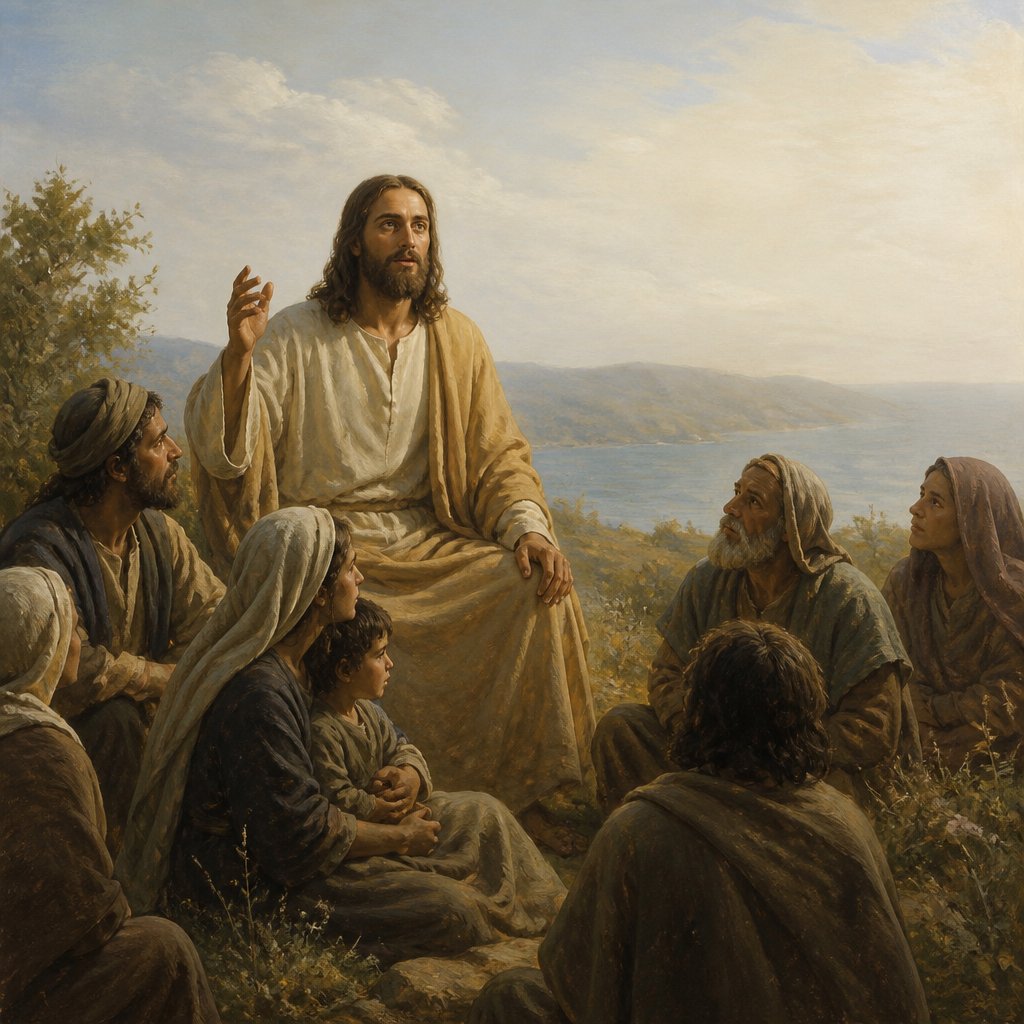
The Bible verse Luke 6:20 from the King James Version reads: "And he lifted up his eyes on his disciples, and said, Blessed be ye poor: for yours is the kingdom of God." This verse is part of the larger passage in Luke 6:20-26, known as the "Sermon on the Plain," where Jesus delivers a series of teachings to the crowd and his disciples. In this specific verse, Jesus is addressing his disciples and emphasizing the concept of being blessed in poverty.
The theme of poverty and its spiritual implications is central to this verse. Jesus' statement challenges conventional wisdom and societal norms regarding wealth and status. In the world's eyes, poverty is often seen as a curse, a sign of failure or lack of God's favor. However, Jesus turns this mindset upside down by declaring that the poor are blessed and have a unique place in the kingdom of God. This emphasizes that earthly wealth and riches do not equate to spiritual superiority or God's favor.
The context of this verse is crucial to understanding its meaning. In the larger passage, Jesus presents a series of "blessings and woes," where he contrasts the values of the kingdom of God with the values of the world. In doing so, he challenges the crowd to reevaluate their understanding of what it means to be blessed and prosperous. He elevates virtues such as humility, compassion, and dependence on God, which are often more accessible to those who are poor and marginalized in society.
The symbolism in this verse is profound. Jesus' declaration of the poor being blessed symbolizes a reversal of values and a radical transformation of the world's standards. It embodies the concept of the "upside-down kingdom" where the last are first and the first are last. Poverty becomes a symbol of dependence on God and spiritual abundance, rather than mere material lack. This challenges believers to reassess their perspectives on wealth and poverty and seek the true blessings of God's kingdom.
Furthermore, the emphasis on the kingdom of God belonging to the poor highlights the inclusive nature of God's kingdom. It transcends worldly hierarchies and embraces all who are humble in spirit, regardless of their socio-economic status. This message is particularly relevant in a world where wealth and power often dictate a person's worth and influence.
Ultimately, Luke 6:20 serves as a powerful reminder of the values of God's kingdom and the subversive nature of Jesus' teachings. It calls believers to examine their attitudes towards poverty, wealth, and blessings, and consider how they align with the values of the kingdom of God. It also challenges individuals to seek spiritual richness and humility, recognizing that true blessings come from God, not from material possessions or societal status.
In conclusion, Luke 6:20 from the King James Version of the Bible conveys a profound message about the blessings of poverty and the nature of God's kingdom. It challenges conventional thinking about wealth and poverty, and emphasizes the elevated status of the poor in the eyes of God. This verse is a timeless reminder of the upside-down values of the kingdom of God, calling believers to reevaluate their perspectives on wealth and poverty and strive for the true blessings of spiritual abundance.
Have questions about Luke 6:20?
Dive deeper into this scripture with Bible Chat — an AI-powered tool for exploring God's Word through conversation. Ask questions, get context, and grow in your understanding of the Bible.
Get Our Apps


Luke 6:20 Artwork

Luke 6:20 - "¶ And he lifted up his eyes on his disciples, and said, Blessed be ye poor: for your's is the kingdom of God."
"¶ And he lifted up his eyes on his disciples, and said, Blessed be ye poor: for your's is the kingdom of God." - Luke 6:20

Luke 20:6 - "But and if we say, Of men; all the people will stone us: for they be persuaded that John was a prophet."
"But and if we say, Of men; all the people will stone us: for they be persuaded that John was a prophet." - Luke 20:6

Luke 13:20-21

Luke 13:20-21

Luke 13:20-21

Luke 13:20-21
Luke 13:20-21

Luke 20:28

Luke 2:1-20

Luke 20:7 - "And they answered, that they could not tell whence it was."

Luke 6
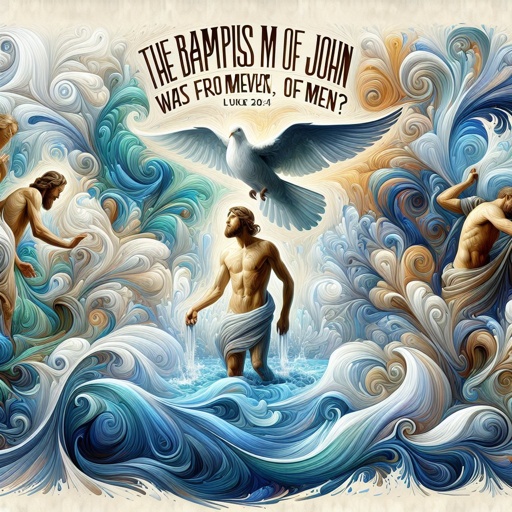
Luke 20:4 - "The baptism of John, was it from heaven, or of men?"

Luke 20:32 - "Last of all the woman died also."

Luke 20:22 - "Is it lawful for us to give tribute unto Caesar, or no?"

luke 6: 27

luke 6:30

Luke 20:30 - "And the second took her to wife, and he died childless."

Luke 20:40 - "And after that they durst not ask him any question at all."

Luke 20:43 - "Till I make thine enemies thy footstool."

Luke 20:45 - "¶ Then in the audience of all the people he said unto his disciples,"

Luke 20:38 - "For he is not a God of the dead, but of the living: for all live unto him."

Luke 23:20 - "Pilate therefore, willing to release Jesus, spake again to them."

Joshua 6:20

Joshua 6:20

Genesis 20-6

Luke 20:44 - "David therefore calleth him Lord, how is he then his son?"

Luke 20:41 - "And he said unto them, How say they that Christ is David's son?"

Luke 20:39 - "¶ Then certain of the scribes answering said, Master, thou hast well said."