What does Luke 5:36-39 mean?
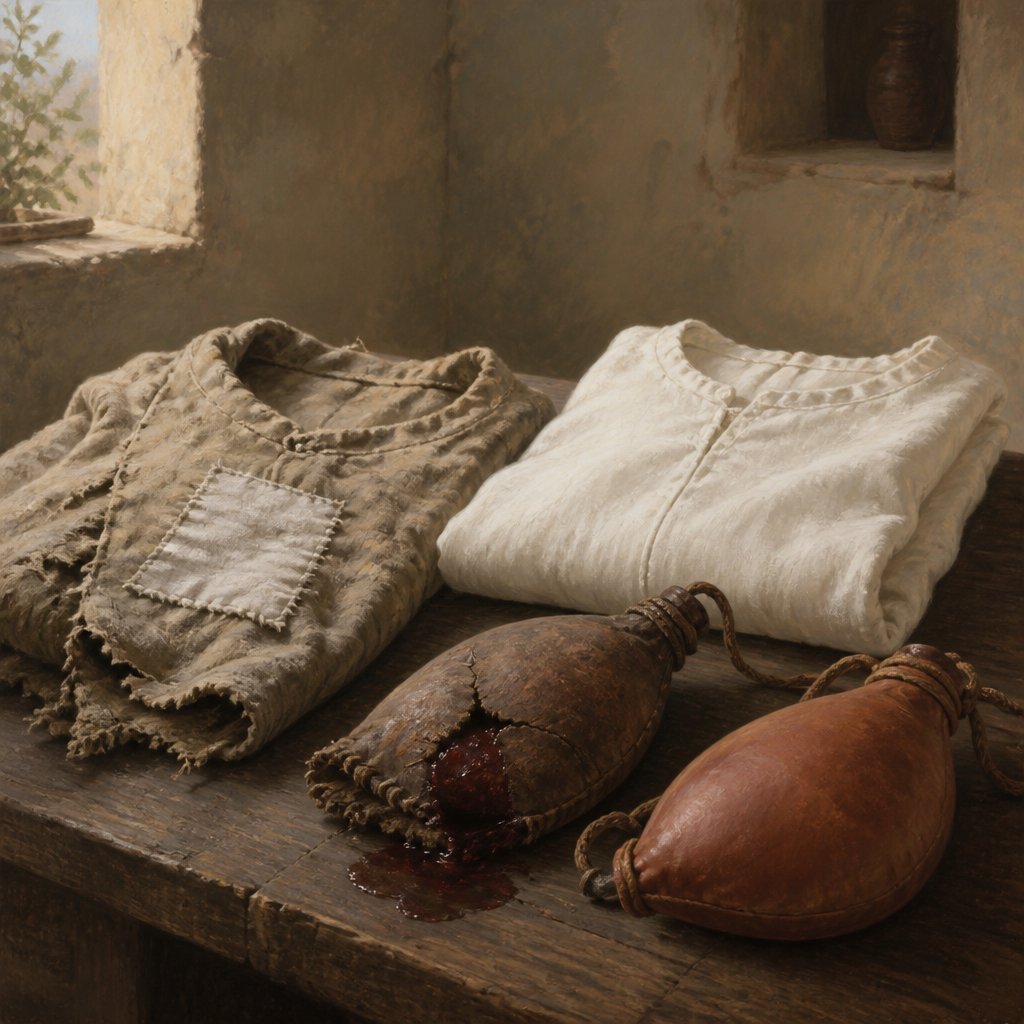
"He also told them a parable: No one tears a piece from a new garment and sews it on an old garment; otherwise the new will be torn, and the piece from the new will not match the old. And no one puts new wine into old wineskins; otherwise the new wine will burst the skins and will be spilled, and the skins will be destroyed. But new wine must be put into fresh wineskins. And no one after drinking old wine desires new wine, but says, The old is good." - Luke 5:36-39
Luke 5:36-39 in the King James Version of the Bible reads:
"And he spake also a parable unto them; No man putteth a piece of a new garment upon an old; if otherwise, then both the new maketh a rent, and the piece that was taken out of the new agreeth not with the old. And no man putteth new wine into old bottles; else the new wine will burst the bottles, and be spilled, and the bottles shall perish. But new wine must be put into new bottles; and both are preserved. No man also having drunk old wine straightway desireth new: for he saith, The old is better."
This passage is part of a series of parables and teachings that Jesus gives to his disciples and the crowds that were following him. Jesus often used parables to convey spiritual truths in a way that would be relatable and understandable to his audience.
At the heart of this passage is the theme of the new versus the old. Jesus uses two distinct examples – the new garment and the new wine – to illustrate this theme. In the first example, he explains that it is unwise to patch a new garment with an old piece of cloth, as the new cloth will shrink and tear away from the old, leaving both in worse condition than before. In the second example, Jesus warns against putting new wine into old wineskins, as the fermentation process would cause the old wineskins to burst, resulting in a loss of both the wine and the skins. Instead, he advises that the new wine should be put into new wineskins, preserving both.
These examples hold deep spiritual significance. Jesus is using them to convey a deeper truth about the new covenant that he is ushering in through his ministry. The old garments and wineskins represent the old religious system, while the new garments and new wine represent the new life and new teachings that Jesus brings.
In the context of the time, the new covenant that Jesus preached was a radical departure from the stringent religious laws and customs of the Pharisees and Sadducees. Jesus was ushering in a new way of relating to God and understanding the kingdom of heaven. This new covenant was based on love, grace, and forgiveness, rather than the rigid rules and sacrifices of the old covenant.
The old garments and wineskins also symbolize the limitations and incompatibilities of the old religious system. They were unable to contain the new and transformative message that Jesus brought. Just as the old cloth and old wineskins could not accommodate the new, so too the old religious system could not contain the revolutionary teachings of Jesus.
The passage also touches on the reluctance of people to embrace change. Jesus speaks of how those accustomed to the old wine will resist the new, claiming that the old is better. This reflects the resistance that Jesus encountered from the religious leaders and the people of his time, who were hesitant to abandon their familiar traditions and embrace his radical new teachings.
The deeper spiritual truth behind these parables is that the new covenant that Jesus brings requires a complete transformation. It calls for a new way of thinking, a new way of living, and a new way of relating to God and others. It cannot be contained within the boundaries of the old, and those who cling to the old ways will miss out on the blessings and freedom that come with the new covenant.
In conclusion, Luke 5:36-39 is a powerful and thought-provoking passage that challenges us to examine our own lives and beliefs. It reminds us that the new life and teachings that Jesus offers cannot be confined within the limitations of the old. It calls us to embrace change and transformation, and to open ourselves up to the new and transformative work that Jesus wants to do in our hearts and lives. This passage serves as a timeless reminder that the kingdom of God is ever-unfolding and calls for a willingness to let go of the old and embrace the new.
Have questions about Luke 5:36-39?
Dive deeper into this scripture with Bible Chat — an AI-powered tool for exploring God's Word through conversation. Ask questions, get context, and grow in your understanding of the Bible.
Get Our Apps


Luke 5:36-39 Artwork

Luke 5:36-39 - "He also told them a parable: “No one tears a piece from a new garment and sews it on an old garment; otherwise the new will be torn, and the piece from the new will not match the old. And no one puts new wine into old wineskins; otherwise the new wine will burst the skins and will be spilled, and the skins will be destroyed. But new wine must be put into fresh wineskins. And no one after drinking old wine desires new wine, but says, ‘The old is good.’”"
"He also told them a parable: “No one tears a piece from a new garment and sews it on an old garment; otherwise the new will be torn, and the piece from the new will not match the old. And no one puts new wine into old wineskins; otherwise the new wine will burst the skins and will be spilled, and the skins will be destroyed. But new wine must be put into fresh wineskins. And no one after drinking old wine desires new wine, but says, ‘The old is good.’”" - Luke 5:36-39

Luke 5:36

Luke 5:39

Luke 5:39 - "No man also having drunk old wine straightway desireth new: for he saith, The old is better."

Exodus 39:36 - "The table, and all the vessels thereof, and the shewbread,"

Luke 22:39

Luke 1:39

Luke 22:39

"The table, and all the vessels thereof, and the shewbread," - Exodus 39:36

Luke 5:36 - "¶ And he spake also a parable unto them; No man putteth a piece of a new garment upon an old; if otherwise, then both the new maketh a rent, and the piece that was taken out of the new agreeth not with the old."

Luke 1:39 - 45

Luke 11.33-36

"No man also having drunk old wine straightway desireth new: for he saith, The old is better." - Luke 5:39

Luke 7:36-50

Luke 7:36–50

Luke 19:36 - "And as he went, they spread their clothes in the way."

Luke 20:39 - "¶ Then certain of the scribes answering said, Master, thou hast well said."

Luke 1:39 - "And Mary arose in those days, and went into the hill country with haste, into a city of Juda;"

Luke 6:36 - "Be ye therefore merciful, as your Father also is merciful."

Luke 18:36 - "And hearing the multitude pass by, he asked what it meant."
Genesis 36:39 - "And Baal-hanan the son of Achbor died, and Hadar reigned in his stead: and the name of his city was Pau; and his wife's name was Mehetabel, the daughter of Matred, the daughter of Mezahab."

Luke 19:39 - "And some of the Pharisees from among the multitude said unto him, Master, rebuke thy disciples."

Luke 17:36 - "Two men shall be in the field; the one shall be taken, and the other left."

Luke 23:36 - "And the soldiers also mocked him, coming to him, and offering him vinegar,"

Luke 10:39 - "And she had a sister called Mary, which also sat at Jesus' feet, and heard his word."

Luke 23:39 - "¶ And one of the malefactors which were hanged railed on him, saying, If thou be Christ, save thyself and us."

Luke 6:39 - "And he spake a parable unto them, Can the blind lead the blind? shall they not both fall into the ditch?"

Luke 22:39 - "¶ And he came out, and went, as he was wont, to the mount of Olives; and his disciples also followed him."

Luke 2:39 - "And when they had performed all things according to the law of the Lord, they returned into Galilee, to their own city Nazareth."