What does Luke 3:8 mean?
"Bring forth therefore fruits worthy of repentance, and begin not to say within yourselves, We have Abraham to our father: for I say unto you, That God is able of these stones to raise up children unto Abraham." - Luke 3:8
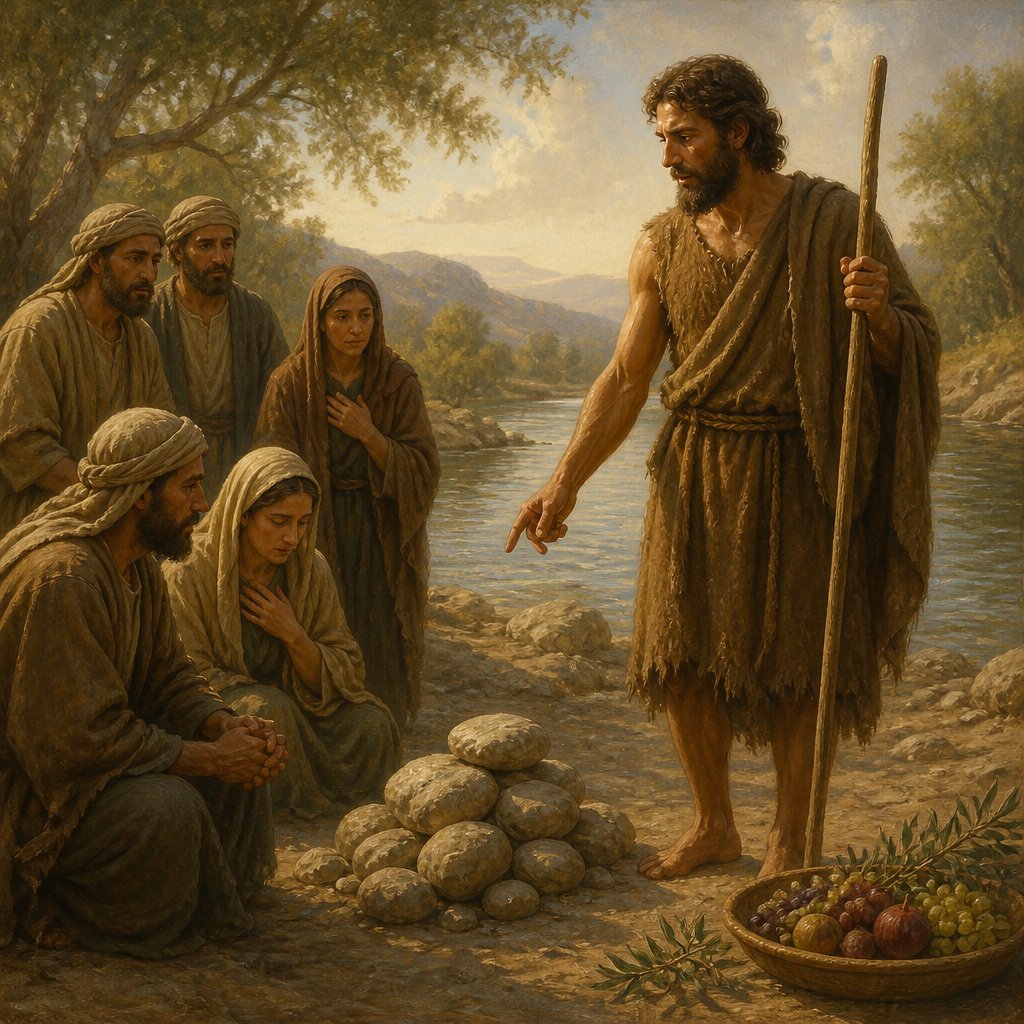
Luke 3:8 (KJV) states, "Bring forth therefore fruits worthy of repentance, and begin not to say within yourselves, We have Abraham to our father: for I say unto you, That God is able of these stones to raise up children unto Abraham."
This verse is part of a passage in which John the Baptist is preaching to the crowds who have come to be baptized by him in the river Jordan. John preaches a message of repentance and the need for a genuine change of heart and actions. He warns the people not to rely on their heritage or lineage, but rather to demonstrate true repentance through their actions and deeds.
The verse contains several key themes that are important to understand in order to fully appreciate its meaning and significance. These themes include repentance, the rejection of reliance on lineage or heritage, and the sovereignty of God.
The theme of repentance is central to the teachings of John the Baptist and is a key aspect of the Christian faith. Repentance involves not only feeling sorry for one's sin but also turning away from it and living in a way that is pleasing to God. John is calling the people to demonstrate this transformation through their actions, what he refers to as "fruits worthy of repentance." This implies that true repentance is evidenced by a change in behavior and lifestyle.
The rejection of reliance on lineage or heritage is another important theme in this verse. The people of John's time placed a great deal of importance on their lineage and heritage, believing that their status as descendants of Abraham made them special in the eyes of God. However, John refutes this mindset, emphasizing that true relationship with God is based on personal faith and repentance, not on ancestry or lineage. This theme is also relevant for contemporary believers, reminding us that our relationship with God is not based on our family background or status, but on our personal faith and obedience.
The verse also highlights the sovereignty of God, as John declares that "God is able of these stones to raise up children unto Abraham." This statement emphasizes God's power and ability to accomplish his purposes, regardless of human limitations or expectations. It serves as a reminder that God's plans and intentions are not bound by human understanding or expectations, and that he is able to work in ways that are far beyond our comprehension. This theme reinforces the concept of reliance on God rather than on human efforts or understanding.
In terms of context, it is important to understand the historical and cultural background in which this verse was spoken. John the Baptist was a prominent figure in first-century Judaism, known for his fiery preaching and call to repentance. His ministry was seen as a precursor to the coming of the Messiah, and his message of repentance and preparation for the kingdom of God was met with great interest and anticipation by the people of the time.
Symbolism in this verse can be seen in the reference to "stones" as potential children of Abraham. This imagery underscores the idea that God's plan and purposes are not limited by human expectations or possibilities. It also emphasizes the transformative power of God, as he is able to bring about the fulfillment of his promises in unexpected and extraordinary ways.
In conclusion, Luke 3:8 (KJV) conveys a powerful message about the importance of genuine repentance, the rejection of reliance on human lineage or heritage, and the sovereignty of God. Its themes of repentance, lineage, and the power of God are timeless and relevant for believers today, serving as a reminder of the need for sincere faith and obedience in our relationship with God.
Have questions about Luke 3:8?
Dive deeper into this scripture with Bible Chat — an AI-powered tool for exploring God's Word through conversation. Ask questions, get context, and grow in your understanding of the Bible.
Get Our Apps


Luke 3:8 Artwork
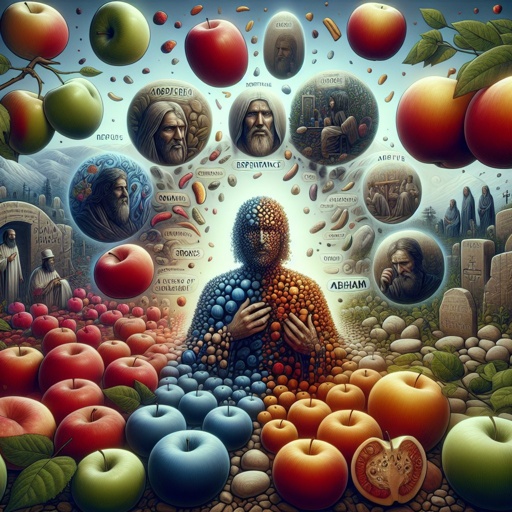
Luke 3:8 - "Bring forth therefore fruits worthy of repentance, and begin not to say within yourselves, We have Abraham to our father: for I say unto you, That God is able of these stones to raise up children unto Abraham."
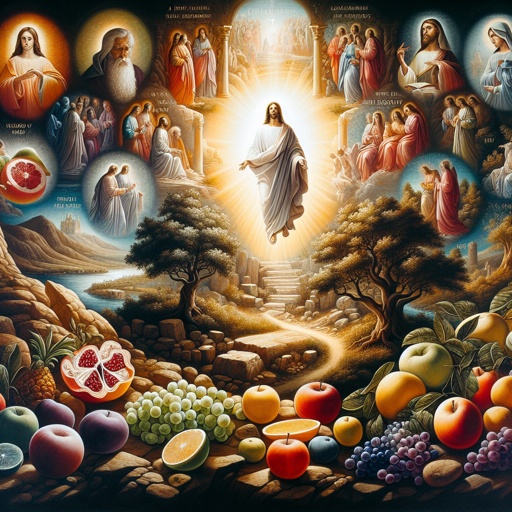
Luke 3:8 Bring forth therefore fruits worthy of repentance, and begin not to say within yourselves, We have Abraham to our father: for I say unto you, That God is able of these stones to raise up children unto Abraham.
"Bring forth therefore fruits worthy of repentance, and begin not to say within yourselves, We have Abraham to our father: for I say unto you, That God is able of these stones to raise up children unto Abraham." - Luke 3:8

Luke 8:3 - "And Joanna the wife of Chuza Herod's steward, and Susanna, and many others, which ministered unto him of their substance."

Luke 8:5-8
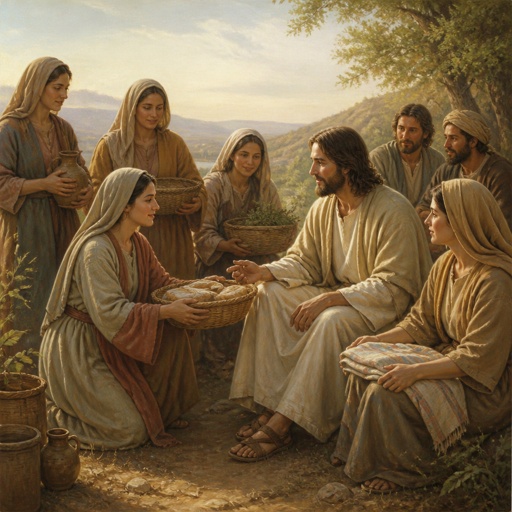
"And Joanna the wife of Chuza Herod's steward, and Susanna, and many others, which ministered unto him of their substance." - Luke 8:3

Luke 8:16

Luke 8:11

Luke 8:17

Luke 8:13

Luke 8:13

Luke 8:13

Luke 24:8 - "And they remembered his words,"

Luke 2 v 8

Luke 8:4-18

Luke 8:11 - "Now the parable is this: The seed is the word of God."

luke 3:1-6

Luke 3:1-6

Luke 3:1-6

Luke 3:3 - "And he came into all the country about Jordan, preaching the baptism of repentance for the remission of sins;"

Luke 8:53 - "And they laughed him to scorn, knowing that she was dead."

John 3:3-8

Luke 8:26 - "¶ And they arrived at the country of the Gadarenes, which is over against Galilee."

Luke 8:9 - "And his disciples asked him, saying, What might this parable be?"
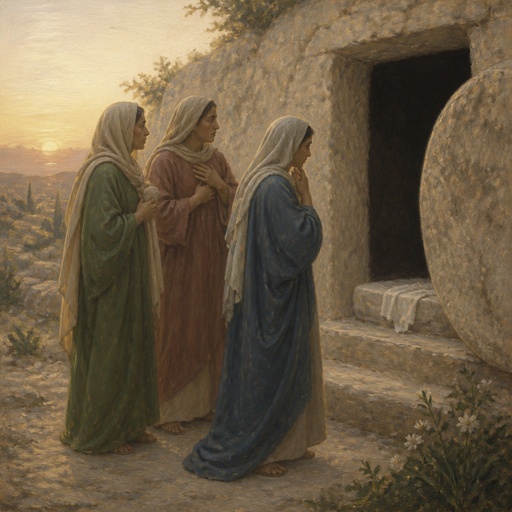
"And they remembered his words," - Luke 24:8

Luke 24:3 - "And they entered in, and found not the body of the Lord Jesus."

Luke 8:7 - "And some fell among thorns; and the thorns sprang up with it, and choked it."

Luke 8:31 - "And they besought him that he would not command them to go out into the deep."

Luke 3:6 - "And all flesh shall see the salvation of God."

Luke 15:3 - "¶ And he spake this parable unto them, saying,"