What does Luke 3:30 mean?
"Which was the son of Simeon, which was the son of Juda, which was the son of Joseph, which was the son of Jonan, which was the son of Eliakim," - Luke 3:30
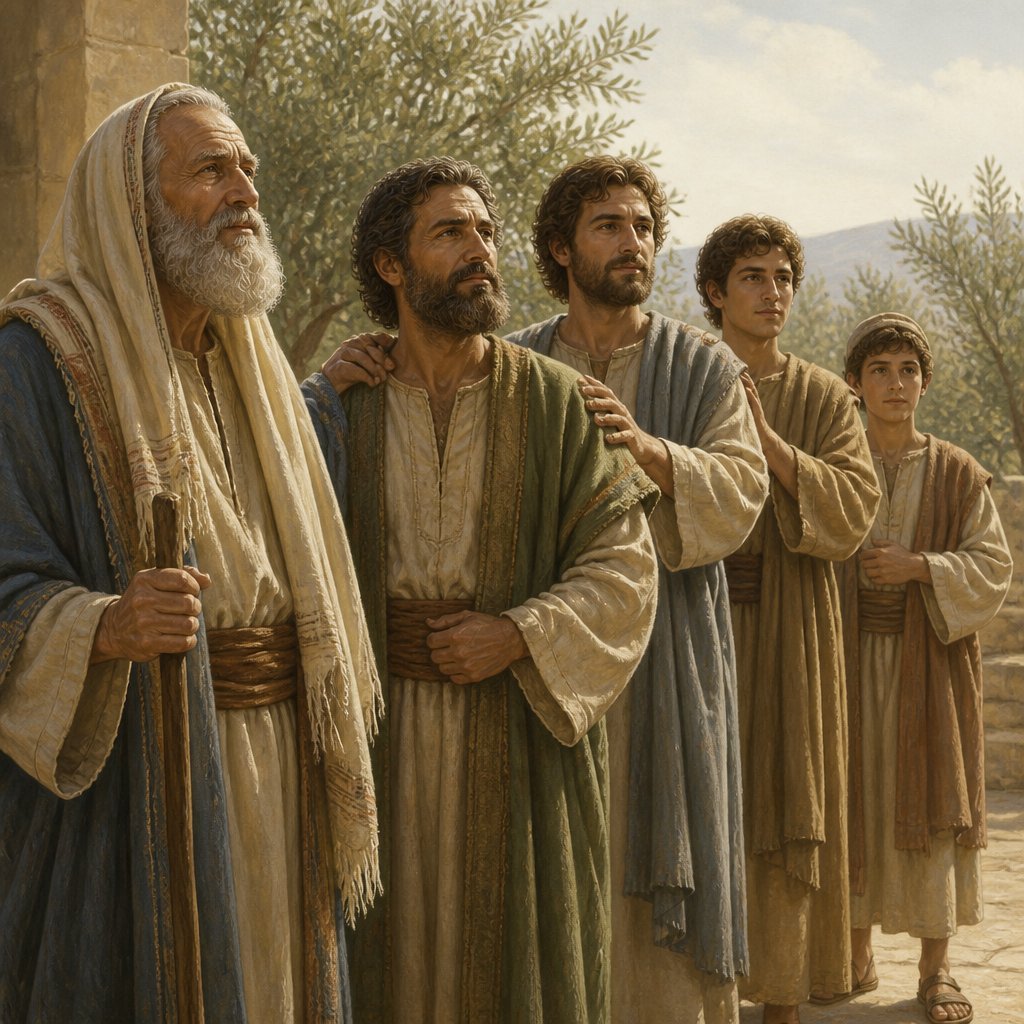
Luke 3:30 in the King James Version of the Bible states, "Which was the son of Simeon, which was the son of Juda, which was the son of Joseph, which was the son of Jonan, which was the son of Eliakim." This verse appears in the genealogy of Jesus Christ as recorded by Luke, tracing his lineage all the way back to Adam.
At first glance, this verse may appear mundane and insignificant, merely listing a series of names in Jesus' genealogy. However, upon closer examination, this verse carries profound significance for understanding the broader themes of the Bible and the story of salvation.
In the larger context of the Bible, genealogies serve an important purpose. They not only establish familial lines of descent, but they also underscore the historical and ongoing work of God in fulfilling his promises. In the case of Jesus' genealogy in Luke 3, the inclusion of his lineage traces back to Adam, serving to highlight Jesus' connection to all of humanity. This emphasizes his role as the Savior who came to redeem all people, transcending ethnic, cultural, and historical boundaries. By including names from different eras and lineages, this genealogy demonstrates that God's redemptive work spans across generations and encompasses all people.
Furthermore, the genealogy in Luke 3:23-38 fulfills Old Testament prophecies concerning the promised Messiah from the line of David. This genealogy confirms Jesus' rightful claim to the throne of David, as it traces his lineage through David's son Nathan, highlighting his royal heritage as the long-anticipated King of Israel. This fulfillment of prophecy establishes Jesus as the fulfillment of God's covenant with David, cementing his identity as the promised Messiah.
In addition to its historical and theological significance, Luke 3:30 also carries symbolic value. Each name in Jesus' genealogy represents a link in the chain of God's redemptive plan. The mention of each individual signifies the faithfulness of God throughout history, as he worked through ordinary people to bring about his extraordinary purposes. This genealogy reminds us that God's plan of salvation has been unfolding through the generations, ultimately culminating in the person of Jesus Christ.
Moreover, the inclusion of various names in the genealogy conveys the message of God's grace and inclusivity. Regardless of their backgrounds or histories, every individual listed in the genealogy played a part in God's overarching plan. This serves as a powerful reminder that God's redemptive work extends to all people, regardless of their past or lineage. It reinforces the universal nature of God's love and salvation, inviting all people to participate in his redemptive story.
In conclusion, Luke 3:30 and the broader genealogy of Jesus Christ in Luke 3:23-38 hold immense significance for understanding the themes of God's redemptive plan, his faithfulness to fulfill promises, and the universal nature of salvation. This verse serves as a powerful reminder of God's sovereignty and faithfulness throughout history, and it points to Jesus Christ as the culmination of God's redemptive work. As we reflect on this genealogy, we are invited to marvel at the overarching plan of God and to embrace the inclusive nature of his love and salvation for all people.
Have questions about Luke 3:30?
Dive deeper into this scripture with Bible Chat — an AI-powered tool for exploring God's Word through conversation. Ask questions, get context, and grow in your understanding of the Bible.
Get Our Apps


Luke 3:30 Artwork
Luke 3:30 - "Which was the son of Simeon, which was the son of Juda, which was the son of Joseph, which was the son of Jonan, which was the son of Eliakim,"
"Which was the son of Simeon, which was the son of Juda, which was the son of Joseph, which was the son of Jonan, which was the son of Eliakim," - Luke 3:30

Luke 1:30

luke 9:30

luke 6:30

luke 9:29- 30

african american luke 10:30

Luke 14:30 - "Saying, This man began to build, and was not able to finish."

Luke 2:30 - "For mine eyes have seen thy salvation,"

Luke 20:30 - "And the second took her to wife, and he died childless."

Luke 1:30 Gabriel visits Mary

Luke 17:30 - "Even thus shall it be in the day when the Son of man is revealed."

Luke 4:30 - "But he passing through the midst of them went his way,"

Luke 13:30 - "And, behold, there are last which shall be first, and there are first which shall be last."

Luke 23:30 - "Then shall they begin to say to the mountains, Fall on us; and to the hills, Cover us."

Luke 9:30 - "And, behold, there talked with him two men, which were Moses and Elias:"

John 3:30

Luke 7:30 - "But the Pharisees and lawyers rejected the counsel of God against themselves, being not baptized of him."

Luke 11:30 - "For as Jonas was a sign unto the Ninevites, so shall also the Son of man be to this generation."

Luke 1:30 - "And the angel said unto her, Fear not, Mary: for thou hast found favour with God."

Luke 18:30 - "Who shall not receive manifold more in this present time, and in the world to come life everlasting."

Luke 16:30 - "And he said, Nay, father Abraham: but if one went unto them from the dead, they will repent."

Luke 6:30 - "Give to every man that asketh of thee; and of him that taketh away thy goods ask them not again."

Luke 24:30 - "And it came to pass, as he sat at meat with them, he took bread, and blessed it, and brake, and gave to them."

"Saying, This man began to build, and was not able to finish." - Luke 14:30

Luke 21:30 - "When they now shoot forth, ye see and know of your own selves that summer is now nigh at hand."

Luke 12:30 - "For all these things do the nations of the world seek after: and your Father knoweth that ye have need of these things."

Luke 5:30 - "But their scribes and Pharisees murmured against his disciples, saying, Why do ye eat and drink with publicans and sinners?"

Luke 22:30 - "That ye may eat and drink at my table in my kingdom, and sit on thrones judging the twelve tribes of Israel."
"For mine eyes have seen thy salvation," - Luke 2:30