What does Luke 3:27 mean?
"Which was the son of Joanna, which was the son of Rhesa, which was the son of Zorobabel, which was the son of Salathiel, which was the son of Neri," - Luke 3:27
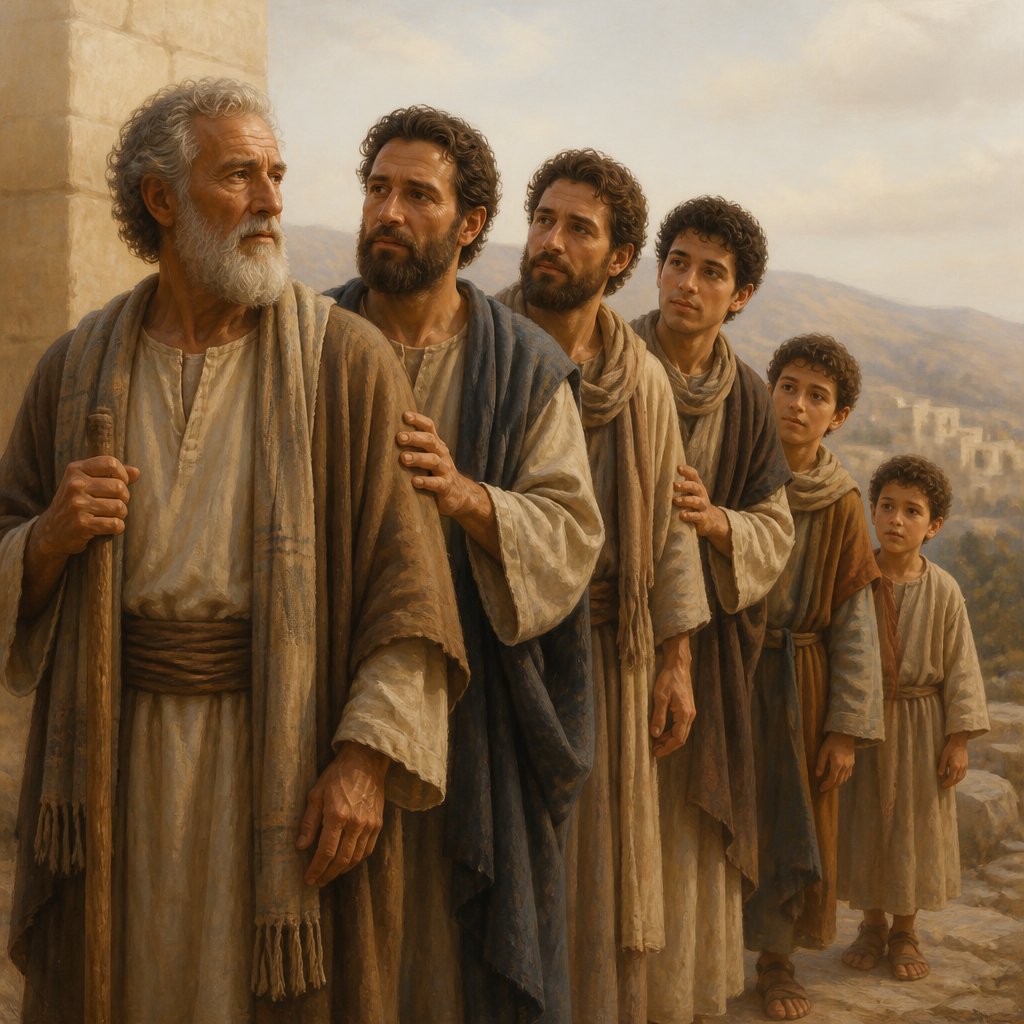
Luke 3:27 KJV: "Which was the son of Joanna, which was the son of Rhesa, which was the son of Zorobabel, which was the son of Salathiel, which was the son of Neri,"
Luke 3:27 is a verse from the Gospel of Luke in the New Testament of the Bible. This verse is part of a genealogy that traces the ancestry of Jesus Christ. The genealogy is recorded in the third chapter of Luke and is often referred to as the "genealogy of Jesus." This genealogy is distinct from the genealogies found in the Gospels of Matthew and Mark and provides a different lineage for Jesus.
In the verses preceding Luke 3:27, the genealogy traces Jesus' lineage all the way back to Adam, the first man created by God. This genealogy serves to establish Jesus' royal and priestly lineage, as well as his connection to the whole of humanity. In the Old Testament, there are numerous genealogies that are used to establish the lineage and heritage of various individuals, particularly those of significant importance.
The verse Luke 3:27 specifically mentions a series of names, each of which represents a link in the chain of Jesus' ancestry. These names include Joanna, Rhesa, Zorobabel, Salathiel, and Neri. Each of these names represents a significant figure in the history of Israel, and their inclusion in the genealogy underscores the importance of their role in the lineage of Jesus.
The genealogy of Jesus is significant for several reasons. Firstly, it serves to fulfill the Old Testament prophecies regarding the Messiah, as it establishes Jesus as a descendant of King David, from whom the Messiah was foretold to come. In the book of Isaiah, for example, it is prophesied that the Messiah will be a descendant of David and will establish an everlasting kingdom (Isaiah 9:6-7).
Secondly, the genealogy of Jesus highlights the fact that Jesus was a part of the Jewish people, and the fulfillment of the promises and covenants that God had made with the nation of Israel. This is important because it shows that God's plan for salvation was in line with his promises to the people of Israel, and it emphasizes the continuity between the Old Testament and the New Testament.
Furthermore, the genealogy of Jesus also emphasizes the humanity of Jesus, as it traces his ancestry back to the very beginning of humanity. This underscores the fact that Jesus was fully human, while also being fully divine. This is a crucial aspect of Christian theology, as it affirms the Incarnation and the significance of Jesus' redemptive work on behalf of humanity.
In terms of symbolism, the genealogy of Jesus represents the continuity of God's plan throughout history. It demonstrates how God's promises and plans for redemption were at work throughout generations, culminating in the coming of Jesus Christ. It also signifies the importance of ancestry and heritage in the biblical narrative, as the genealogy serves to establish Jesus' rightful place as the Messiah and Savior.
The inclusion of specific names in the genealogy, such as Zorobabel and Salathiel, is also symbolic of the historical and cultural significance of these figures within the context of Jewish history. Zorobabel, for example, was a governor of Judah who played a key role in the rebuilding of the temple in Jerusalem after the Babylonian exile. His inclusion in the genealogy of Jesus reflects the importance of historical figures in shaping the lineage of the Messiah.
In conclusion, Luke 3:27, as part of the genealogy of Jesus in the Gospel of Luke, serves to affirm Jesus' royal and priestly lineage, fulfill Old Testament prophecies, and emphasize the continuity of God's plan throughout history. It symbolizes the significance of ancestry and heritage, as well as the humanity and divinity of Jesus. This verse, along with the rest of the genealogy, contributes to the overall narrative of salvation and redemption found in the New Testament.
Have questions about Luke 3:27?
Dive deeper into this scripture with Bible Chat — an AI-powered tool for exploring God's Word through conversation. Ask questions, get context, and grow in your understanding of the Bible.
Get Our Apps


Luke 3:27 Artwork

Luke 3:27 - "Which was the son of Joanna, which was the son of Rhesa, which was the son of Zorobabel, which was the son of Salathiel, which was the son of Neri,"
"Which was the son of Joanna, which was the son of Rhesa, which was the son of Zorobabel, which was the son of Salathiel, which was the son of Neri," - Luke 3:27

luke 1:27

luke 6: 27

Luke 10:27

Luke 6: 27-38

Luke 6:27-38

Luke 13:28-27

Luke 13:28-27

Luke 13:28-27

Luke 18:27 - "And he said, The things which are impossible with men are possible with God."

Luke 21:27 - "And then shall they see the Son of man coming in a cloud with power and great glory."

Luke 20:27 - "¶ Then came to him certain of the Sadducees, which deny that there is any resurrection; and they asked him,"

Luke 20:27-38. All people of color.

Luke 23:27 - "¶ And there followed him a great company of people, and of women, which also bewailed and lamented him."

Luke 14:27 - "And whosoever doth not bear his cross, and come after me, cannot be my disciple."

Luke 1:27 - "To a virgin espoused to a man whose name was Joseph, of the house of David; and the virgin's name was Mary."

Psalm 27:1-3

exodus 27:3 forks

Psalm 27:2-3

Genesis 27:1-3

Luke 24:27 - "And beginning at Moses and all the prophets, he expounded unto them in all the scriptures the things concerning himself."

Luke 4:27 - "And many lepers were in Israel in the time of Eliseus the prophet; and none of them was cleansed, saving Naaman the Syrian."

Luke 16:27 - "Then he said, I pray thee therefore, father, that thou wouldest send him to my father's house:"

Luke 2:27 - "And he came by the Spirit into the temple: and when the parents brought in the child Jesus, to do for him after the custom of the law,"

Luke 9:27 - "But I tell you of a truth, there be some standing here, which shall not taste of death, till they see the kingdom of God."

Luke 6:27 - "¶ But I say unto you which hear, Love your enemies, do good to them which hate you,"

Luke 22:27 - "For whether is greater, he that sitteth at meat, or he that serveth? is not he that sitteth at meat? but I am among you as he that serveth."

luke 3:1-6

Luke 3:1-6