What does Luke 3:10 mean?
"And the people asked him, saying, What shall we do then?" - Luke 3:10
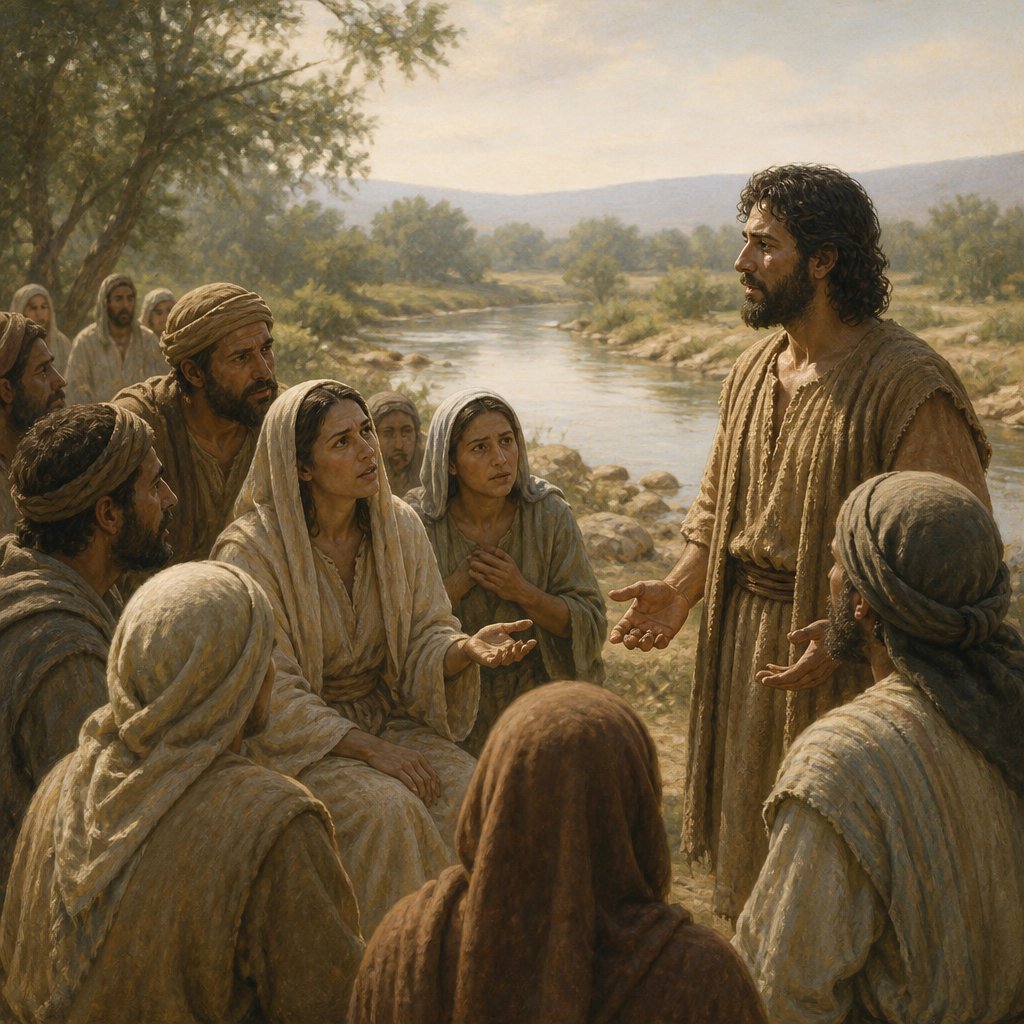
Luke 3:10 in the King James Version of the Bible reads, "And the people asked him, saying, What shall we do then?" This verse appears in the context of John the Baptist's ministry, as he preached a message of repentance and preparation for the coming of the Messiah. The people who were coming to John for baptism were seeking advice on how they should conduct their lives in the light of his message.
This verse is an expression of the people's genuine desire to respond to John the Baptist’s teaching. They asked with a spirit of humility and openness, seeking guidance for how they could align their lives with the message of repentance and preparedness for the coming of the Messiah. Their question reflects a longing for spiritual truth and a recognition of their need for moral and ethical guidance.
The context of this verse is significant for understanding its deeper meaning. John the Baptist was a prophetic figure who preached a message of repentance and announced the coming of Jesus Christ. His ministry was focused on preparing the way for the arrival of the Messiah, and he called people to turn away from their sinful ways and embrace a life of righteousness. The people who came to him were seeking to heed his message and understand how they could live in accordance with it.
The themes of repentance, spiritual preparation, and ethical living are central to the verse. The people’s question, "What shall we do then?" reflects their recognition of the need to change their ways and live in a manner that is pleasing to God. It also speaks to the universality of human nature and the timeless question of how to live a life that is just and righteous.
From a symbolic standpoint, this verse represents the universal human longing for spiritual guidance and direction. The people’s question can be seen as a reflection of the human condition, as all people seek to discern the right path for their lives. It also points to the human capacity for change and transformation, as the people are open and eager to receive instruction on how to live in a manner that aligns with God’s will.
In a broader theological context, this verse sets the stage for the central message of the New Testament – the call to repentance and the promise of redemption through the coming of Jesus Christ. John the Baptist’s ministry of repentance and preparation was a prelude to the arrival of the Messiah, who would offer the ultimate solution to the human predicament of sin and separation from God. The people’s question in this verse anticipates the transformative impact of Jesus’ ministry, as he would offer a new way of living and a path to reconciliation with God.
In conclusion, Luke 3:10 in the King James Version of the Bible encapsulates the profound longing of the human heart for spiritual guidance and direction. It also sets the stage for the central message of the New Testament – the call to repentance and the promise of redemption through the coming of Jesus Christ. The verse reflects the universal themes of repentance, spiritual preparation, and ethical living, and it symbolizes the human capacity for change and transformation. As such, it speaks to the timeless and universal longing for spiritual truth and the human quest for a life that is pleasing to God.
Have questions about Luke 3:10?
Dive deeper into this scripture with Bible Chat — an AI-powered tool for exploring God's Word through conversation. Ask questions, get context, and grow in your understanding of the Bible.
Get Our Apps


Luke 3:10 Artwork

Luke 3:10 - "And the people asked him, saying, What shall we do then?"
"And the people asked him, saying, What shall we do then?" - Luke 3:10

Luke 10:3 - "Go your ways: behold, I send you forth as lambs among wolves."

"Go your ways: behold, I send you forth as lambs among wolves." - Luke 10:3

Luke 10:5

Luke 10:5

Luke 10:5

Luke 10:18-19

Luke 10:18-19

Luke 10:18-19

Luke 10:17-19

Luke 10:18-19

Luke 10:18-19

Luke 10:18-19

Luke 10:17-19

Luke 19:10

Luke 2:10

Luke 10:27

Luke 15:10

Luke 17:10

Luke 12:10

Luke 10:18-19

Luke 19:1-10

Luke 11:9-10

Luke 19:1-10

Luke 10:10 - "But into whatsoever city ye enter, and they receive you not, go your ways out into the streets of the same, and say,"

Luke 13:10 - "And he was teaching in one of the synagogues on the sabbath."

african american luke 10:30

luke 3:1-6

Luke 3:1-6