What does Luke 2:29-32 mean?
"Lord, now lettest thou thy servant depart in peace, according to thy word: For mine eyes have seen thy salvation, Which thou hast prepared before the face of all people; A light to lighten the Gentiles, and the glory of thy people Israel." - Luke 2:29-32
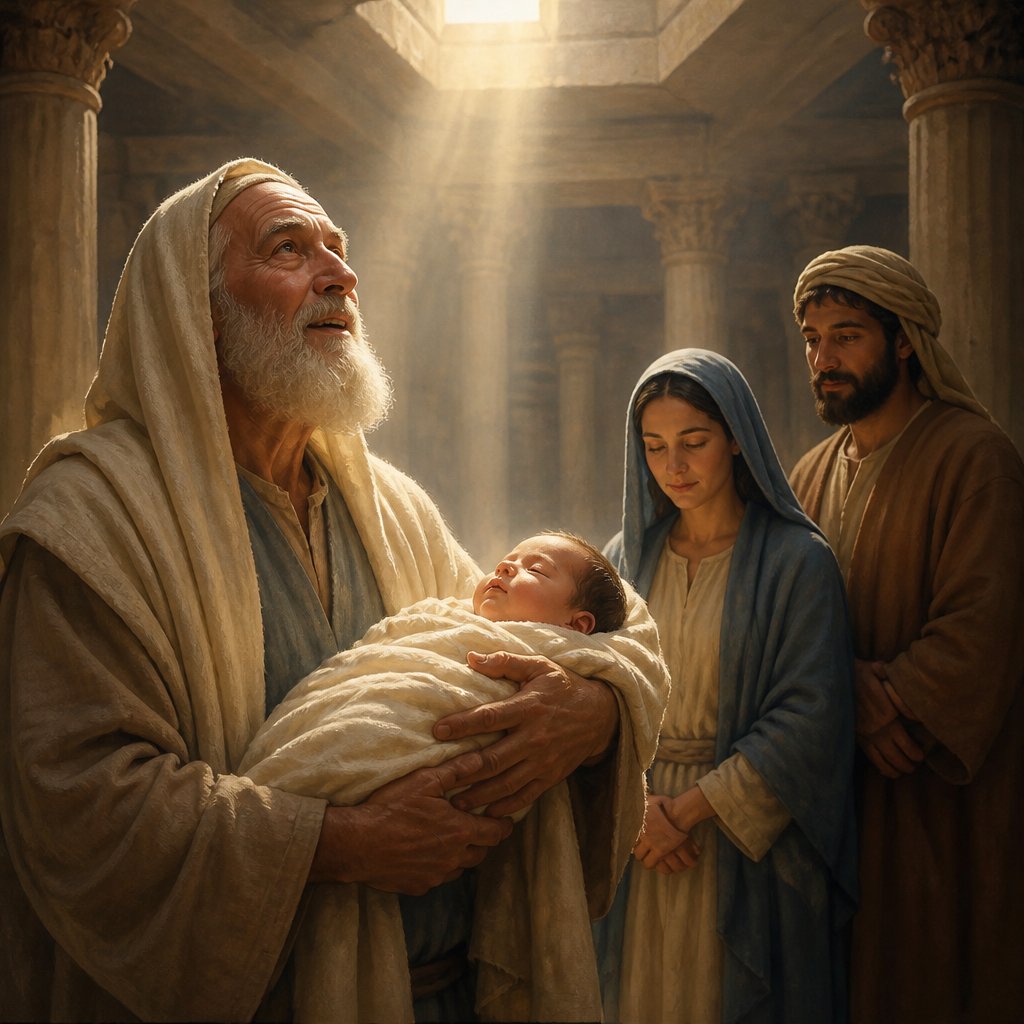
Luke 2:29-32 in the King James Version of the Bible reads, "Lord, now lettest thou thy servant depart in peace, according to thy word: For mine eyes have seen thy salvation, Which thou hast prepared before the face of all people; A light to lighten the Gentiles, and the glory of thy people Israel." This passage is part of the story of the presentation of Jesus at the temple, where Simeon, a devout and righteous man, makes a prophetic declaration about the baby Jesus.
This passage is rich with meaning and significance, and it reveals important themes that are central to the Christian faith. The first theme highlighted in this passage is the concept of salvation. Simeon's declaration that he has seen God's salvation speaks to the long-awaited fulfillment of God's promises to redeem and deliver his people. Throughout the Old Testament, the Israelites looked forward to the day when God would send a Messiah to rescue them from their sins and establish his kingdom. Simeon's recognition of Jesus as the fulfillment of this promise underscores the hope and anticipation that characterized the Jewish people's longing for a savior.
The passage also emphasizes the universal nature of God's salvation. Simeon describes Jesus as "a light to lighten the Gentiles," indicating that the message of salvation is not limited to the Jewish people but is intended for all people, regardless of their ethnicity or background. This concept of universal salvation aligns with the overarching message of the New Testament, which emphasizes the inclusivity of God's grace and the invitation for all people to come to faith in Christ.
Additionally, Simeon's proclamation highlights the intimate connection between the Old Testament and the New Testament. By acknowledging Jesus as the fulfillment of God's promises to Israel, Simeon affirms the continuity of God's redemptive plan throughout history. This continuity underscores the unity of the Bible and the cohesiveness of God's plan for humanity, with Jesus serving as the central figure who brings together the old and the new.
Symbolism plays a significant role in this passage as well. The image of light is used to convey the spiritual enlightenment and guidance that Jesus brings to the world. In the Gospel of John, Jesus refers to himself as "the light of the world," and Simeon's declaration echoes this imagery, emphasizing the transformative impact of Jesus' ministry on those who encounter him.
In terms of the historical and cultural context, it's important to note that Simeon's words come at a time of great anticipation and expectation within the Jewish community. The Roman occupation of Israel had created a climate of political and social unrest, and many people were hoping for a messianic figure who would lead them to liberation. Simeon's recognition of Jesus as the promised Messiah would have resonated deeply with those who were longing for deliverance and hope in a troubled world.
Ultimately, Luke 2:29-32 is a powerful and poignant declaration of the significance of Jesus' birth and mission. It underscores the universal scope of God's salvation, the continuity of His redemptive plan throughout history, and the transformative impact of Jesus as the light of the world. Simeon's words serve as a reminder of the profound spiritual truths that lie at the heart of the Christian faith and continue to inspire believers today.
Have questions about Luke 2:29-32?
Dive deeper into this scripture with Bible Chat — an AI-powered tool for exploring God's Word through conversation. Ask questions, get context, and grow in your understanding of the Bible.
Get Our Apps


Luke 2:29-32 Artwork

Luke 2:29-32 - "Lord, now lettest thou thy servant depart in peace, according to thy word: For mine eyes have seen thy salvation, which thou hast prepared before the face of all people; A light to lighten the Gentiles, and the glory of thy people Israel."
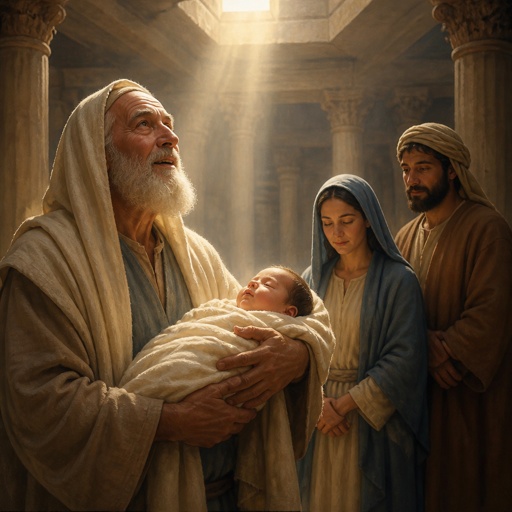
"Lord, now lettest thou thy servant depart in peace, according to thy word: For mine eyes have seen thy salvation, which thou hast prepared before the face of all people; A light to lighten the Gentiles, and the glory of thy people Israel." - Luke 2:29-32

Luke 2:29 - "Lord, now lettest thou thy servant depart in peace, according to thy word:"

Luke 2:32 - "A light to lighten the Gentiles, and the glory of thy people Israel."

2 Chronicles 32:29 - "Moreover he provided him cities, and possessions of flocks and herds in abundance: for God had given him substance very much."
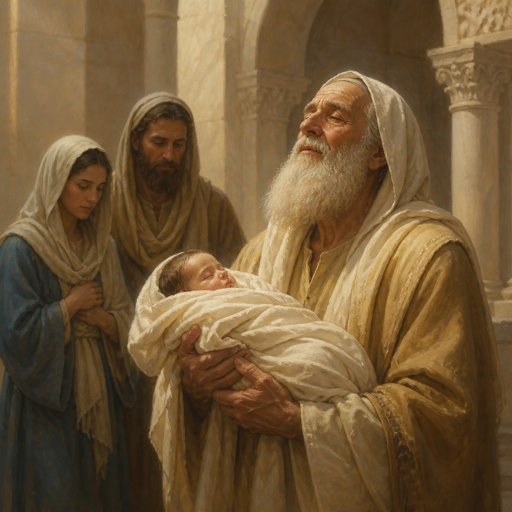
"Lord, now lettest thou thy servant depart in peace, according to thy word:" - Luke 2:29

2 Chronicles 29:32 - "And the number of the burnt offerings, which the congregation brought, was threescore and ten bullocks, an hundred rams, and two hundred lambs: all these were for a burnt offering to the LORD."
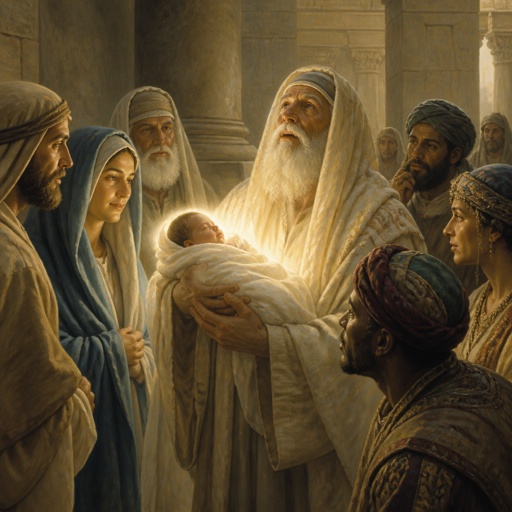
"A light to lighten the Gentiles, and the glory of thy people Israel." - Luke 2:32

Luke 1:32

Luke 1:32
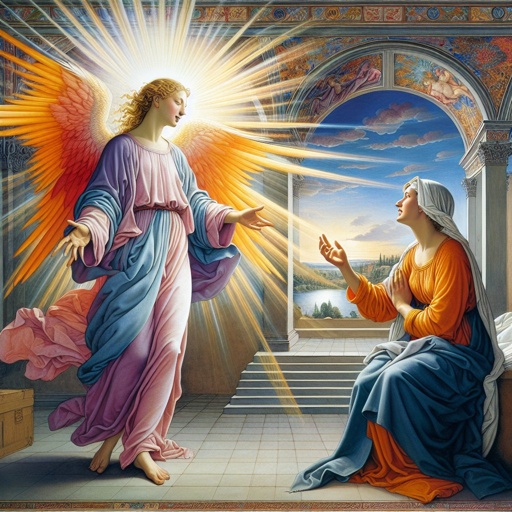
Luke 1:32

Luke 1:32

Luke 1:32

Luke 1:32

1 Kings 11:29-32

Luke 1:32

Luke 17:32 - "Remember Lot's wife."

Luke 15:11-32

Luke 17:32-37

Deuteronomy 32:29 - "O that they were wise, that they understood this, that they would consider their latter end!"

Luke 4:29

luke 1:29

Luke 2:9 - "And, lo, the angel of the Lord came upon them, and the glory of the Lord shone round about them: and they were sore afraid."

Luke 20:32 - "Last of all the woman died also."

Luke 5:32 - "I came not to call the righteous, but sinners to repentance."

luke 9:29- 30

"And, lo, the angel of the Lord came upon them, and the glory of the Lord shone round about them: and they were sore afraid." - Luke 2:9

Luke 22:31-32 - "Luke 22:31-32: And the Lord said, Simon, Simon, behold, Satan hath desired to have you, that he may sift you as wheat: But I have prayed for thee, that thy faith fail not: and when thou art converted, strengthen thy brethren."

Luke 4:32 - "And they were astonished at his doctrine: for his word was with power."

Numbers 29:32 - "¶ And on the seventh day seven bullocks, two rams, and fourteen lambs of the first year without blemish:"